Robanov Kot
"We found the valley that Logarska Dolina used to be, before Logarska Dolina found its parking lot."
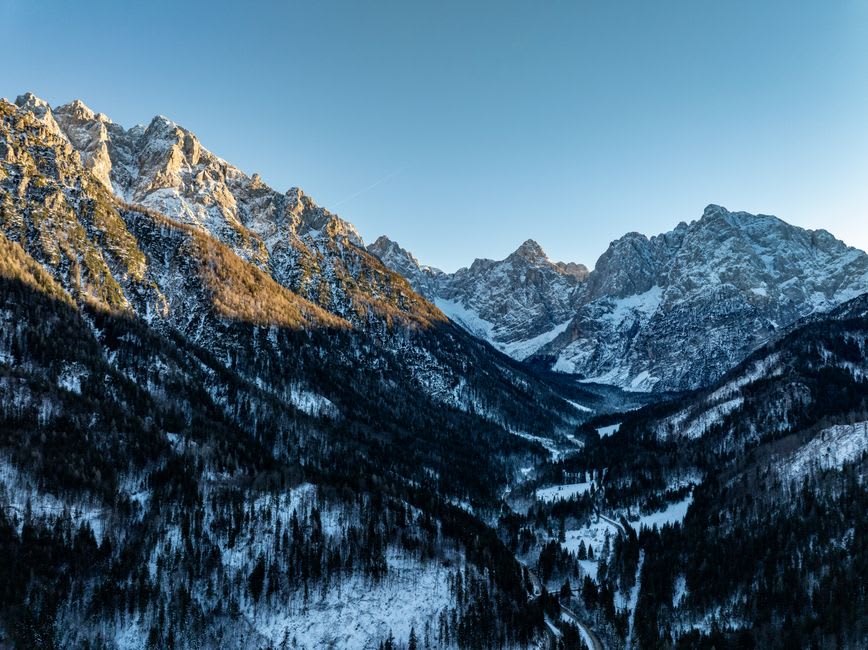
A protected side valley of the Savinja Alps, narrower and quieter than its famous neighbor Logarska Dolina, where a handful of centuries-old farms sit beneath a wall of limestone peaks and almost nobody comes.
I’d mentioned Robanov Kot in passing after we’d already spent a day in Logarska Dolina — a side valley a few kilometers back down the road, smaller, rougher access, supposedly with even fewer visitors. Lia looked up from her book and said we were going. We went the next morning, before breakfast, because she didn’t want to risk me changing my mind about the road.
The Road That Changes Your Mind
The turn-off from the main Solčava road onto the Robanov Kot track is easy to miss, a narrow gravel lane that climbs steeply enough that I dropped into second gear and stayed there. It’s the kind of road that makes you understand, immediately and physically, why this valley has stayed this quiet while Logarska Dolina a few kilometers away built a visitor center and an entrance gate. There’s no gate here. No fee booth. Just the road, narrowing, and then the valley opening up ahead like it had been waiting.
A Valley Still Being Farmed
Robanov Kot is protected as a natural monument, but unlike a lot of protected landscapes, it hasn’t been emptied of the people who made it worth protecting. The handful of farms scattered along the valley floor are still working operations — hay drying on wooden kozolec racks, cattle in the high pastures, milk and cheese sold at farmhouse doors on the honor system. One farmhouse near the valley’s entrance had a hand-painted sign advertising cheese and a small unattended fridge on the porch with a cash box beside it. We bought two wedges and left more money than we needed to, which felt like the correct response to being trusted like that.
Walking Toward Korošica
The valley narrows toward its head into a proper mountain trail leading up toward the Korošica mountain hut, set in a high basin beneath Ojstrica and the ring of Savinja Alps peaks. We didn’t go all the way — that’s a serious full-day hike with real elevation gain — but we walked an hour or so up the valley floor, past the last farm, into beech forest and then open scree, the peaks closing in tighter with every switchback. The silence up there is different from Logarska’s. There’s no road noise at all, no other cars, occasionally just the bell of a cow somewhere out of sight.
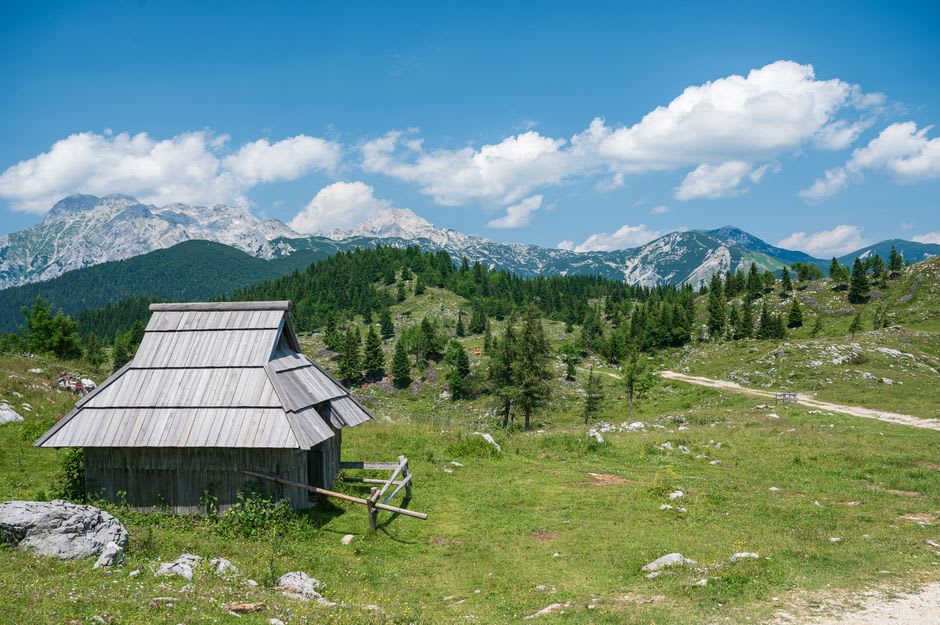
When to go: June through September for the best trail conditions toward Korošica. Visit in the shoulder months if you want the valley entirely to yourself — we saw exactly one other car in three hours, in early October, and that felt about right for a place this good at not being found.
Keep exploring
More from Slovenia
 slovenia
 Rogaška Slatina
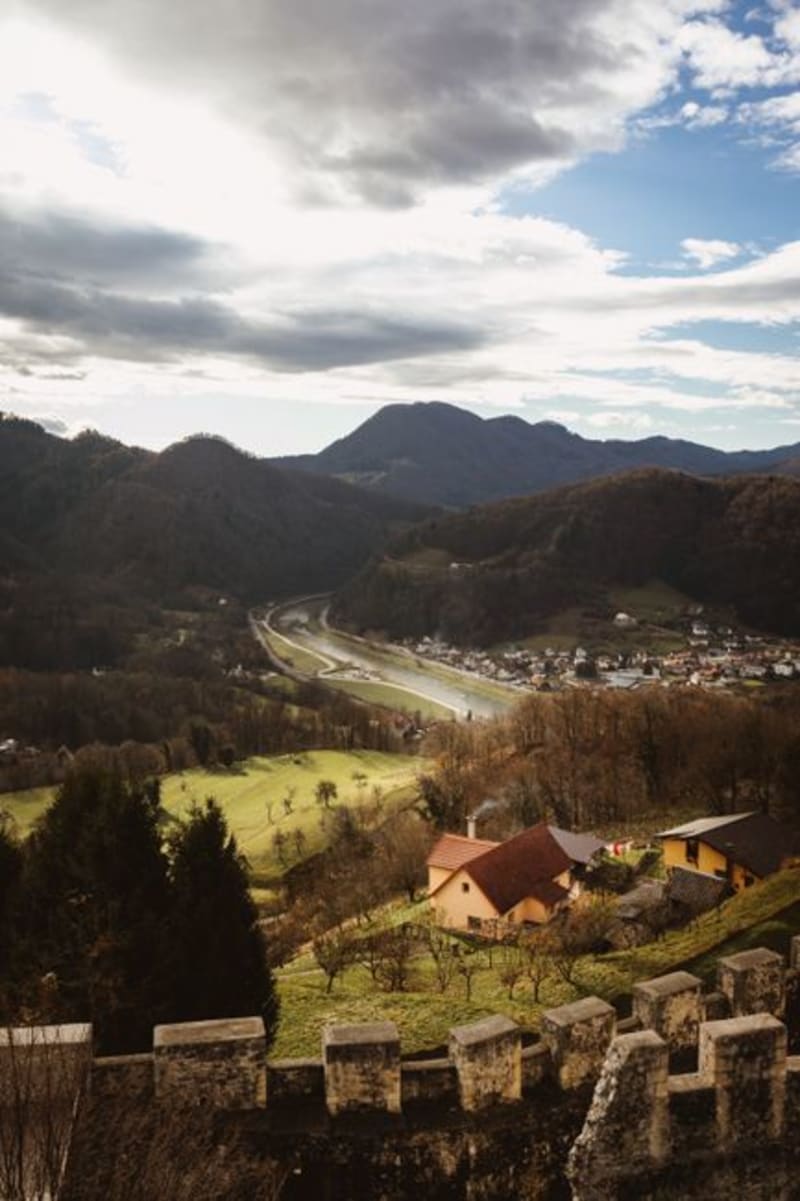
A belle-époque spa town built around mineral water so strong you drink it in small measured glasses, wrapped in crystal-cutting workshops and faded imperial grandeur.
Explore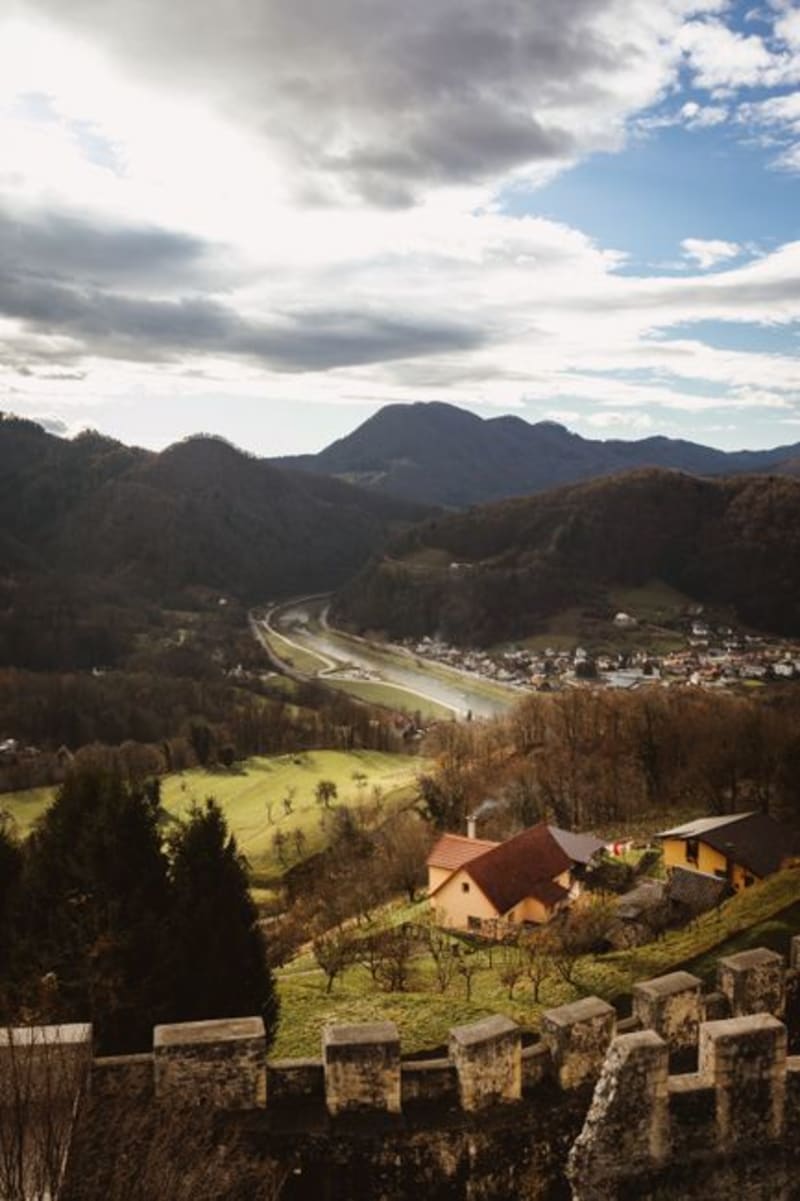 slovenia
 Rogatec
A tiny border town where an open-air museum of thatched farmhouses preserves a version of rural Štajerska that's almost entirely vanished elsewhere.
Explore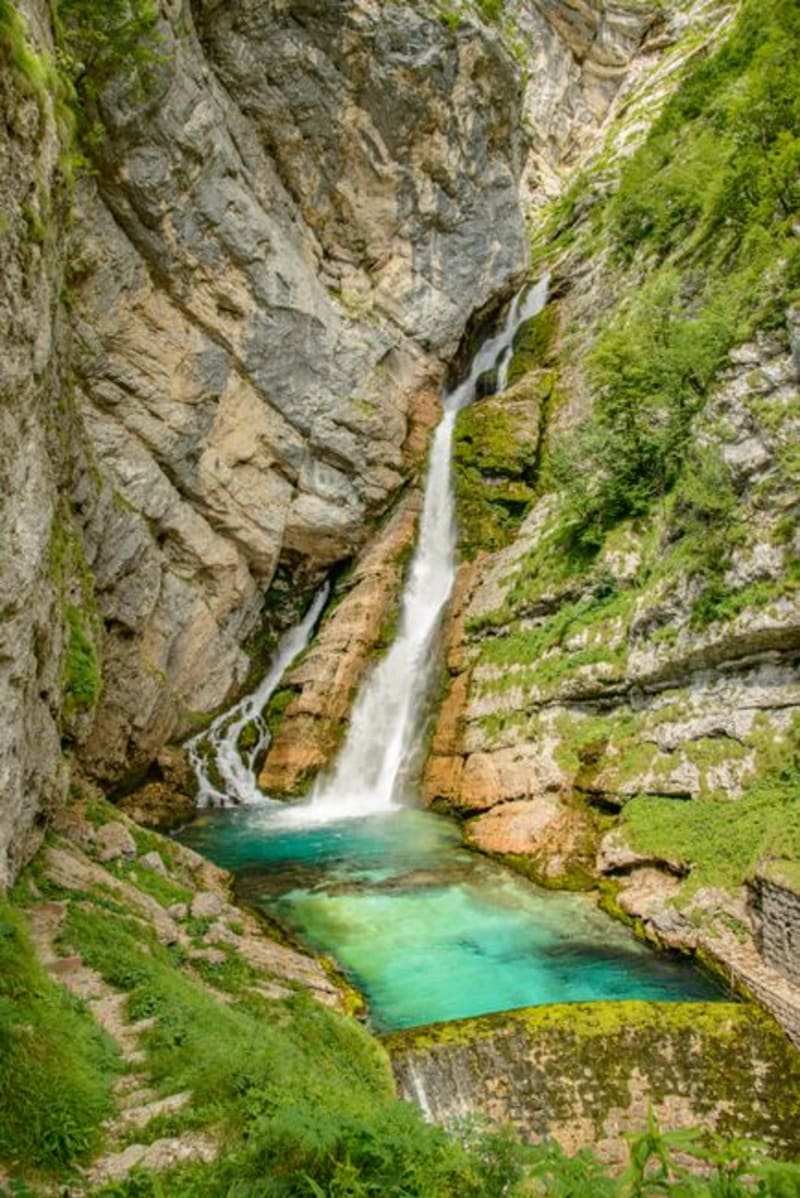 slovenia
 Savica Waterfall
A two-tiered waterfall dropping into a cave-carved amphitheater at the source of the Sava Bohinjka, mythologized in Slovenia's national epic and every bit as dramatic in person.
Explore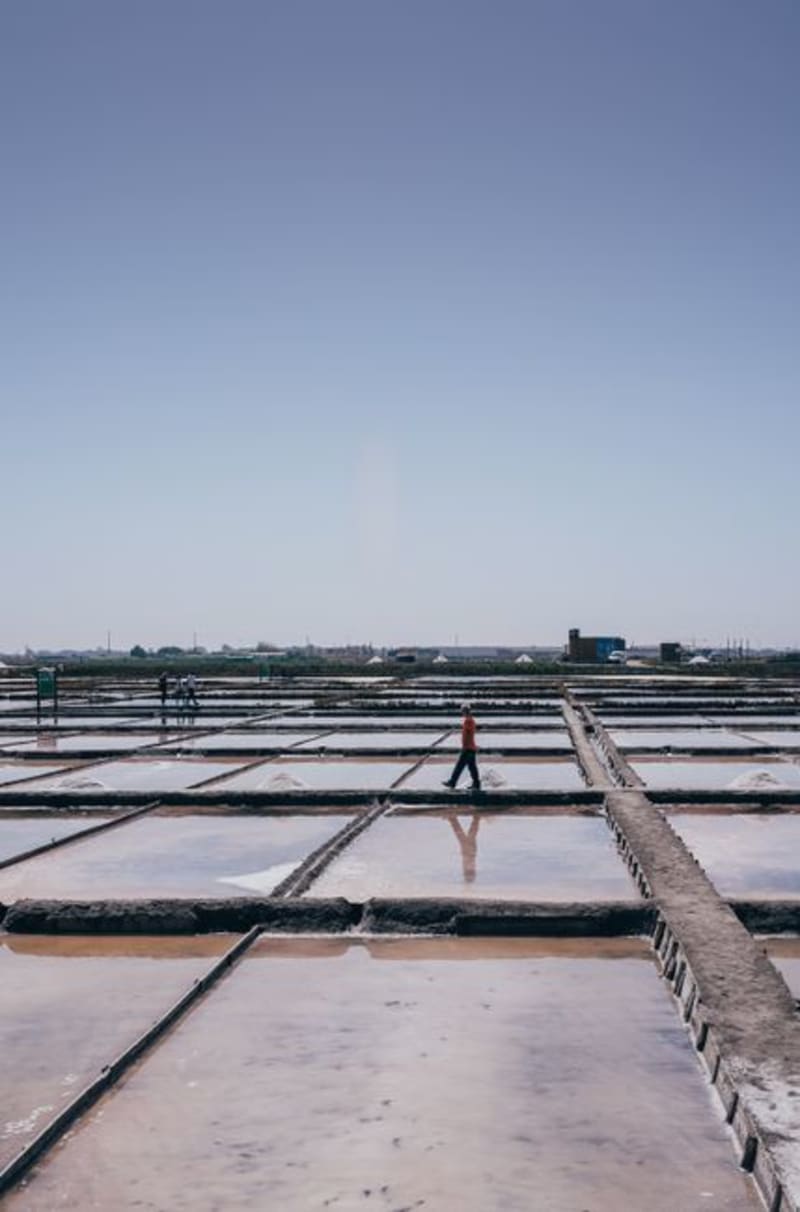 slovenia
 Sečovlje Salt Pans
A working salt landscape at Slovenia's southern tip where the harvest still happens by hand exactly as it did seven hundred years ago, and flamingos show up as if summoned.
Explore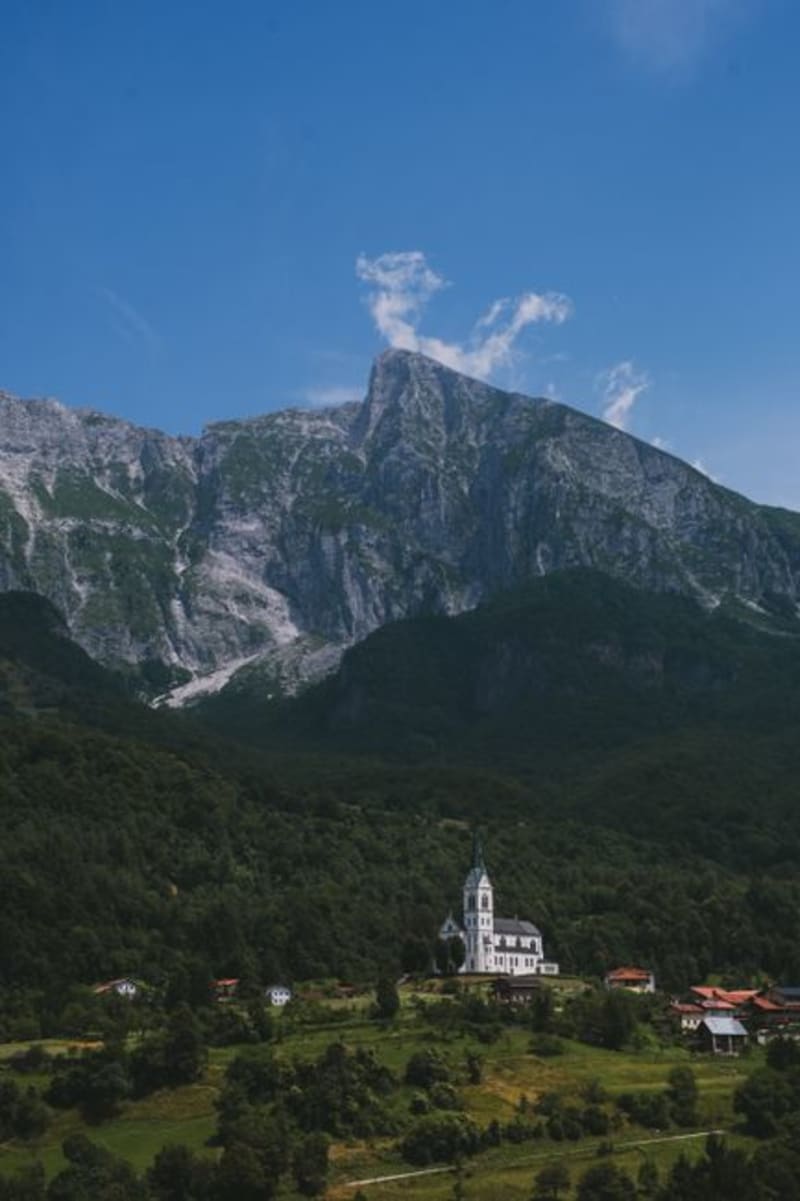 slovenia
 Šiška
Ljubljana's unglamorous northern district turned creative stronghold, anchored by a converted cinema that hosts some of the best live music in the Balkans.
Explore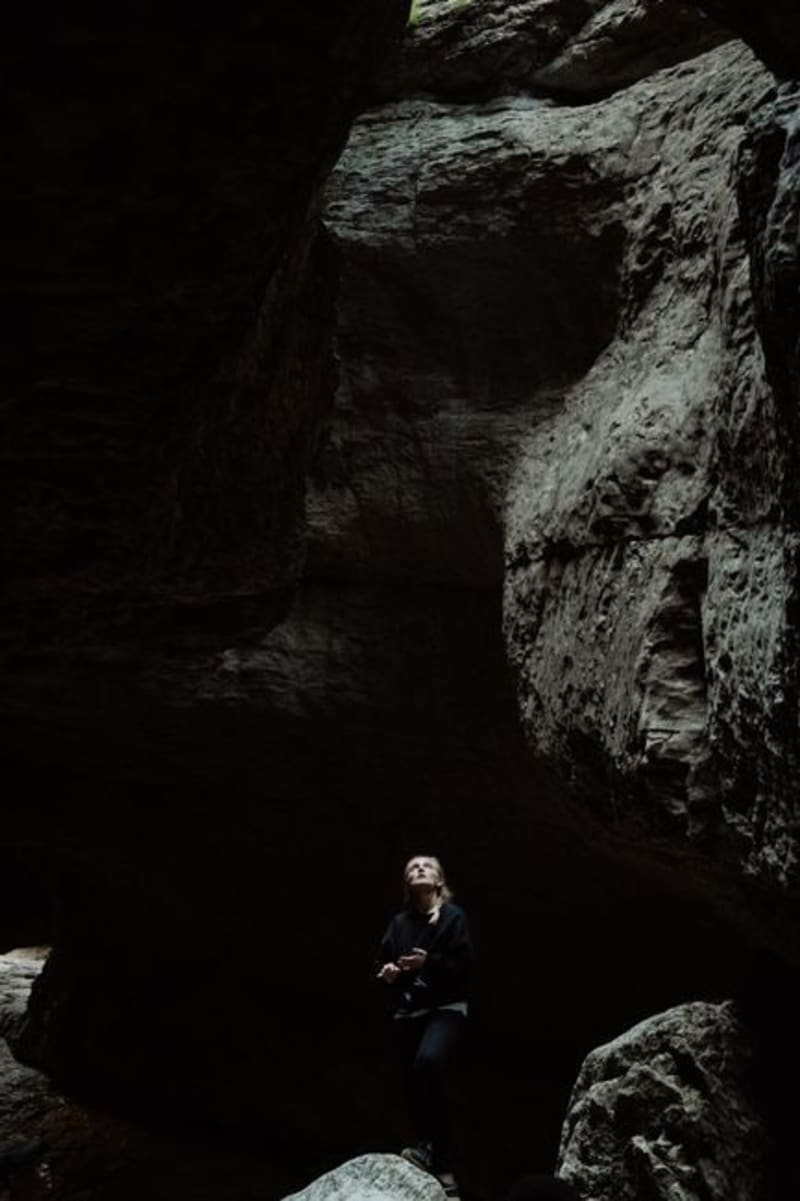 slovenia
 Škocjan Caves
A UNESCO-listed canyon of a cave so vast that the footbridge across its underground gorge feels like crossing into a different planet — the Reka River disappears here and doesn't resurface for thirty kilometers.
Explore