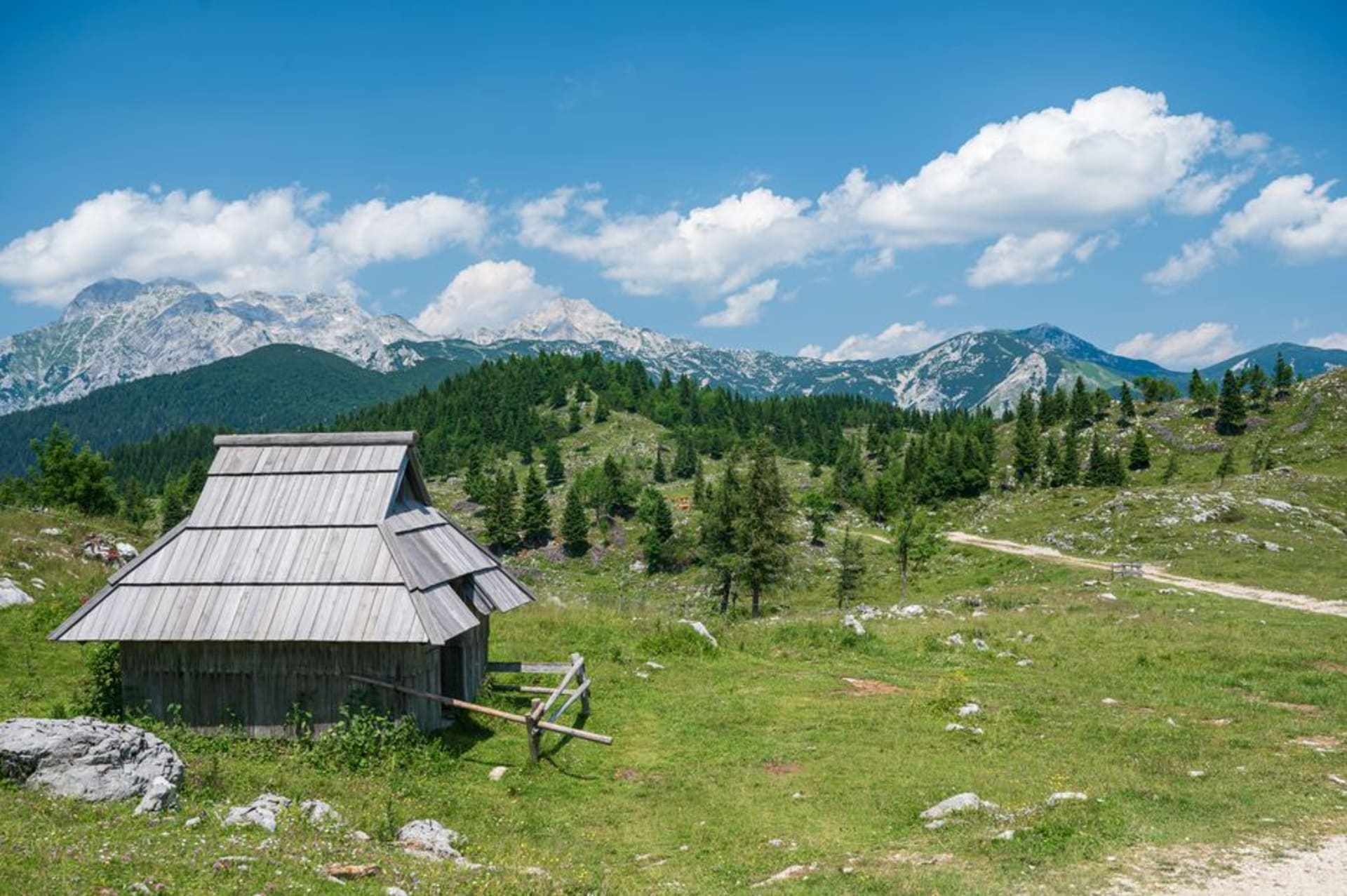
Pokljuka Plateau
"Everyone drives around Pokljuka to get somewhere else. Almost no one stops."
A high limestone plateau of pine forest and quiet mountain lakes between Bled and Bohinj, better known to biathlon fans than to most travelers passing through the valley below.
Pokljuka came up almost by accident. We’d rented a car to get between Bled and Bohinj rather than waiting on the infrequent bus, and the road climbs up through a plateau of pine forest that neither of our guidebooks mentioned in any detail. Curiosity got the better of us on the second crossing, and we pulled off at a marked trailhead just to see what was there.
A Forest That Feels Different
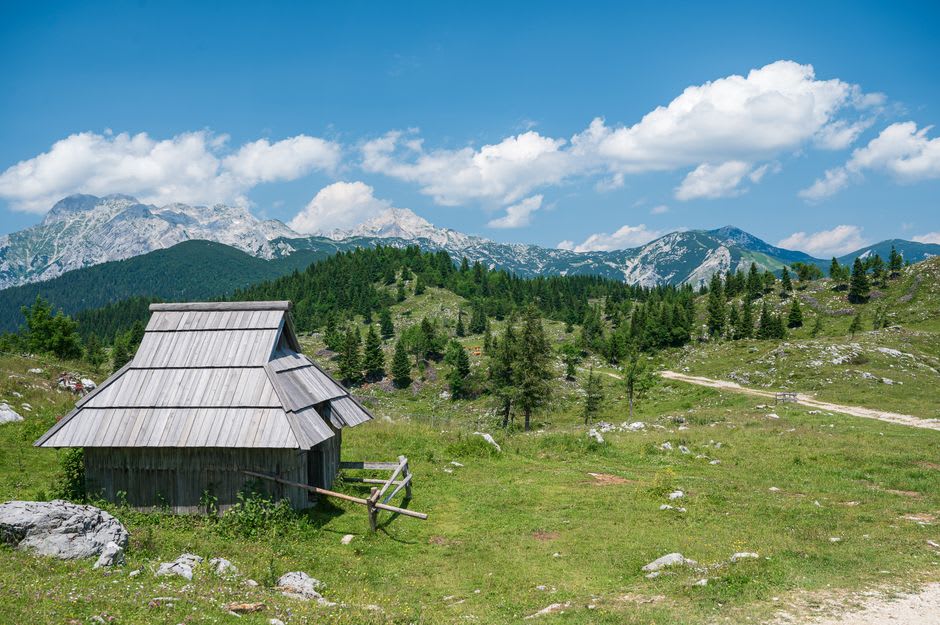
Pokljuka sits at roughly 1,200 to 1,300 meters, high enough that the vegetation shifts noticeably from the valley floor — dense spruce and pine instead of the deciduous forest around Bled, with a hushed, resinous quality to the air. The plateau is karst terrain, riddled underneath with sinkholes and cave systems, and the forest floor has a slightly springy, uneven texture from centuries of that geology working beneath it.
The Biathlon Connection
For a certain kind of winter sports fan, Pokljuka needs no introduction — it hosts a Biathlon World Cup stop most seasons, and the stadium and trail network near Rudno Polje are serious enough to have staged World Championships. In summer, the same trails become part of an extensive cross-country running and mountain biking network, nearly empty compared to what I imagine it looks like mid-competition. We passed exactly two other hikers in three hours.
Lake Blejsko Versus a Forest Pool
The plateau holds a scattering of small lakes and pools, nothing on the scale of Bled or Bohinj, but there’s a particular pleasure in finding a still, dark forest lake with genuinely no one else around after days of navigating crowds at the famous ones. We sat by one for the better part of an hour, ate the last of our bread and cheese from that morning’s market in Bohinj, and didn’t see another person the entire time.
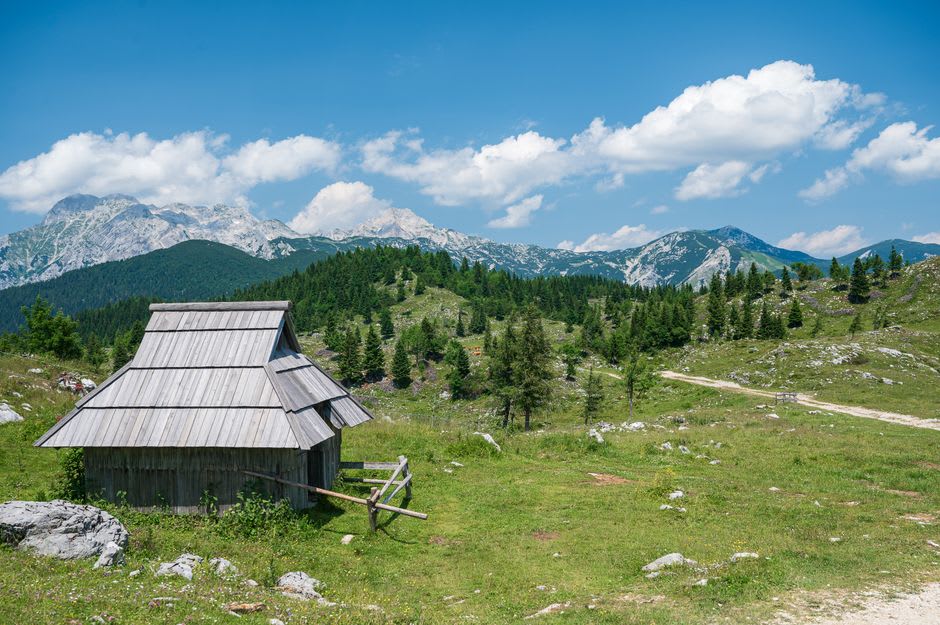
When to go: June through September for hiking and the forest at its greenest; December through February if you have any interest in catching a Biathlon World Cup event at the Rudno Polje stadium.
Keep exploring
More from Slovenia
 slovenia
 Portorož
Slovenia's only proper seaside resort town — a strip of belle-époque hotels, casinos, and a genuinely excellent thalassotherapy tradition, ten minutes and a world away from Piran.
Explore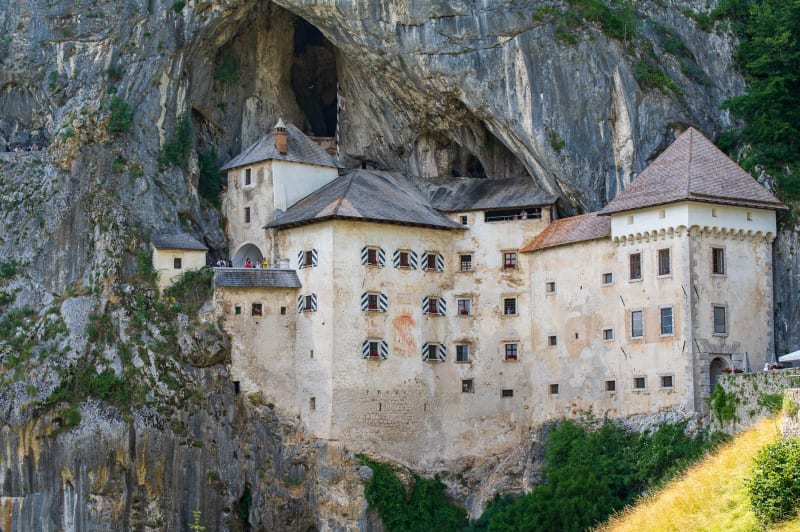 slovenia
 Postojna Cave
Europe's most elaborate cave system pulls you underground by electric train into a world of cathedral-scale caverns, otherworldly formations, and a blind, pale amphibian that has lived in the dark for so long it forgot what eyes were for.
Explore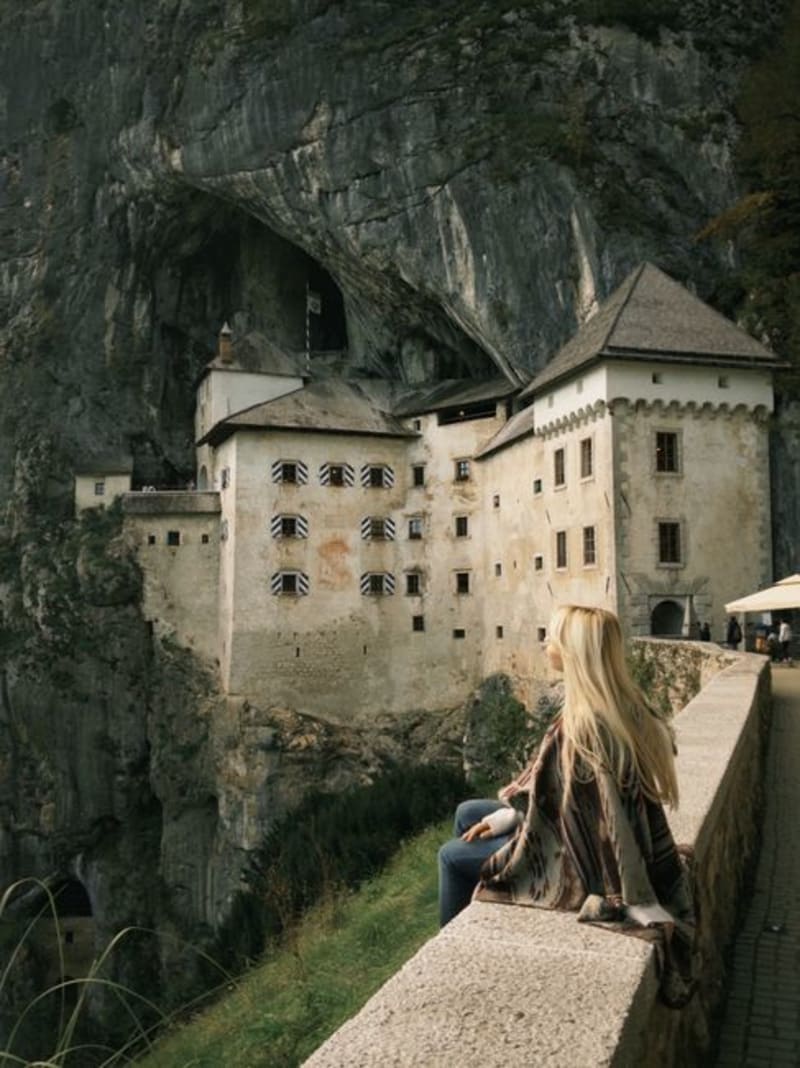 slovenia
 Predjama Castle
A Renaissance castle built directly into the mouth of a cave halfway up a 123-meter cliff, home to a robber knight who held off a Habsburg army for over a year using tunnels no besieger ever found.
Explore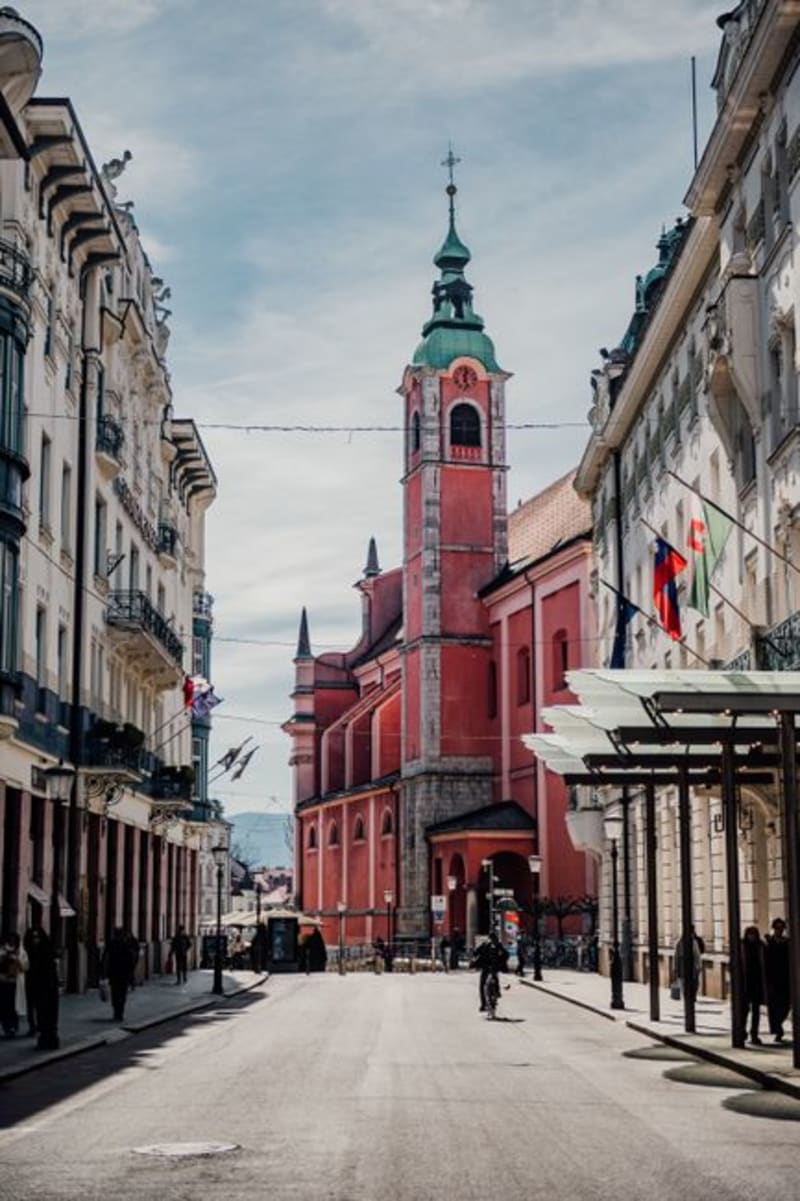 slovenia
 Prešeren Square
Ljubljana's beating central plaza, where a pink Franciscan church faces down a poet's statue and every street in the old town seems to begin.
Explore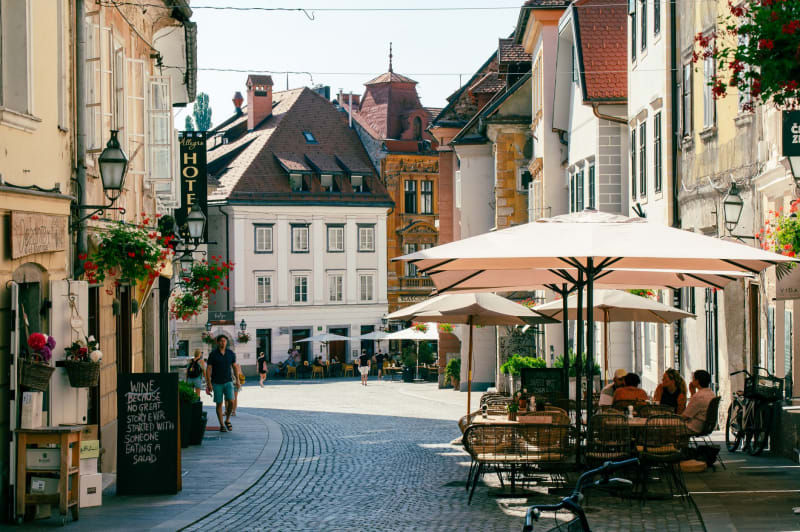 slovenia
 Ptuj
Slovenia's oldest town sits on the Drava River beneath a castle hill, carrying two thousand years of Roman, medieval, and Styrian wine culture with the quiet confidence of somewhere that has never needed to advertise itself.
Explore slovenia
 Ptujska Gora
A pilgrimage church on a Haloze hilltop with 365 carved faces looking down from its ceiling, and a view over the vineyards that stops conversation.
Explore