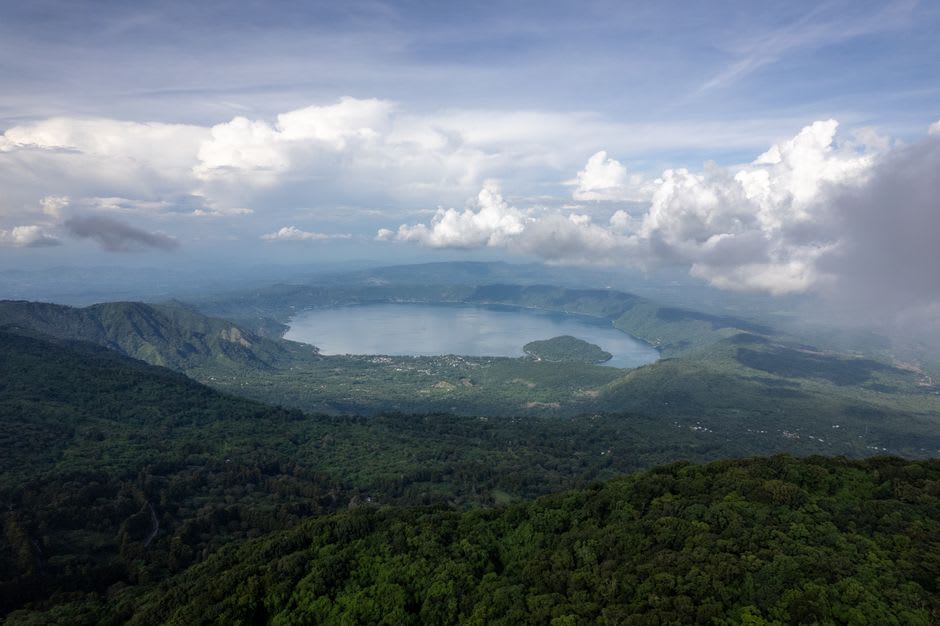
The volcanic crater whose six-year eruption reshaped northern Savai'i a century ago, now a silent, forested pit you look down into rather than climb.
I didn’t fully register how significant Matavanu was until a guide in Safotu explained, almost casually, that this crater had erupted more or less continuously from 1905 to 1911, sending lava flows all the way to the coast and burying villages under the black rock that now forms the Saleaula Lava Fields I’d already walked over on the other side of the island. Standing at the rim years later, looking down into a crater now thick with ferns and small trees growing directly out of the old cone, it was hard to reconcile the silence of the place with a disaster that ran for six years and reshaped the entire northern coastline.
The walk up from the village of Safotu is steady rather than steep, through plantation land and then into denser bush as the trail climbs toward the crater rim, with local guides available to lead the way and explain which sections of forest are old growth and which have reclaimed the lava since. What struck me most was the crater’s depth and how completely nature has already reasserted itself — birds calling from inside the pit, vines working their way down the inner walls, the whole thing looking more like an ancient sinkhole than a live geological feature that was still active within living cultural memory.
There’s a modest village fee for the walk, paid to Safotu, and the guide I hired spent as much time talking about his grandmother’s memories of the eruption — ash falling for months, villages relocated, land redrawn — as he did about the geology, which turned what could have been a straightforward nature walk into something closer to an oral history lesson delivered on a forest trail.
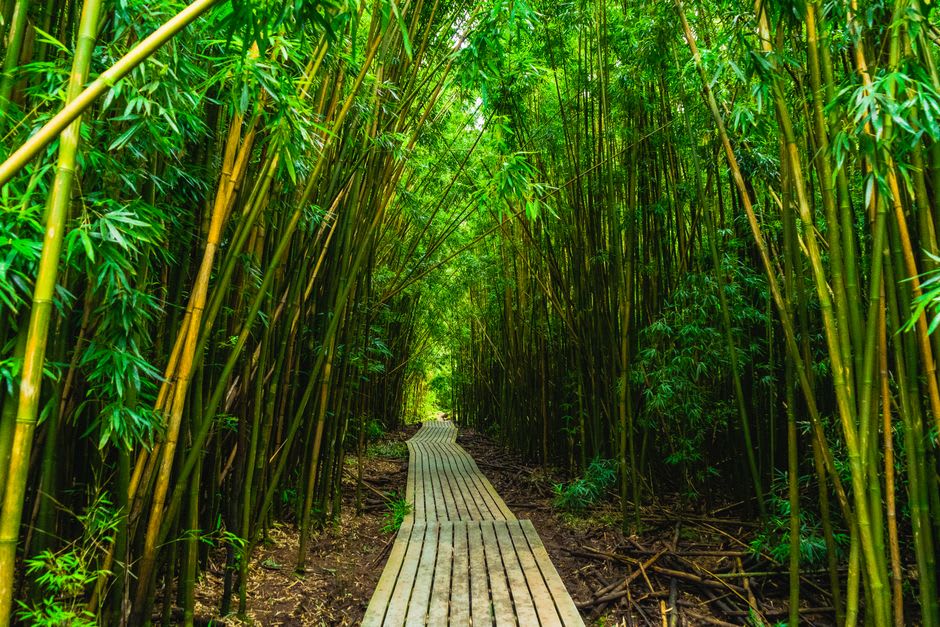
When to go: Go in the dry season for a firmer trail underfoot, and start the walk in the morning to avoid the worst of the midday heat on the exposed plantation sections. Hire a village guide in Safotu rather than attempting the route alone — the paths through the bush aren’t always obvious.
Keep exploring
More from Samoa
 samoa
samoa Mulinuu Peninsula
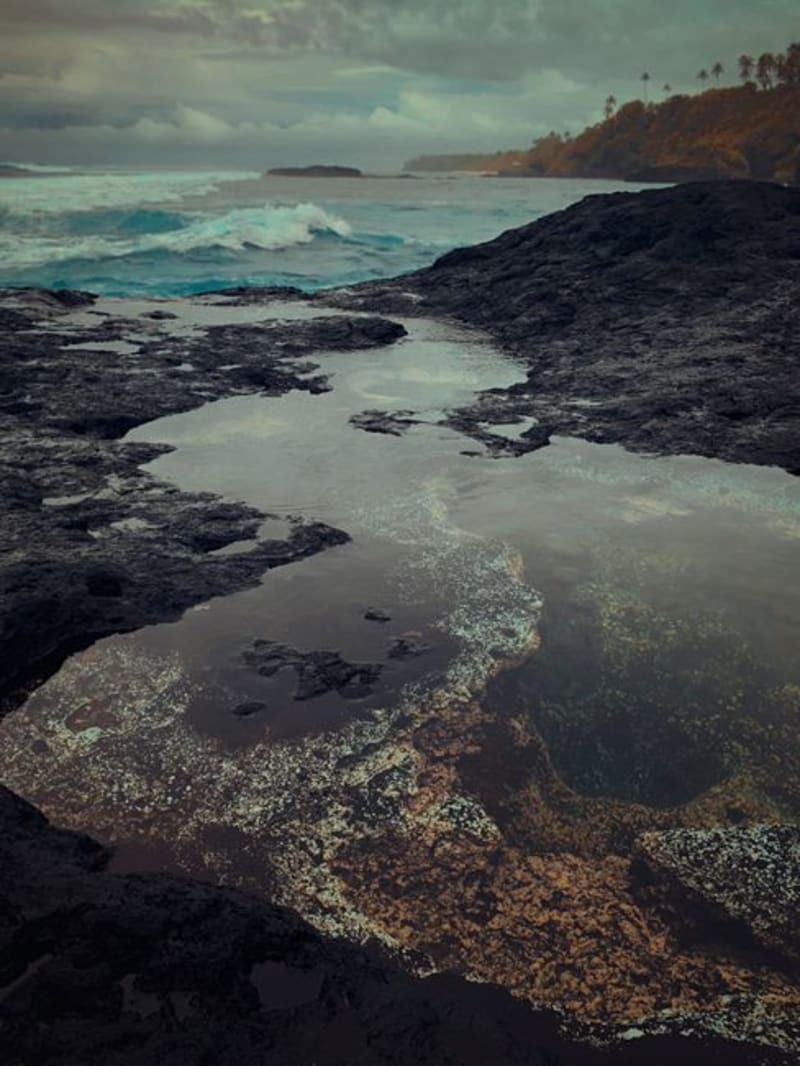
The low, wind-scoured spit of land at Apia's western edge where Samoa's parliament, its independence memorial, and centuries of political history sit within a short walk of each other.
Explore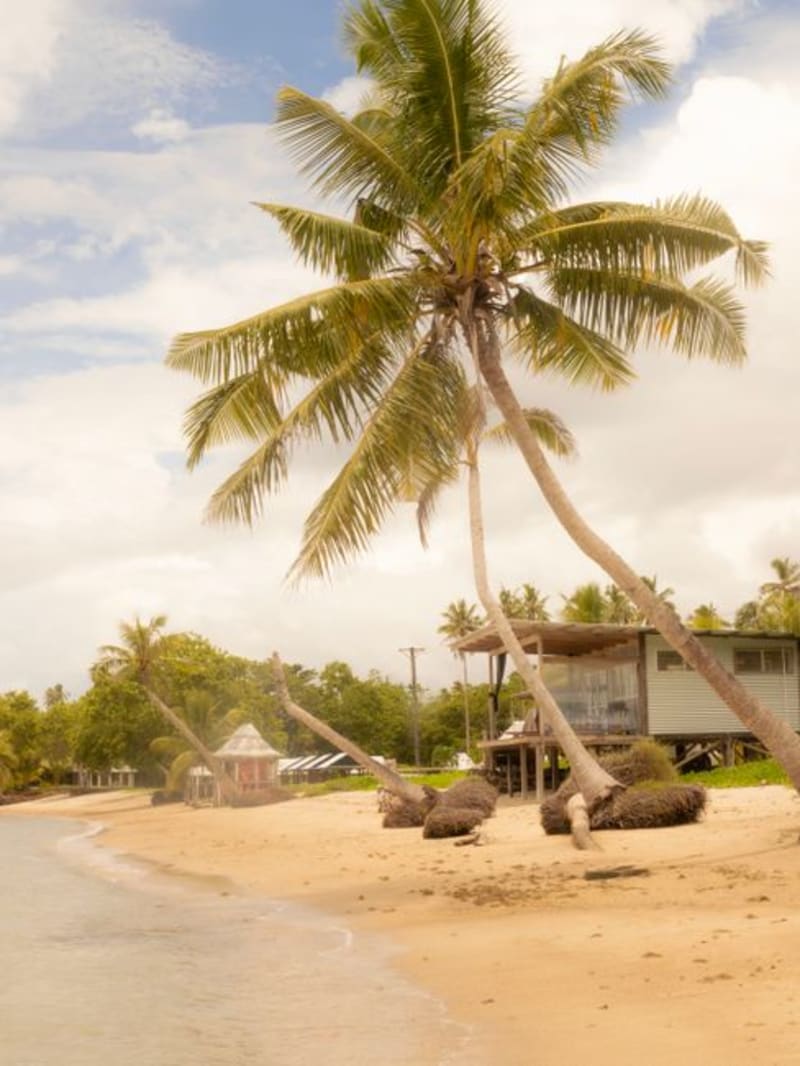 samoa
samoa Namua Island
A tiny, uninhabited-feeling islet off Upolu's Aleipata coast where a twenty-minute boat ride buys you an entire day of doing absolutely nothing.
Explore samoa
samoa Palolo Deep Marine Reserve
A sudden drop-off into a coral-walled blue hole just a swim away from Apia's waterfront, proof you don't need a boat to find real reef in Samoa.
Explore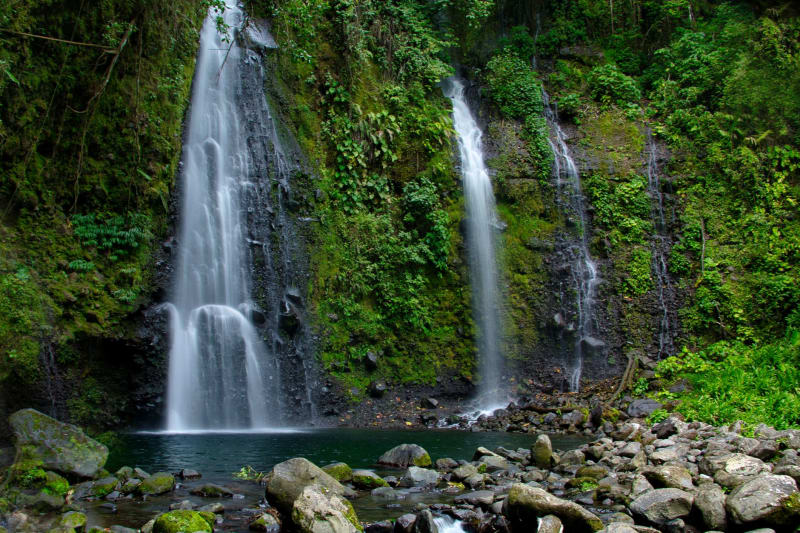 samoa
samoa Papapapaitai Falls
Samoa's tallest waterfall plunges 100 meters into a misty gorge in Upolu's central highlands — visible from the road and somehow still a secret.
Explore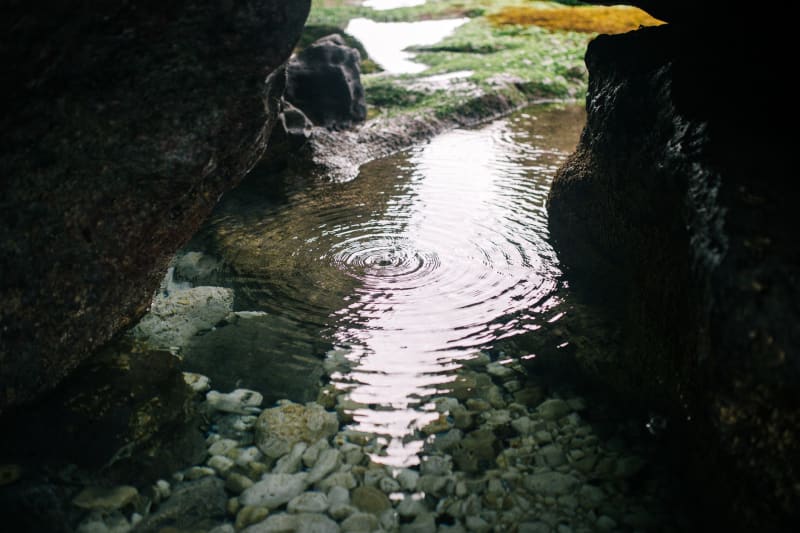 samoa
samoa Piula Cave Pool
A freshwater spring-fed cave beneath a Methodist church on Upolu's north coast — one of those places that shouldn't exist and very much does.
Explore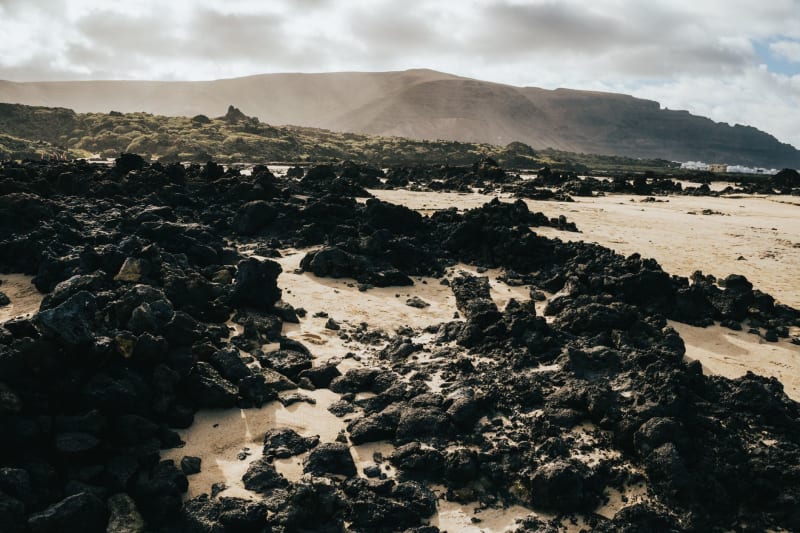 samoa
samoa Saleaula Lava Fields
A 1905 volcanic eruption buried a church and village on Savai'i, and the ruins still emerge from the hardened lava like bones through skin.
Explore