
Fort Charlotte
"The guns face the hills, not the sea. That tells you everything about who the British actually feared here."
A crumbling 1806 British fort above Kingstown whose cannons point inland, a small design detail that tells you exactly who the colonizers were actually afraid of.
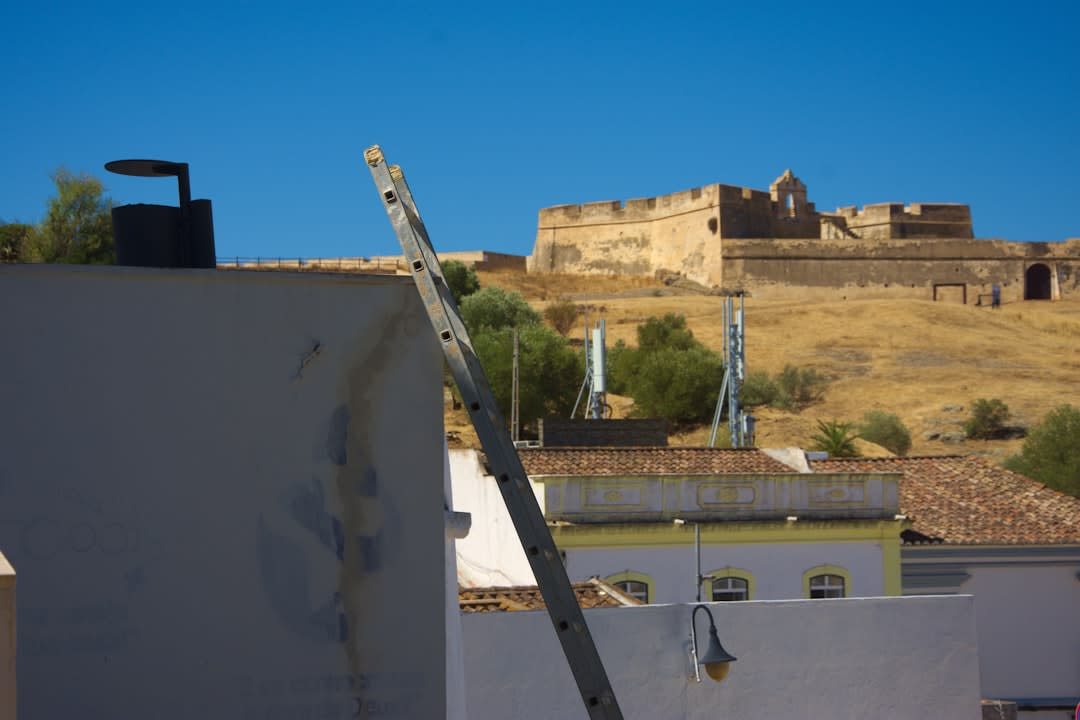
I hired a taxi to take me up to Fort Charlotte mostly because I’d read a single sentence about it that I couldn’t stop thinking about: the fort’s cannons, unusually, are pointed inland rather than out to sea. Most Caribbean forts of this era were built to repel foreign navies. This one, six hundred feet above Kingstown on a windswept ridge, was built in 1806 to watch for an uprising from the Garifuna and Kalinago population the British had spent a decade trying to subdue. The geography of the fort is basically a confession.
The views alone justify the climb — on a clear day you can see south past Kingstown’s rooftops to the harbor and out toward the silhouettes of Bequia and the northern Grenadines, and north along Saint Vincent’s green ridgeline toward La Soufrière’s cloud-wrapped summit. The fort itself is mostly ruin now: grass-grown ramparts, a scatter of rusted cannons still aimed out over the valley, a powder magazine you can walk through, and a small museum housed in what used to be the barracks.
That museum is the real reason to come. A series of murals inside, painted decades ago, depict the story of the Garifuna people — their resistance to British rule, their eventual defeat in 1796, and their mass deportation to Roatán off the coast of Honduras, an event that scattered a culture across the Caribbean and Central America and one that most standard histories of the island barely mention. Standing in a fort built explicitly to prevent their return, looking at paintings that tell their story, produces a strange kind of vertigo. It’s not a comfortable visit. It shouldn’t be.
I lingered longer than I expected, partly for the breeze — it’s noticeably cooler up here than in Kingstown’s close, humid streets — and partly because the caretaker, an older Vincentian man who’d clearly given this tour more times than he could count, kept adding details that weren’t on any placard. That’s usually where the real history lives anyway.
When to go: Late afternoon, an hour or two before sunset, gives you the clearest light for photographs and the coolest air for walking the ramparts. The fort is a short taxi ride from central Kingstown and easily combined with a morning at the Botanical Gardens.