A hilltop ruin above Marigot where cannons still guard a view of the bay, and the past feels close enough to touch.
Lia and I almost skipped Fort Louis. We’d come to Marigot for the market, for the fish grilled right there on the waterfront, and the fort was just a shape on the hill we kept noticing between bites. But on our last morning, before the heat set in, we walked up Rue de la Republique and followed the path as it climbed past the last rooftops. It’s a short walk, maybe fifteen minutes, but steep enough that I was glad we’d gone early. By the time we reached the top, the town below was still waking up, and we had the ramparts almost entirely to ourselves.
What struck me first was how unguarded it all felt. No ticket booth, no rope barriers, just the stones themselves, worn but standing, exactly as they’ve stood since the French started building here in 1767. The fort was raised to protect Marigot’s warehouses from raids by rival colonial powers, and you can still feel that logic in the way it sits — high enough to see everything, close enough to react fast. The cannons are still lined up along the walls, pointed out toward the water like they’re waiting for a threat that stopped coming a long time ago.
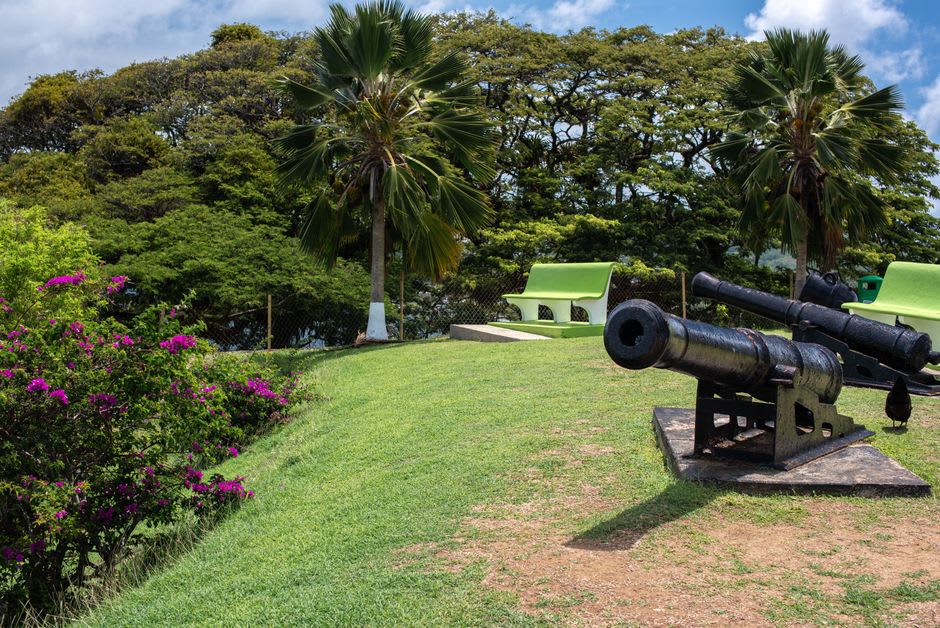
We sat on the wall for a while, not saying much. From up there, Marigot Bay opens out in front of you, and on a clear morning you can pick out the low shape of Anguilla sitting on the horizon. I remember thinking about how many people must have stood in that exact spot scanning for ships, and how different the view must have looked before the marina and the ferry terminal. The fort took a beating from hurricanes over the centuries — it went through restoration work in the 1990s after storm damage — and it’s still the only real trace of that colonial defensive line left on this side of the island. Everything else from that era is gone.
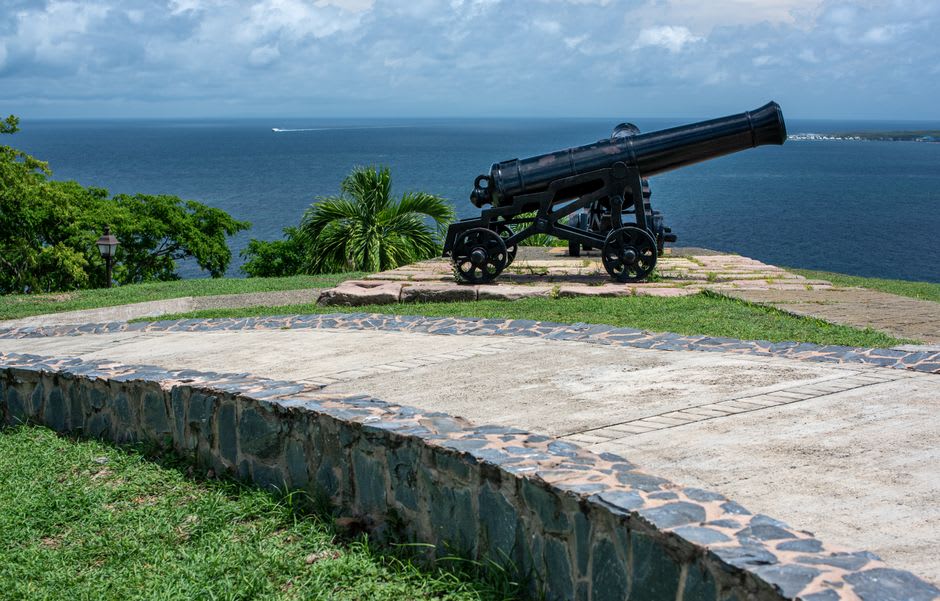
There’s nothing curated about the experience, and that’s exactly what made it stick with me. No plaques telling you where to stand, no staff, just wind, old stone, and a view that hasn’t really changed shape in two hundred and fifty years. We walked back down into Marigot for coffee, already talking about coming back before sunset next time to see the light do something different over the bay.
When to go: Go early, before the sun turns the climb into a sweat — and any month outside hurricane season, June through November, when the storms that once battered these walls are less of a concern.
Keep exploring
More from Saint Maarten
 saint-maarten
 Friar's Bay
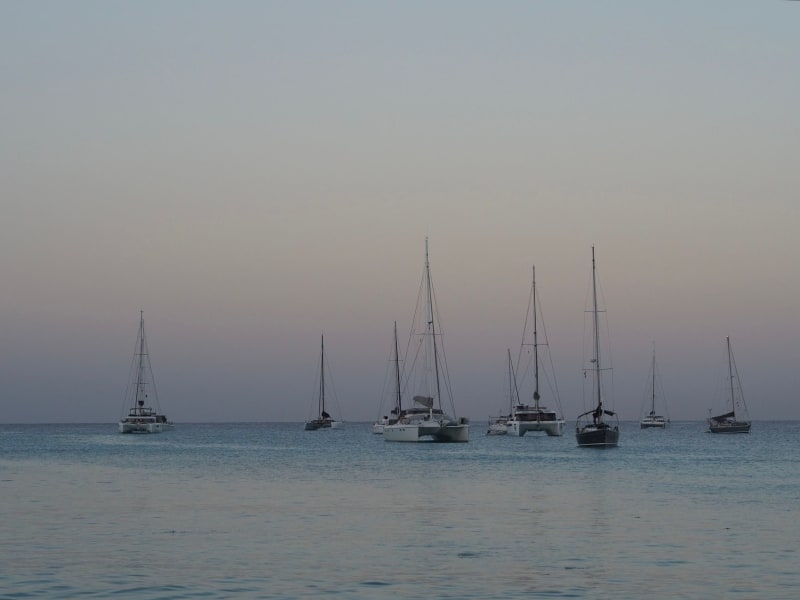
The quiet bay that locals keep to themselves, where the rum punches are strong and the afternoon light turns everything the colour of old honey.
Explore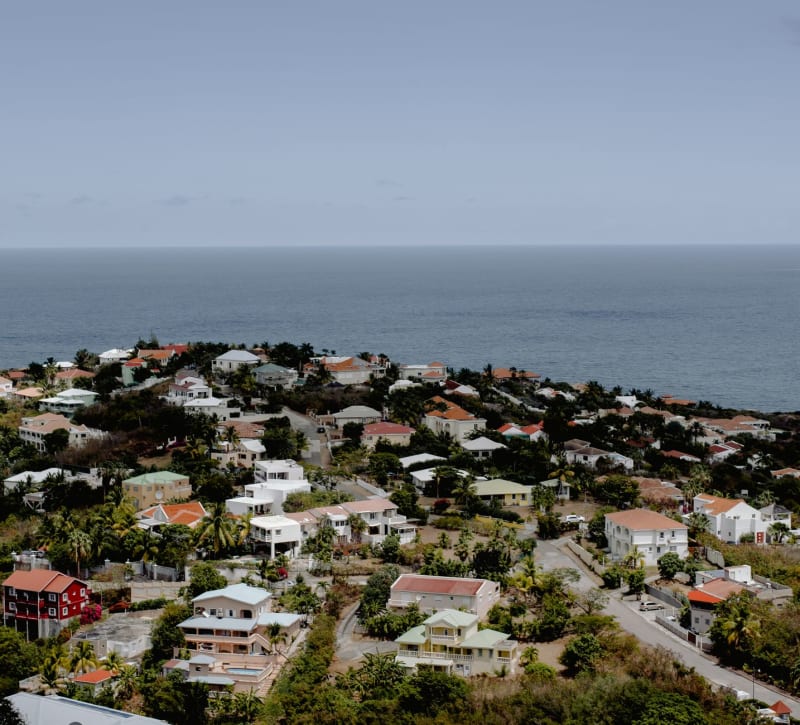 saint-maarten
 Grand Case
A single road that somehow became the most honest and generous food street in the entire Caribbean.
Explore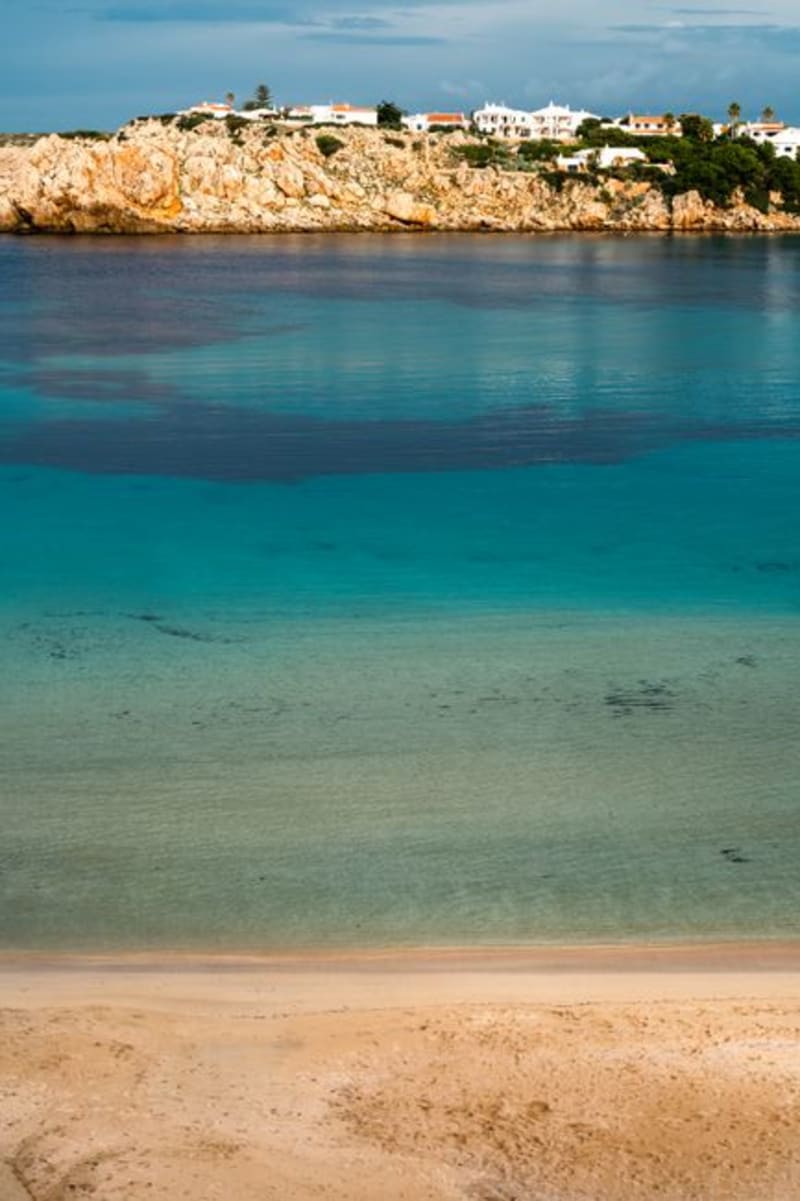 saint-maarten
 Ile Tintamarre
A flat, uninhabited reserve island off Orient Bay, reached only by boat, where turtles graze seagrass and old airstrip ruins sit quiet in the scrub.
Explore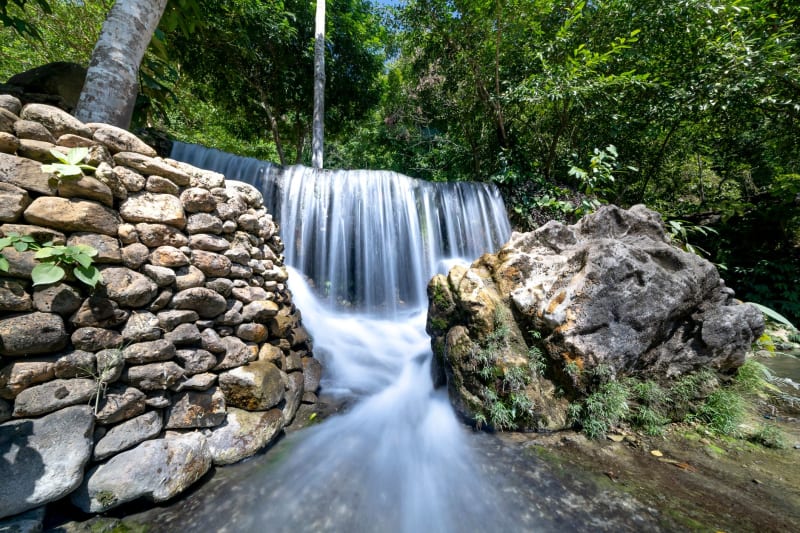 saint-maarten
 Loterie Farm
A 135-acre jungle sanctuary on the island's forested hillside where zip-lines thread through mahogany canopy and cold rum punch tastes best after a sweaty trail.
Explore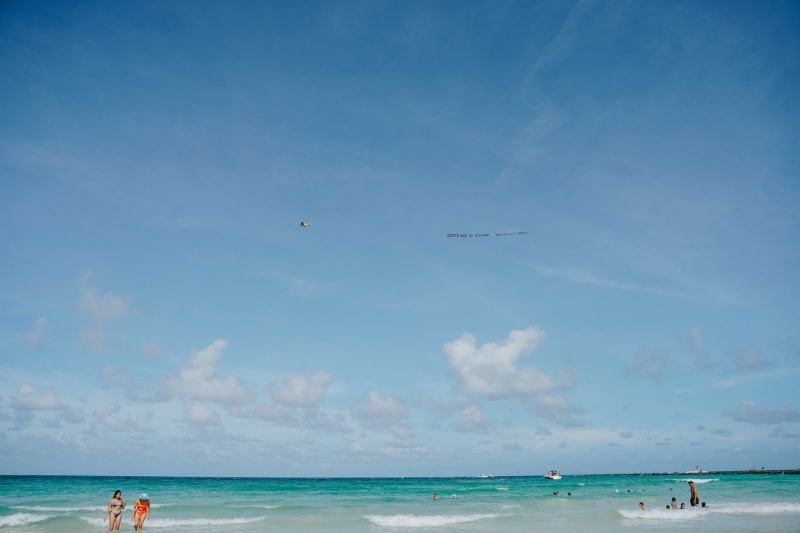 saint-maarten
 Maho Beach
The only beach in the world where the runway is the view and a landing jet rattles your teeth from thirty meters up.
Explore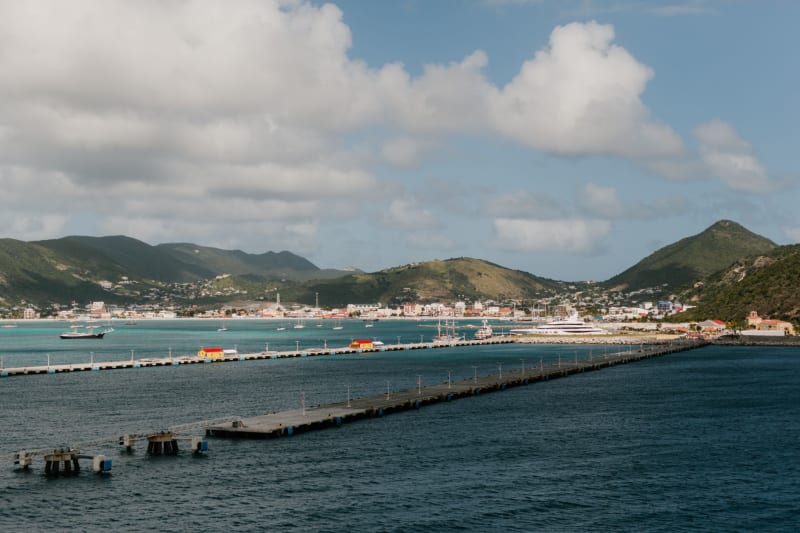 saint-maarten
 Marigot
The French capital that feels like a Martinique fishing village transplanted north — market-scented, unhurried, and quietly correct about everything.
Explore