Niamey
"Niamey grows on you the way a good neighborhood grows on you — not through spectacle but through daily texture."
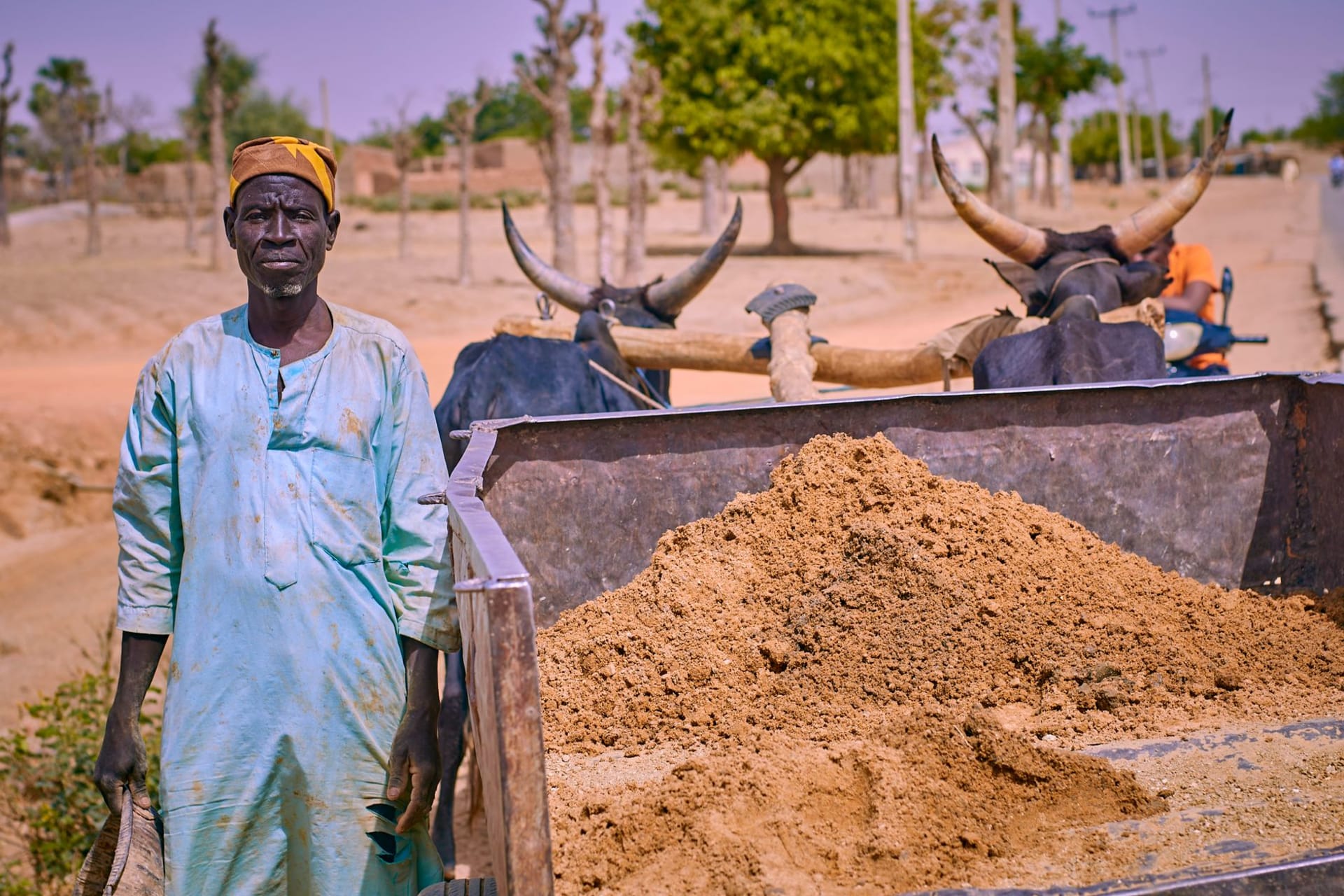
I arrived in Niamey at the end of October, when the harmattan had just started pushing its dry breath down from the north. The air had that particular quality I have only ever encountered in the Sahel — a fine haze of dust suspended at mid-height, filtering the sun into something burnt and amber, making every object look slightly older than it is. A woman carrying a calabash on her head crossed the road in front of the taxi and for a moment the whole city looked like a painting someone hadn’t finished. The taxi driver caught me looking and said something in Zarma I didn’t understand, and then, reading my face correctly, said simply in French: “Welcome to Niger.” It felt like an accurate description of the entire country.
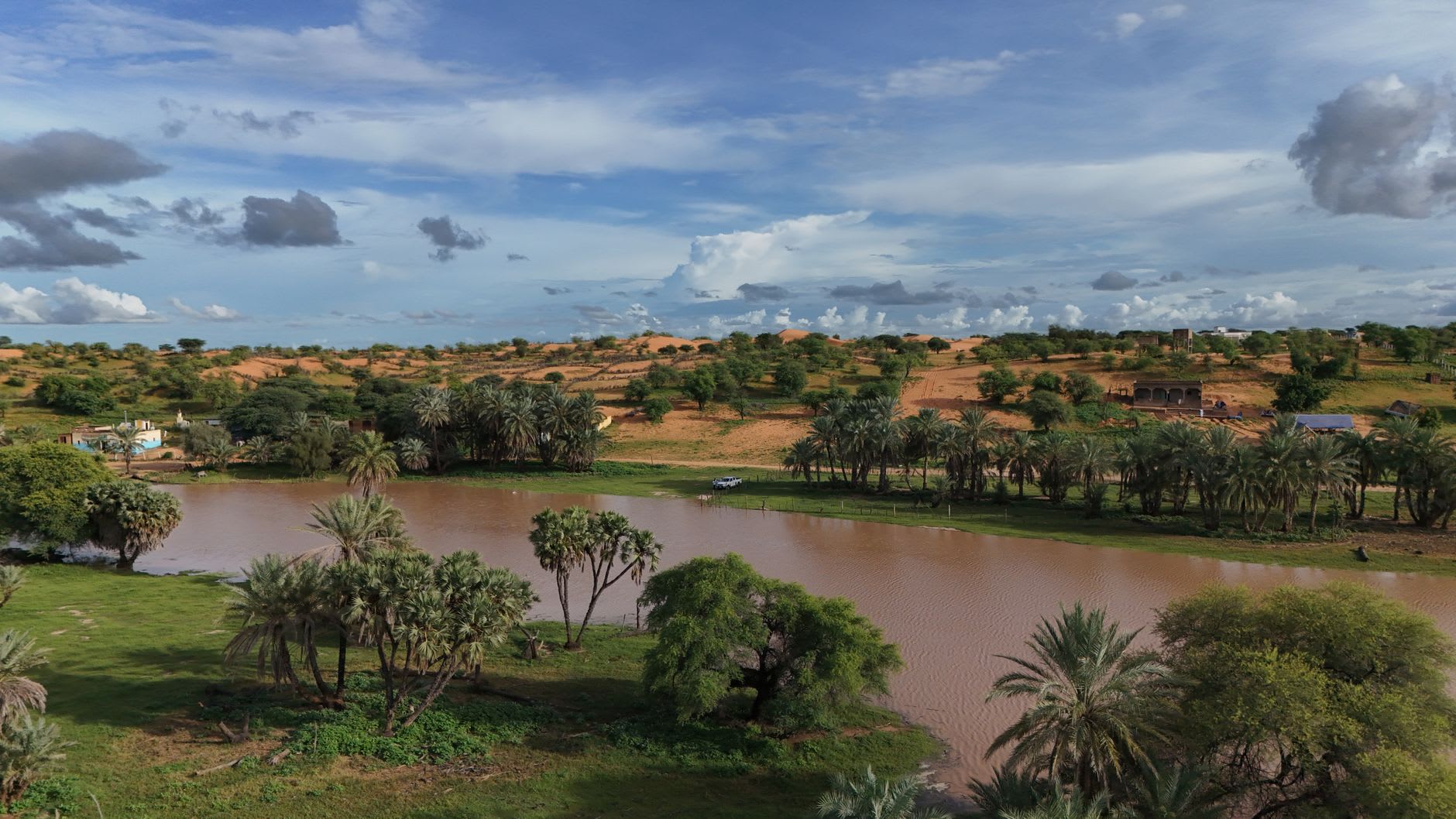
Niamey is a capital that hasn’t fully committed to being one. The government buildings are there, the embassies, the roundabouts with murals of Nigerien history — but between them the city runs on a more personal logic: neighbourhoods organized around wells and mosques, men playing oware under corrugated iron awnings in the evenings, millet beer sold from calabashes at the market, the Niger River cutting through the southern edge of the city in a wide bend that turns copper at sunset. The Grand Marché burned down in 1988 and was rebuilt, and the replacement has been filling and expanding ever since — a tightly packed warren of fabric merchants, electronics, dry goods, spices, and the irreplaceable women who sell Maggi cubes, dried baobab leaves, and river fish from identical basins arranged in the same order every day. The National Museum complex nearby is one of the best in West Africa and is almost always empty, which means you can stand in front of a royal tent from the Tuareg sultanate of Agadez for as long as you want without another tourist appearing in your peripheral vision.
The food in Niamey exists in two registers. There is the formal register — Lebanese restaurants, a few places doing French food, hotels with buffets — and the register that actually matters, which runs from the millet paste tô served with groundnut or baobab leaf sauce at outdoor restaurants, to the brochettes of beef or mutton grilled over charcoal that appear near every busy intersection after dark. The bouillon vendors — women who set up deep clay pots of simmering broth on braziers and sell bowls of it with a piece of bread — are the city’s late-night institution, and I sat at one long after midnight watching the street settle into its quieter register. The broth tasted of everything that had been cooked in the pot for weeks.

The Niger River itself, if you can find a boatman, is the city’s best kept offering. A pirogue ride at the right hour — early morning, or the hour before sunset — passes hippo pools in the shallows, reed beds full of warblers and herons, fishermen working in a silence that makes the city a few hundred metres away seem like a rumour. The river is the reason Niamey exists in its particular spot, and it still works as the city’s emotional anchor, the place people go to sit and look and not explain themselves.
When to go: November through February. The harmattan dust settles somewhat by December and January, giving clearer mornings and the best light on the river. April and May are brutal — dry season heat without the slight wind relief of the harmattan — and the rains from June through September can turn the unpaved streets of outer Niamey into mud channels that make travel frustrating.