Timbuktu
"You don't visit Timbuktu. You arrive at the idea of it, and then have to deal with the actual place."
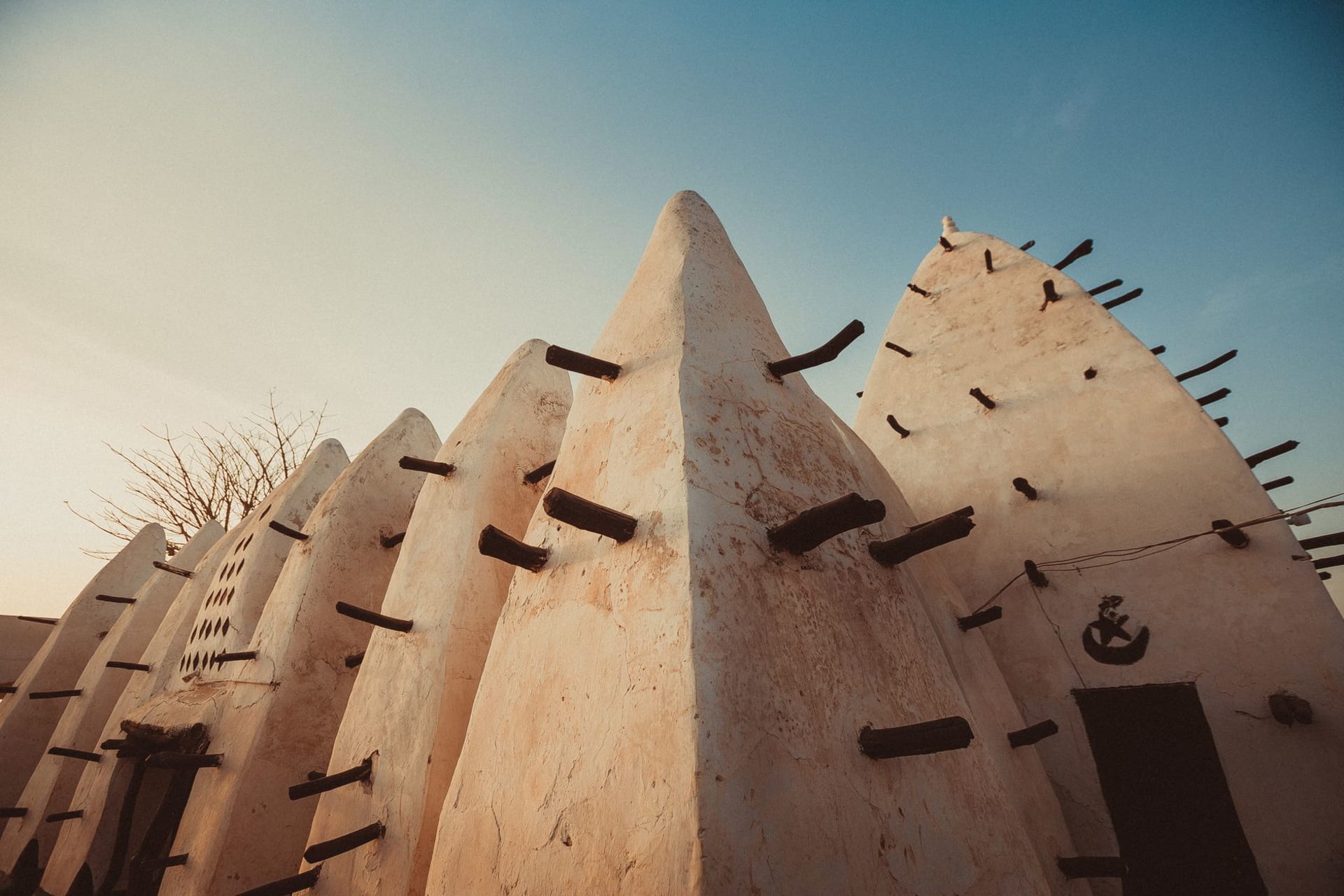
The name alone is a problem. Timbuktu has been doing linguistic duty for five centuries as a synonym for the farthest, most unreachable place — and so you arrive in the actual city with a head full of metaphor and find a quiet, sandy, complicated Malian town of about 50,000 people who have been living here the whole time, mostly unbothered by their symbolic status. The sandy streets are real. The heat — a dry, total heat that sits on the skull like a lid — is real. The great mosques of the 14th and 15th centuries, built in Saharan mud-brick, are astonishing and real.
I arrived by 4x4 from Mopti, several hundred kilometers across flat Sahel, through villages of stick-and-mud construction, past the Niger River’s wide brown loops. The town appeared without fanfare, the minaret of Djinguereber mosque rising first, the mud-brick towers looking, genuinely, like they have grown from the sand rather than been built from it.
Timbuktu was, from the 12th to 16th centuries, one of the great cities of the Islamic world — a trading hub where Trans-Saharan routes converged, where gold from West Africa and salt from the desert mines met and were exchanged, where manuscripts accumulated in private libraries that now contain an estimated 700,000 documents covering theology, astronomy, medicine, mathematics, and law. The Ahmed Baba Institute houses many of these; walking through its air-conditioned galleries, looking at 14th-century texts in clear Arabic script, corrects something that the word “Timbuktu” has distorted. This was not the edge of civilization. It was a center, and it knew it, and the evidence survives.
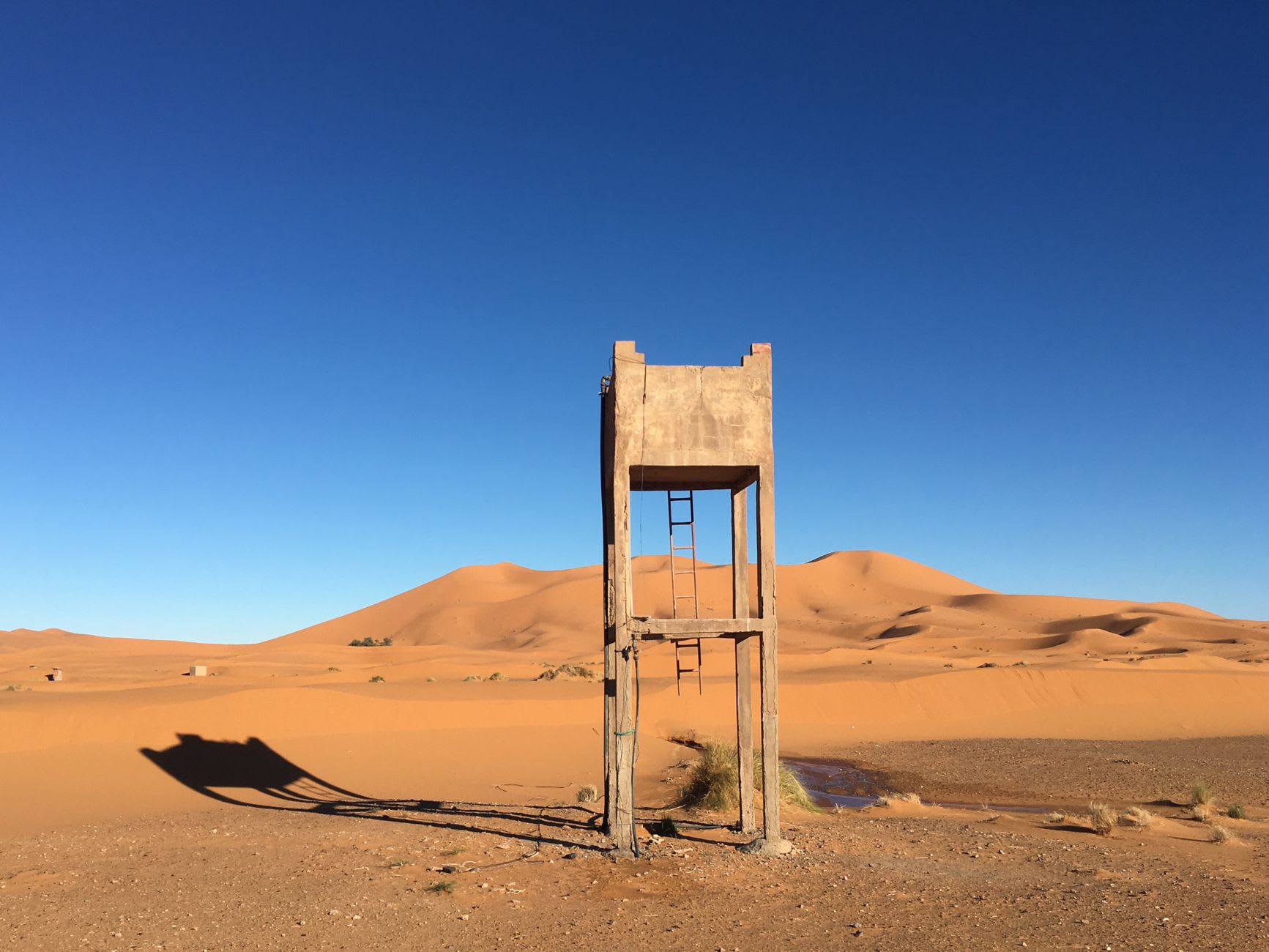
The salt trade remains. Camel caravans still bring slabs of Saharan salt from Taoudenni — 700 kilometers to the north — to Timbuktu’s market, the same route operating for seven centuries. The slabs are enormous, heavy, still traded as a commodity in the same market square. The camel drivers are Tuareg and Moor; the transaction still happens with the same mixture of ceremony and practicality it always has. Standing there watching a salt slab change hands, with the mosque behind me and the Sahara beginning at the northern edge of the market, I had one of those rare moments where historical continuity is not a concept but a sensory fact.

The food in Timbuktu is river and Sahelian: millet porridge, fried fish from the Niger, grilled mutton. Tea is brewed in small pots and poured from a height to create froth, served in glasses so hot they require a particular three-fingered grip. Everyone drinks it constantly. The hospitality is elaborate and genuine — refusing to eat or drink with someone is a significant social refusal here, and once you understand this, the invitations that seem to come from everywhere become something other than commercial transactions.
When to go: November through February, when temperatures drop to a manageable 25-30°C during the day. The rest of the year, heat in Timbuktu is serious — above 40°C from April through October. Check current security advisories for Mali before planning any visit; the political and security situation has been volatile in recent years, and access has at times been restricted or inadvisable for independent travelers. Research carefully and recently.