Orwell Corner Historic Village
"I came for the blacksmith shop and stayed because the whole crossroads felt like it was still waiting for someone."
A restored 19th-century crossroads settlement where blacksmiths still hammer iron and the general store still smells of woodsmoke.
Lia found Orwell Corner on a map almost by accident, a small dot inland from the coast, away from the lighthouses and the red cliffs everyone photographs. We nearly skipped it. I’m glad we didn’t, because nothing about PEI had prepared me for how quiet a 19th-century crossroads could feel on a June morning, mist still sitting low over the fields, the gravel lot empty except for our rental car and one bicycle leaning against a fence post.
The village itself is small, maybe a dozen buildings, but each one is doing real work. A woman in a long wool skirt was tending the general store and post office when we walked in, and she talked us through the ledger books and the shelves of goods like she’d been doing it her whole life, not just her summer job. Next door, the blacksmith shop was already going, the coals glowing orange, a young guy hammering out something I never quite identified, sparks jumping every time the hammer landed. Lia stood there for a good fifteen minutes just watching, and I don’t think either of us said a word.

What got me most was the farmhouse, the one dating back to 1864. It’s furnished the way a Scottish or Irish settler family would have kept it, low ceilings, a wood stove doing all the work, small windows that let in just enough light to see by. Standing in that kitchen, I kept thinking about how many winters this same room had survived, how many people had come through this exact crossroads in Kings County just trying to get their crops to market or their mail sent. We walked the dirt path over to the Sir Andrew Macphail Homestead next door too, and I liked that pairing, the working farm settlement right beside the birthplace of a man who became a doctor and writer. Two different kinds of legacy sitting a few hundred meters apart.
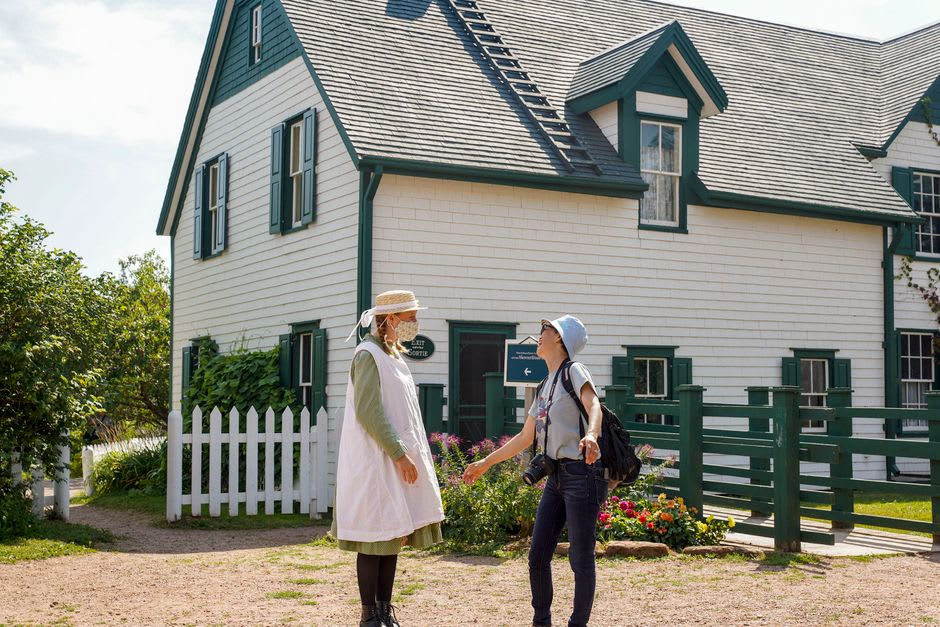
We ended up staying almost three hours, longer than I expected for a place I’d nearly written off as a detour. There’s something about watching people actually work a forge or card wool instead of just reading a plaque about it that changes how the history lands. It stopped feeling like a museum and started feeling like a place that just happened to be quiet that particular Tuesday.
When to go: Aim for June through September, when the buildings are open and the costumed interpreters are out working the forge, the fields, and the store — outside that window, the crossroads goes back to sleep.
Keep exploring
More from Prince Edward Island
 prince-edward-island
 Point Prim
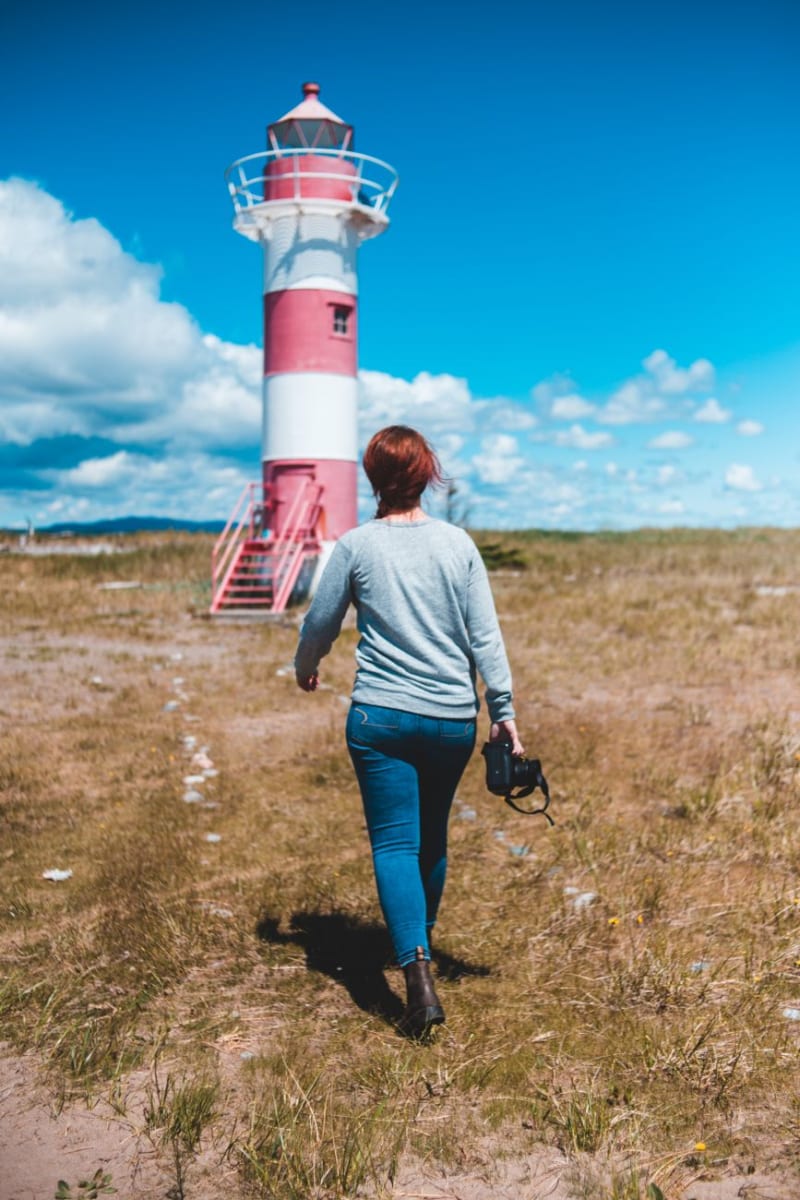
A skinny red finger of land reaching into the Northumberland Strait, ending at PEI's oldest lighthouse and a shed that serves the best oysters I have eaten anywhere.
Explore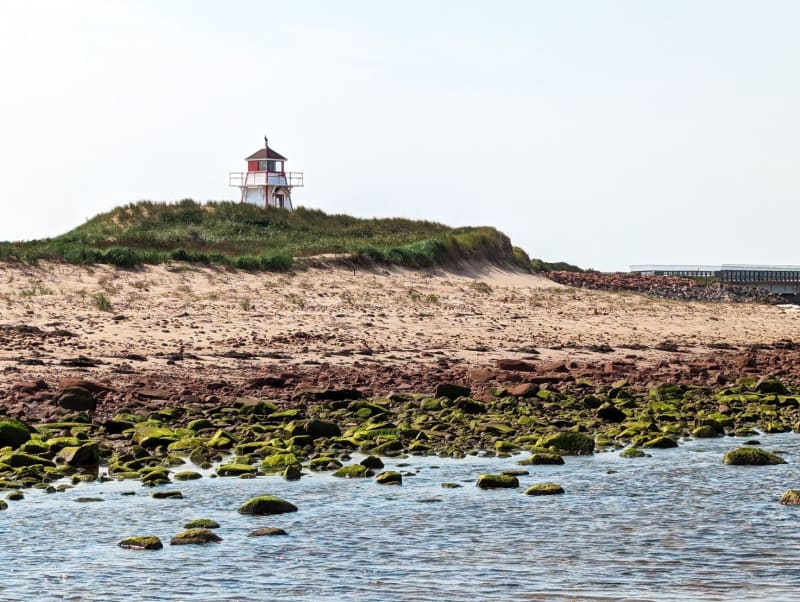 prince-edward-island
 Souris
The eastern gateway to the Magdalen Islands, where the ferry leaves at two in the morning for people who genuinely mean to go somewhere.
Explore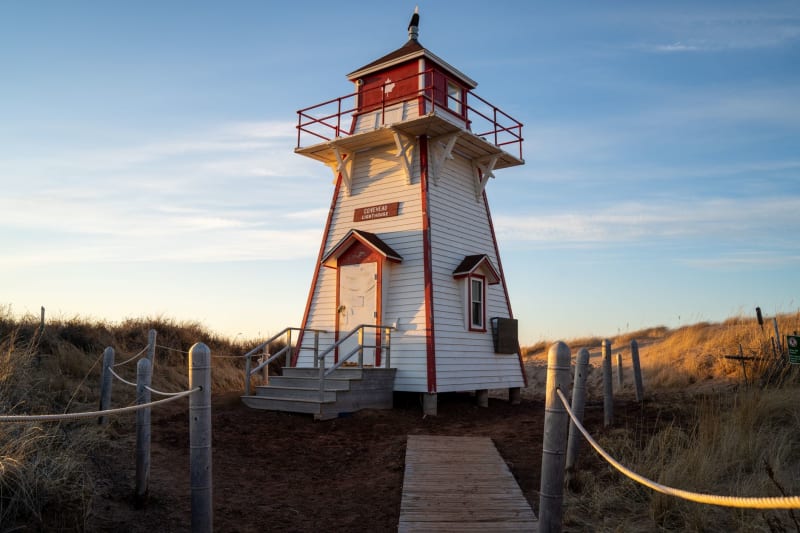 prince-edward-island
 Summerside
PEI's second city doesn't sell itself to you — it just exists at its own pace, and that turns out to be exactly enough.
Explore prince-edward-island
 Tignish
The far western end of the island, where the road runs out at North Cape and a Gothic church plays a pipe organ that has been shaking its walls since 1860.
Explore prince-edward-island
 Victoria-by-the-Sea
Seventy-five permanent residents, one chocolate shop, one theatre, and the precise pace at which time is supposed to move.
Explore prince-edward-island
 Basin Head
The beach that sings underfoot — Basin Head's silica-rich sand squeaks with each step in a way that no scientific explanation makes less strange.
Explore