
Elvas
"Elvas is a town that spent three centuries preparing for an invasion from Spain that, near the end, mostly stopped coming."
A star-shaped fortress town on the Spanish border, its UNESCO-listed bastion walls fed by an aqueduct that took over a century to build across the plain.
I crossed into Elvas from the Spanish side, and the town announces itself long before you reach it — a low silhouette of star-pointed bastion walls spread across the plain, more geometry than architecture, built in a design so specifically anti-artillery that it looks almost abstract from a distance. This is the largest bulwarked dry-ditch fortification system in the world, a UNESCO site since 2012, constructed and reinforced over roughly two hundred years while Portugal and Spain traded blows across this exact stretch of border. Walking in through the Porta de Olivença, one of the fortified gates, the scale of the defenses only became clear once I was inside them — walls within walls, a fort on a hill outside town keeping watch over the whole system, everything angled so that no attacker could ever approach without being seen from at least two directions.
An Aqueduct Built for a Siege
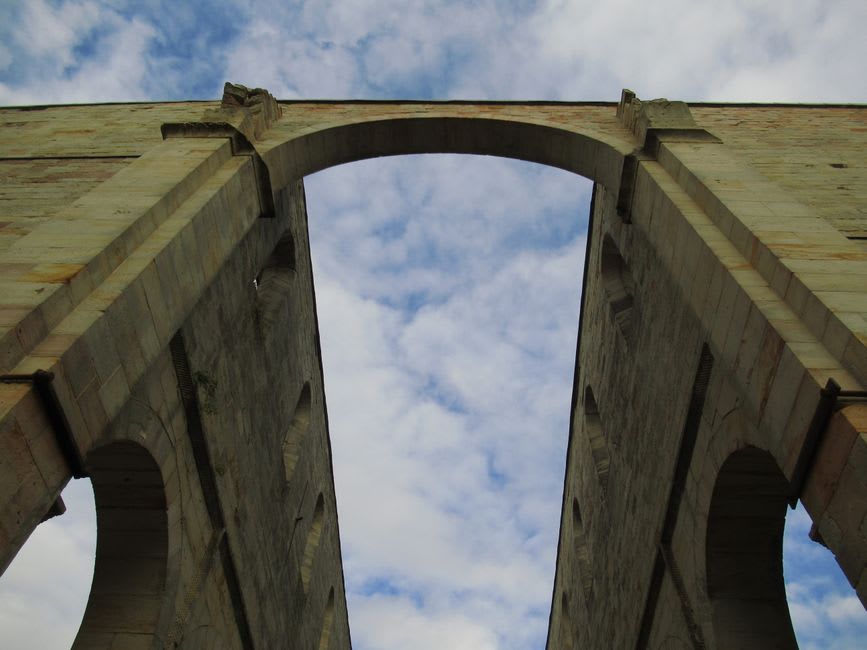
The most striking thing in Elvas isn’t even the walls — it’s the Amoreira Aqueduct, a five-tiered structure of stone arches stretching over seven kilometers across the plain into the town, built between the sixteenth and seventeenth centuries specifically so Elvas could survive a prolonged siege without its water supply being cut. Some sections rise over thirty meters high, dwarfing the road that runs beneath them now, and I stood under one of the tallest arches near the edge of town just to feel how out of scale it was with everything else around it — a piece of military infrastructure so overbuilt it’s outlasted every war it was designed for by centuries.
A Border Town’s Quiet Ordinary Life
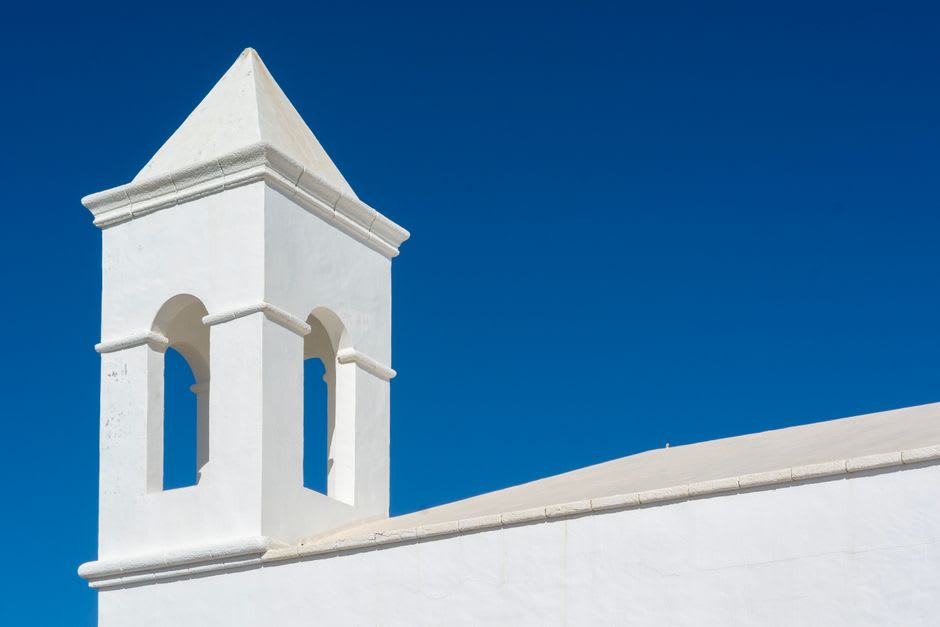
Inside the walls, though, Elvas felt surprisingly domestic — a market square with a whitewashed church, old men on benches arguing about football, a bakery selling sericaia, a cinnamon-dusted egg custard the region claims as its own. I bought a slice from a woman who told me, unprompted, that half the town still crosses into Spain for cheap fuel and the other half swears by the Portuguese bakery instead, a small border rivalry that felt entirely at peace with itself. Sitting in the main square with coffee, watching swifts wheel around the church tower, it was hard to square this unhurried town with the fact that its entire layout exists because of centuries of expected violence.
When to go: Spring or early autumn — the plain around Elvas gets brutally hot in summer, and the aqueduct’s long, shadeless approach is far more bearable before June or after September.