
Site 3 — Lat Khai
"You walk through someone's daily life to get to a two-thousand-year-old mystery. That's the correct order of things."
Getting to Site 3 requires a decision that the other jar sites don’t: you have to walk through Ban Xieng Di, an actual village where people live. The path takes you past a wooden school, through a vegetable garden where someone’s grandmother was harvesting greens when I arrived, and then across a narrow dike between two flooded rice paddies where the reflections of the morning sky lay perfectly still. A dog followed me from the village edge all the way to the hillside. He seemed to know the route better than I did.
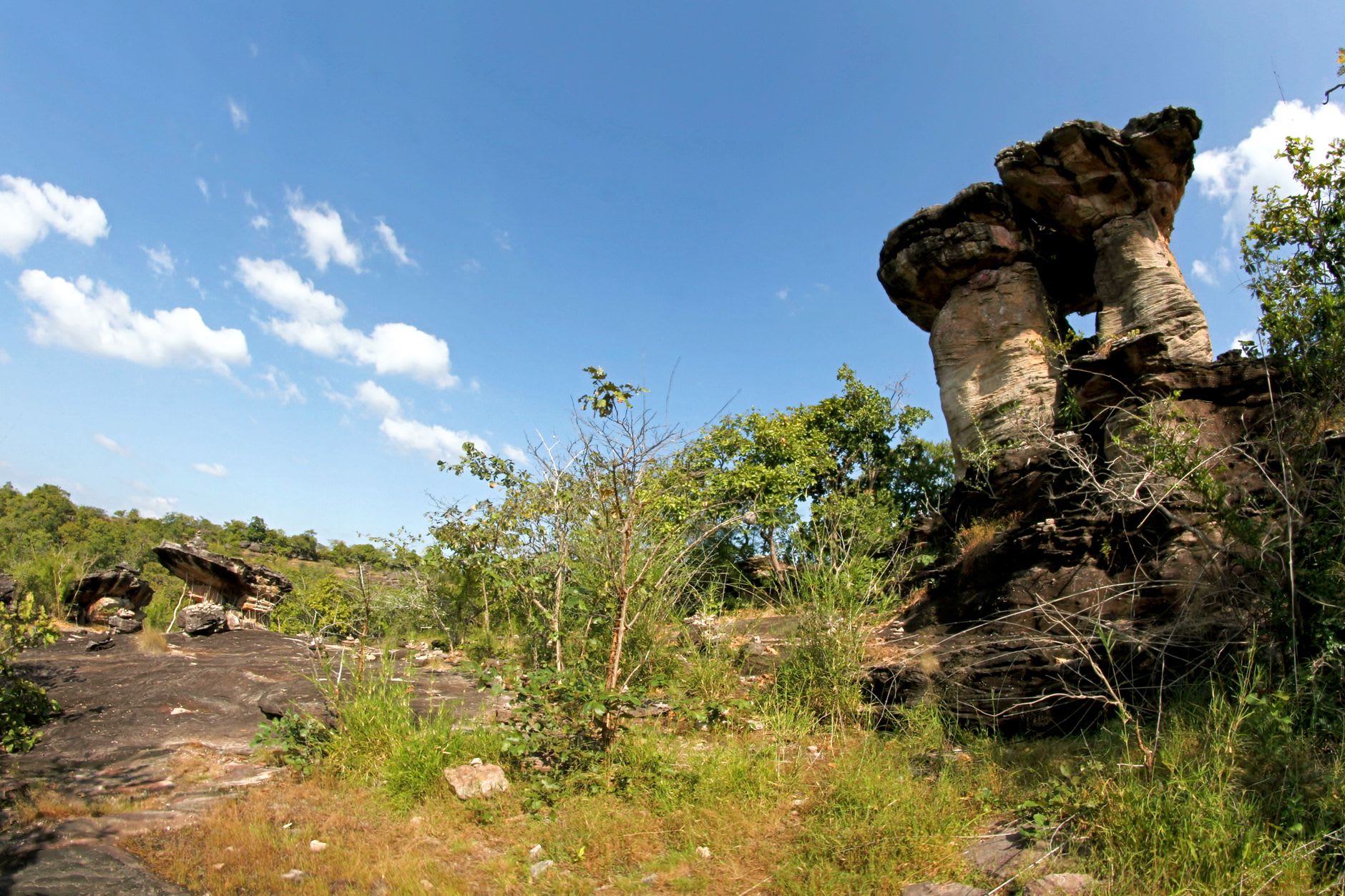
The jars at Site 3 — around 150 of them — are spread across a series of low hills rather than concentrated in a single field, which gives the site an expansive, dispersed quality that feels different from both Site 1 and Site 2. You crest one ridge and find a cluster of ten or fifteen, then walk a few hundred metres through tall grass to find another group. Some are partly buried. Some lean at angles that suggest the hillside has been moving very slowly for a very long time. The views from the upper sections extend over the plateau below — green or brown depending on the season — and on the morning I visited, wood smoke from the village drifted across the lower fields and mixed with the smell of the wet grass underfoot. It smelled like the particular combination of things that have been here for centuries.
What strikes me most about Site 3 is the context it provides. At Site 1, the jars exist in a kind of managed isolation, the surrounding landscape kept at a distance by fences and cleared paths. Here, the jars sit within a landscape that is still in active use — the hills grazed, the paddies worked, the village paths worn down by feet rather than tourist boards. The ancient and the contemporary exist at the same scale, and neither one makes the other feel smaller. A buffalo was grazing in the tall grass between two clusters of jars when I passed through. It did not appear troubled by the weight of history.
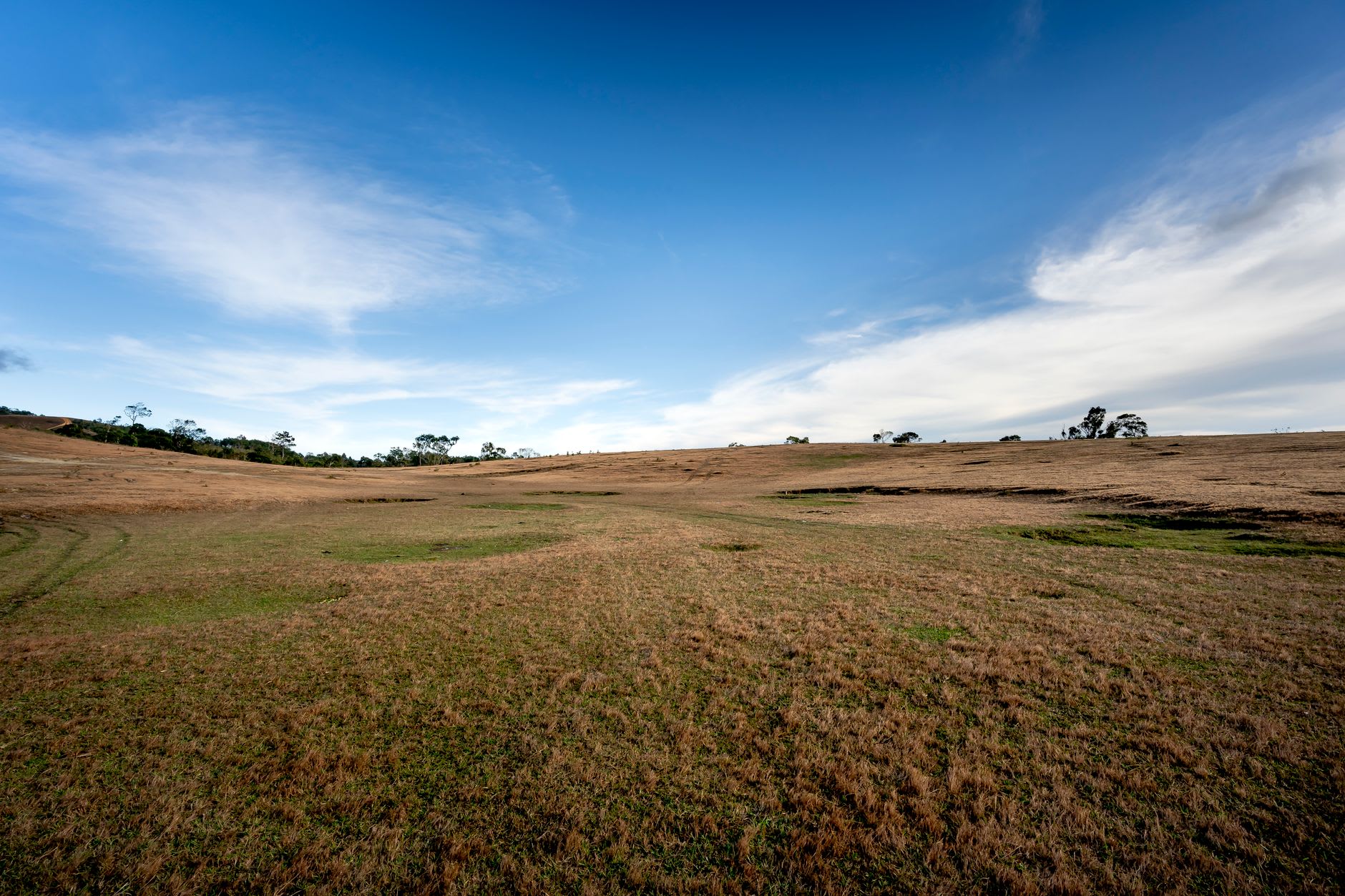
The walk back through the village felt warmer than the walk in. The grandmother with the vegetable garden waved when I passed. The dog had disappeared. At the road, a woman was selling cold drinks from a cooler in the shade of a corrugated roof, and I sat there for twenty minutes drinking sugarcane juice and watching motorbikes pass, feeling the particular satisfaction of a place visited properly rather than efficiently.
When to go: Site 3 is best in the dry season, but unlike Site 2, the walk through the village and across the rice paddy dikes can be done even after light rains — the path is mostly compacted earth and the dikes are wide enough to navigate. Avoid the rainy season peak (July–August) when the paddies are full and the paths are uncertain. November through February is ideal — the rice is either being harvested or the paddies are dry and the walk becomes even more beautiful.