Site 1 — Ban Ang
"The jars don't answer questions. They just sit there, enormous and patient, which is somehow worse."
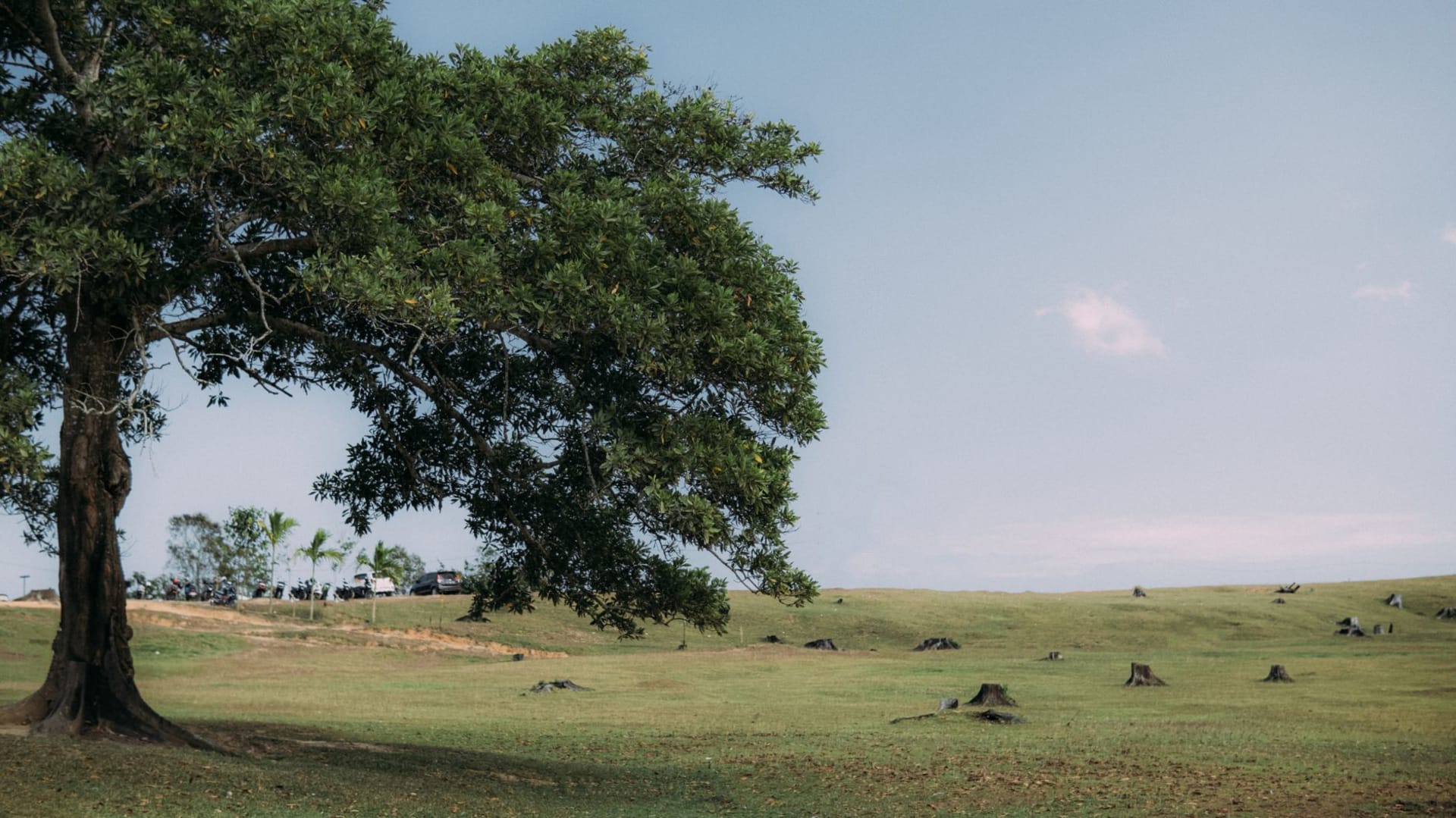
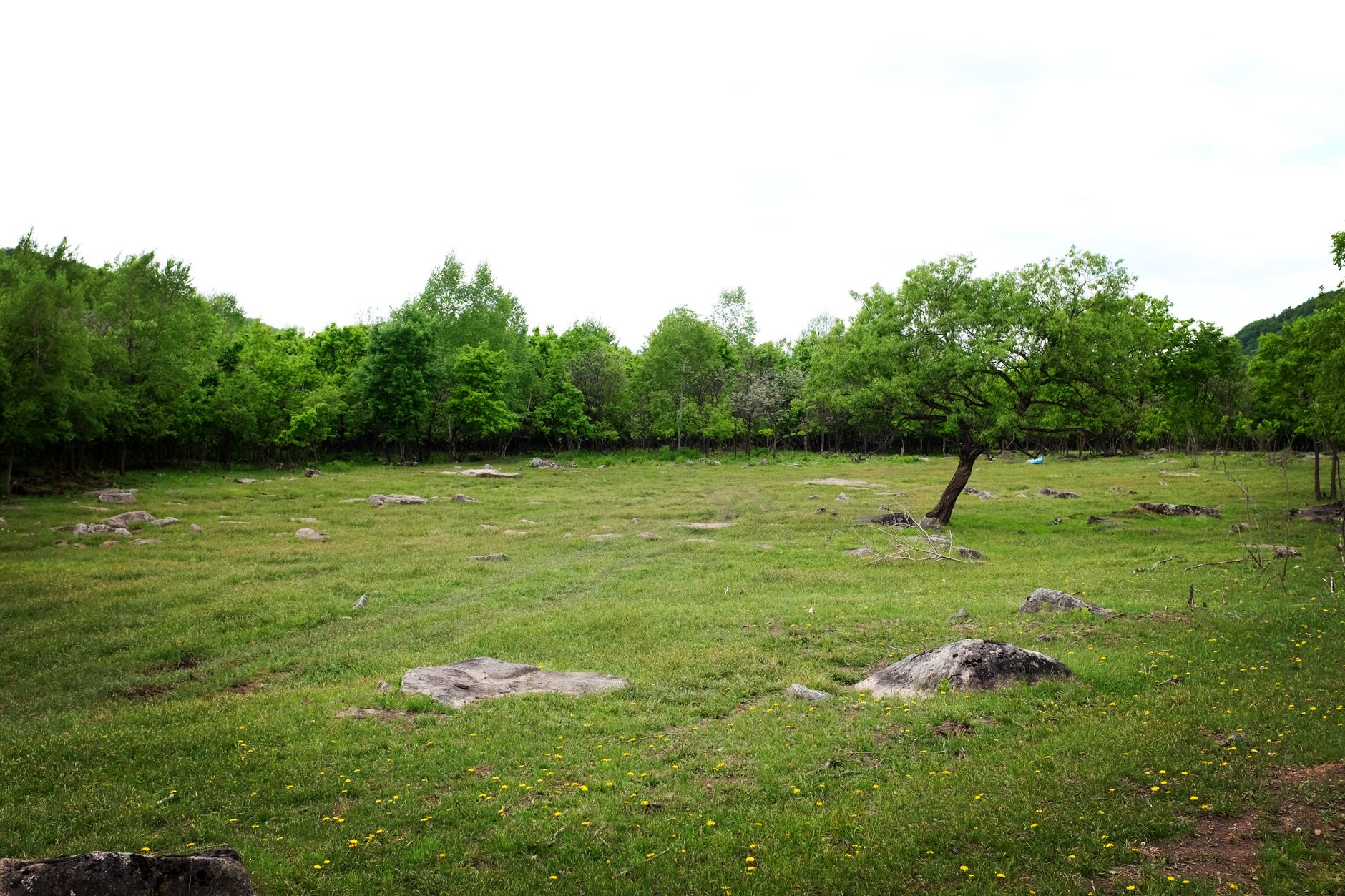
I arrived at Site 1 before seven, when the mist was still sitting low in the bowl of the plateau and the ticket collector hadn’t yet finished his tea. The entrance path leads you through a fringe of pine trees and then opens, suddenly, onto the main field — and the first time you see it, you stop walking. Not because it’s beautiful, exactly, but because it’s so strange. Hundreds of stone jars, some as tall as a man, some cracked open across the middle, some half-sunk into the red earth, all scattered across the wet grass in a pattern that feels almost deliberate but never quite resolves into sense. The mist moved between them. A chicken wandered in from somewhere beyond the fence.
The jars were carved from sandstone, limestone, and granite — different material depending on where the stone was quarried, which tells archaeologists they were brought here from some distance. The largest weighs around six tonnes. The academic consensus now leans toward funerary use: the jars may have been used to hold decomposing bodies before secondary burial, the plateau itself a kind of ancient burial ground. But the evidence is partial, the dating uncertain, and the absence of definitive answers is part of what makes this place feel genuinely alive with mystery rather than simply annotated. There is a small shelter near the entrance with photographs and explanation boards, and I appreciated them — but I appreciated them more after I’d already spent an hour alone with the jars and let the confusion settle in properly.
What gives Site 1 an additional layer of weight is the bomb craters. They are everywhere: circular depressions in the earth, some just a few metres across, some large enough that the grass inside them grows differently — thicker, greener — from the displaced soil. The Plain of Jars was one of the most bombed landscapes in history during the American Secret War of the 1960s and 70s, and the craters at Site 1 are among the most visible reminders. The jars survived. The craters remained. Standing between them, two timescales press against each other: two thousand years and fifty years, both asking something you can’t quite answer.
By nine o’clock the tour groups had started arriving — minibuses from Phonsavan, guides with flags, cameras held high. Site 1 is the most accessible of the three main sites: flat terrain, good paths, a small café selling instant coffee and Beerlao. It is also, by mid-morning, the most crowded. I was glad I had come early and taken my time, sitting on a stone ledge near Jar 7 — one of the largest, with a carved stone disc that may have been a lid — and letting the silence do whatever it was going to do. That silence was real for about two hours. Then it became a photograph.
When to go: Get here at sunrise or just after — the mist on the plateau and the low light on the jars in January and February is exceptional. By 9am in high season the site fills quickly. Stay until the groups clear at lunch if you can bear the heat; the afternoon light before four o’clock is worth it.