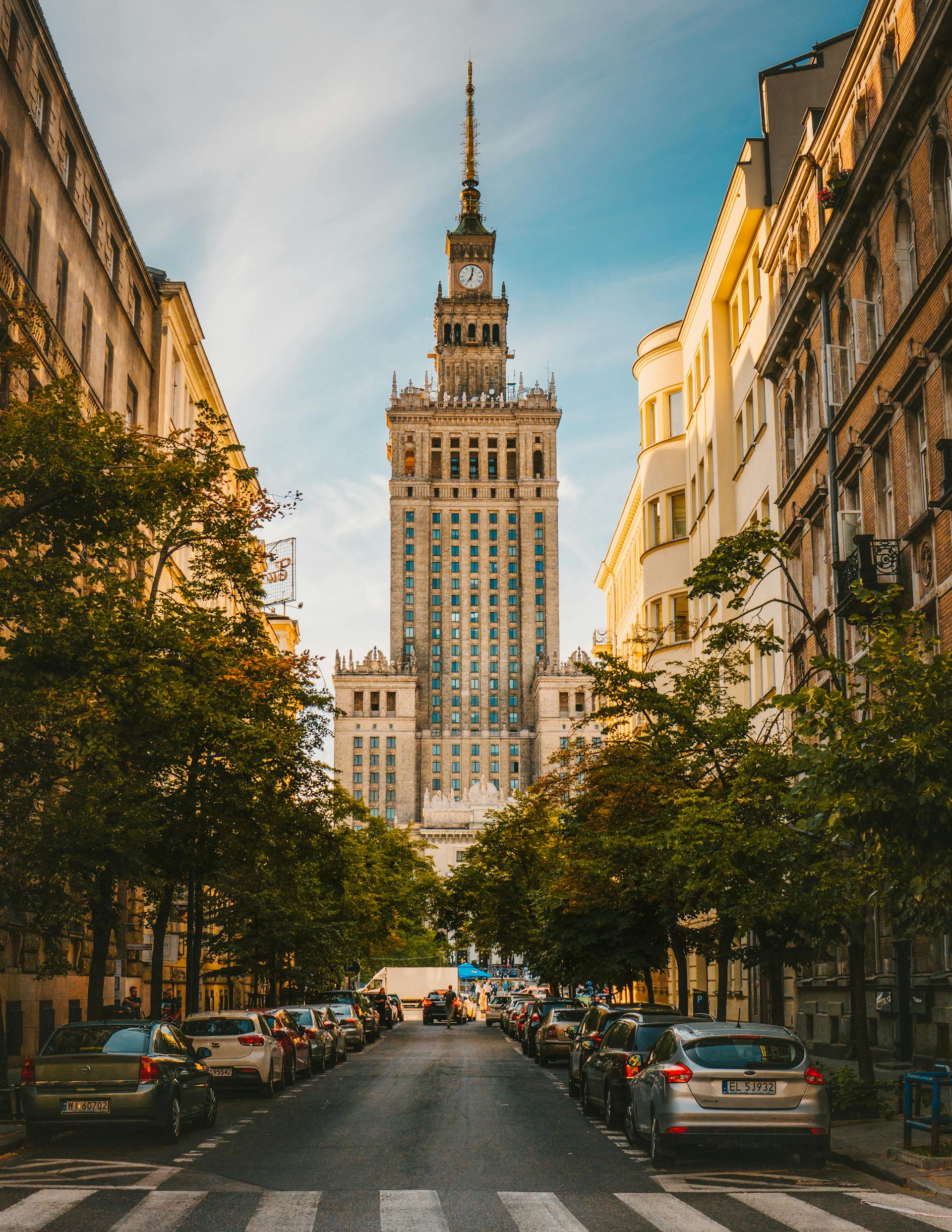
Sacred Valley
"The Sacred Valley is where the Inca genius for working with the land becomes impossible to ignore."
The Sacred Valley of the Incas stretches along the Urubamba River between Cusco and Machu Picchu, and its combination of archaeological sites, living culture, and natural beauty makes it essential — not as a transit stop between Cusco and Machu Picchu, which is how most itineraries treat it, but as a destination that deserves days, not hours. I based myself in Ollantaytambo for three nights and regretted not staying longer.
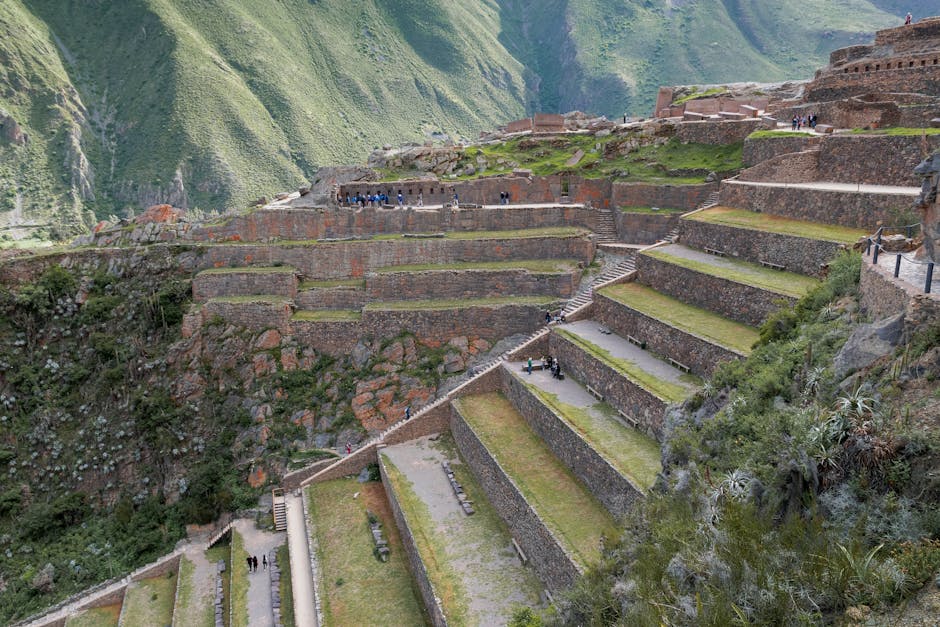
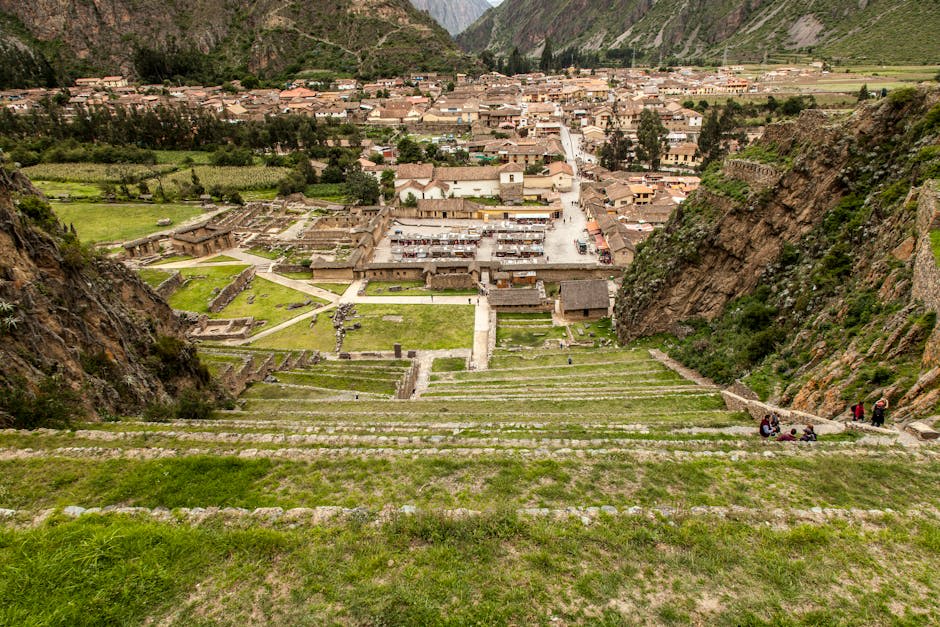
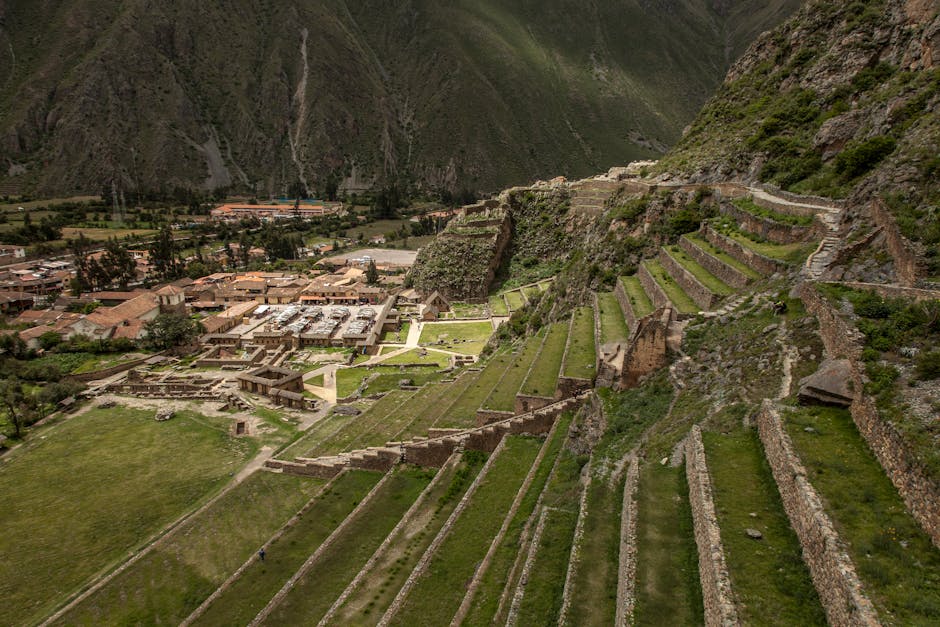
Ollantaytambo’s massive fortress terraces guard the valley’s western end, rising in steep stone steps above the town. I climbed them at dawn, before the tour buses arrived, and stood at the top looking down at a town whose streets still follow the original Inca grid — the oldest continuously inhabited settlement in South America, where water still flows through stone channels laid before the Spanish arrived. The stonework at the top is unfinished — enormous blocks quarried from mountains across the valley, dragged up the hillside, and then abandoned, as if the builders were interrupted mid-sentence. The Spanish arrived. The sentence was never completed.
Pisac’s hilltop ruins overlook a famous market where Quechua-speaking vendors sell textiles and produce. The ruins above the town are more extensive than most visitors realize — a complex of temples, burial sites, and terraces that wraps around a mountain and offers views that stretch the length of the valley. I hiked the trail that connects the ruins to the town below, passing through agricultural terraces that step down the mountainside in curves so precise they look engineered by algorithm, and emerged at the market covered in dust and starving, which is the ideal condition in which to encounter fresh choclo — the Andean corn with kernels the size of a thumbnail, boiled and served with a slab of fresh cheese that squeaks when you bite it.
Moray’s concentric circular terraces are the Sacred Valley’s most intellectually thrilling site. An Inca agricultural laboratory, the terraces descend in concentric rings into natural sinkholes, each level creating a different microclimate — the temperature difference between the top and bottom rings can reach fifteen degrees Celsius. The Incas used this to experiment with crops at different altitudes, essentially engineering a greenhouse system using nothing but geography and geometry. I stood at the rim and tried to imagine the mind that conceived this — not a temple, not a fortress, but a laboratory, a place where science and agriculture merged a thousand years before either word existed in any European language.
The Maras salt mines, still harvested today using pre-Inca techniques, look like an Escher drawing carved into a mountainside. Thousands of small pools cascade down the slope, each filled with brine from an underground spring, evaporating in the sun to produce pink salt that has been collected here for at least a thousand years. The families that work the pools have inherited them through generations, and the salt — coarser and more mineral than what you buy in a supermarket — is sold in the small shops at the entrance for a fraction of what it costs in Lima’s gourmet restaurants. I bought three bags and they made it home in my suitcase.
The valley sits lower than Cusco, making it warmer and easier on altitude-sensitive visitors. Many travelers wisely base themselves here to acclimatize before ascending to Cusco or trekking to Machu Picchu — a trick that experienced travellers have known for years and that I wish someone had told me on my first trip, when I went straight to Cusco and spent two days in bed with a headache that altitude pills could not touch.
When to go: May through September for dry weather. The Pisac market runs daily but is best on Sundays, when the scale expands and the textile selection multiplies. Acclimatize here before heading higher — your lungs will thank you.