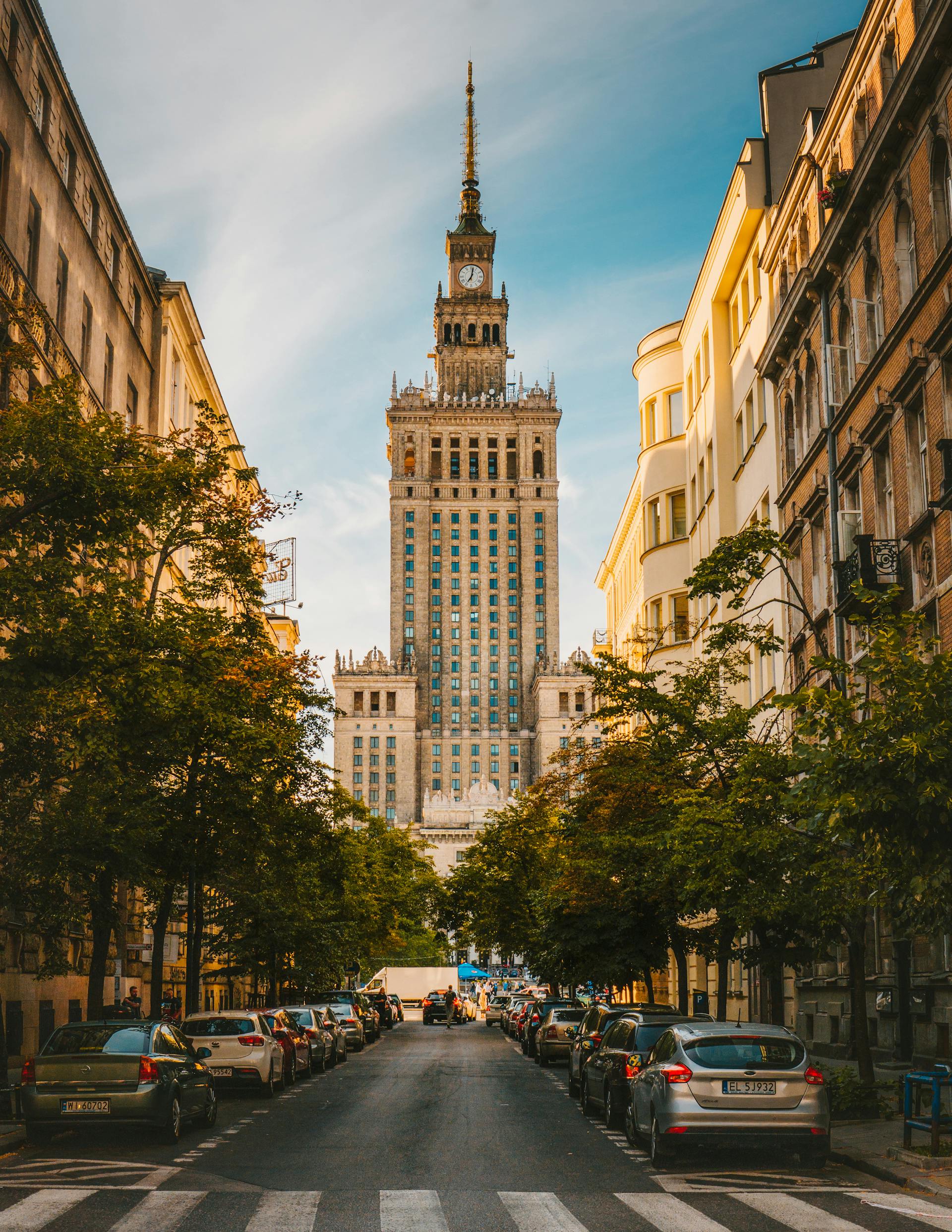
Machu Picchu
"No photograph prepares you for the moment the clouds part and the citadel appears."
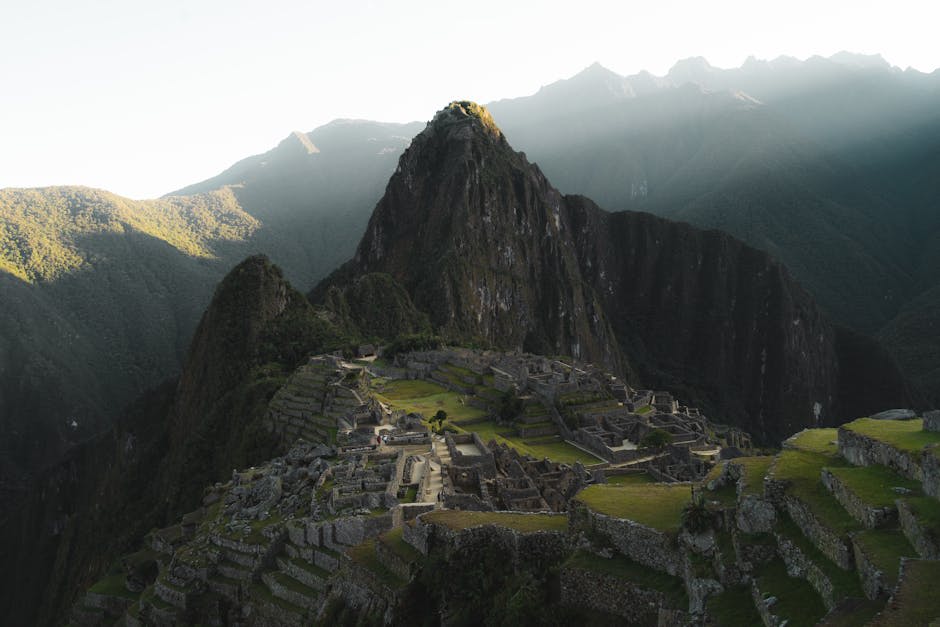
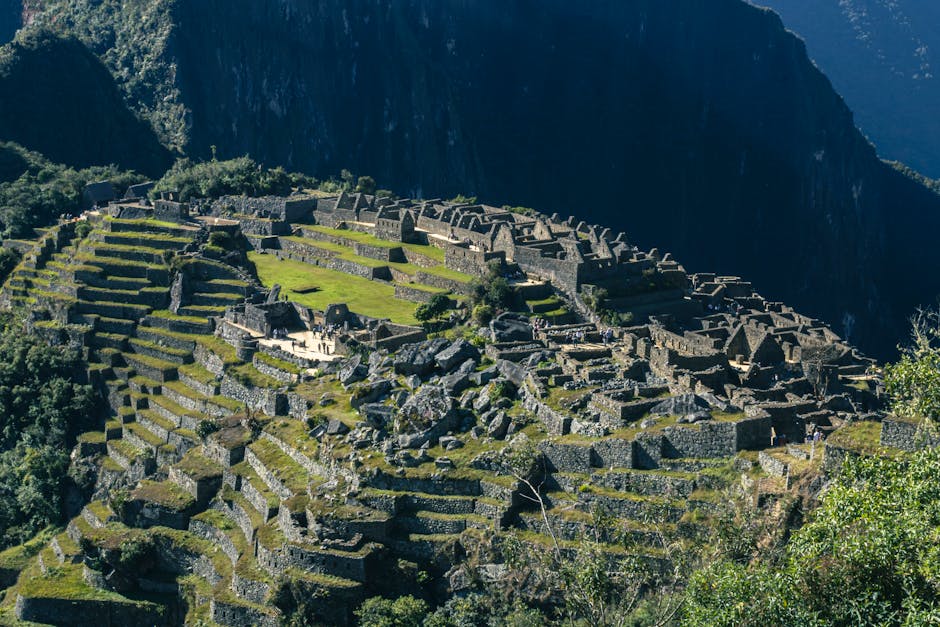
Machu Picchu needs no introduction, yet it still manages to exceed every expectation. I have a rule about famous places: lower your expectations by half, then halve them again, and whatever remains will be close to the truth. Machu Picchu broke the rule. The Inca citadel sits at 7,970 feet on a ridge between two peaks, surrounded by cloud forest and the Urubamba River far below, and the first time you see it — the stone terraces cascading down the ridge, the peaks rising behind, the cloud forest falling away in every direction — something in your chest shifts and does not shift back.
I arrived through the Sun Gate at dawn after four days on the Inca Trail, and the city appeared below through shredding clouds. I sat on a rock and stared. Other hikers arrived behind me and did the same thing. Nobody spoke. Nobody reached for a camera immediately. We just looked, because the place demands a moment of silence before it allows you to be a tourist.
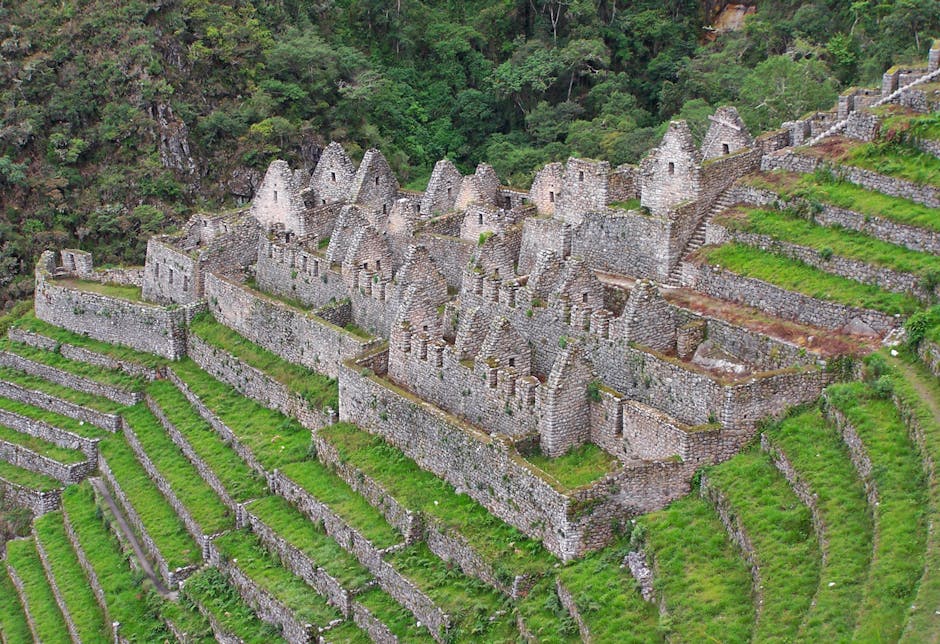
The precision of the stonework is what stays with you. The Incas built this city without mortar, without iron tools, without the wheel, and the blocks fit together with a tightness that defies the technology available. The Temple of the Sun, the Intihuatana stone, the Room of the Three Windows — each structure demonstrates an understanding of astronomy, engineering, and aesthetics that makes you reconsider everything you assumed about pre-Columbian civilization. These were not primitives. These were architects of extraordinary sophistication, and they placed their greatest city in a location so dramatic that the landscape itself becomes part of the architecture.
Huayna Picchu’s steep climb offers a bird’s-eye perspective that is worth every vertiginous step. The path is narrow, the drop is real, and the view from the top — looking down at the citadel from the peak that appears in every photograph — is one of those moments that justifies the entire concept of travel. Book the permit well in advance; only 400 people per day are allowed up, and it sells out months ahead.
The Inca Trail — a four-day trek through mountain passes and cloud forest — remains the most iconic approach. Dead Woman’s Pass at 4,215 metres was the hardest physical thing I have done, and the descent into the cloud forest on day three, with orchids and hummingbirds and a green so dense it felt liquid, was the most beautiful. But the train from Ollantaytambo through the Sacred Valley is spectacular in its own right, and there is no shame in arriving that way. The citadel does not judge how you got there.
Daily visitor limits now protect the site — a welcome change from the days when it was loved nearly to death. Book well ahead, hire a guide (the history deserves a narrator), and arrive early. The afternoon crowds dilute the magic. The dawn belongs to the mountain.
When to go: May through October for dry season. June and July are busiest. The shoulder months of April and November offer fewer crowds with reasonable weather. Inca Trail permits sell out months in advance — book as early as possible.