Lima
"Lima's food scene is not just the best in South America — it is one of the best on Earth."
Lima surprises everyone who gives it a chance. Most travelers rush through to reach Cusco, but the capital rewards those who linger. The food alone justifies a multi-day stay — ceviche at a Miraflores cevicheria, anticuchos from a street cart in Surquillo, and tasting menus at Central or Maido that rank among the world’s best restaurants. The fusion of indigenous, Spanish, African, Chinese, and Japanese cuisines is uniquely Limeno, and I say this as someone who has eaten his way through Mexico City and thought nothing could rival it.
I arrived skeptical. A friend in Oaxaca had told me Lima would change my understanding of ceviche, and I smiled politely because I had been eating ceviche in Mexico for years and considered the matter settled. He was right. The Peruvian version — leche de tigre, the sharp sting of aji amarillo, fish so fresh it arrived at the restaurant an hour ago — is a different conversation entirely. I sat at a counter in Surquillo market, eating ceviche at ten in the morning with a beer I did not need, and understood that Lima’s food reputation is not marketing. It is arithmetic. The Humboldt Current delivers some of the richest fishing waters on Earth directly to the city’s doorstep.
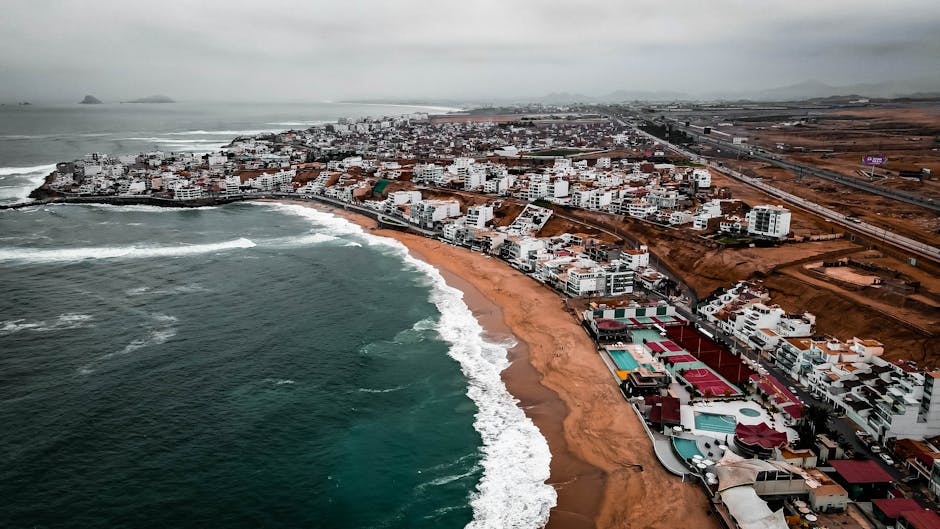
Beyond the plates, Lima holds layers of history. The colonial center’s baroque churches and Plaza de Armas anchor a UNESCO World Heritage Site. Huaca Pucllana — a pre-Inca adobe pyramid — sits in the middle of Miraflores, illuminated at night beside modern restaurants. The juxtaposition is so surreal it feels like a glitch in the timeline: you eat grilled octopus while a 1,500-year-old temple glows amber through the window.
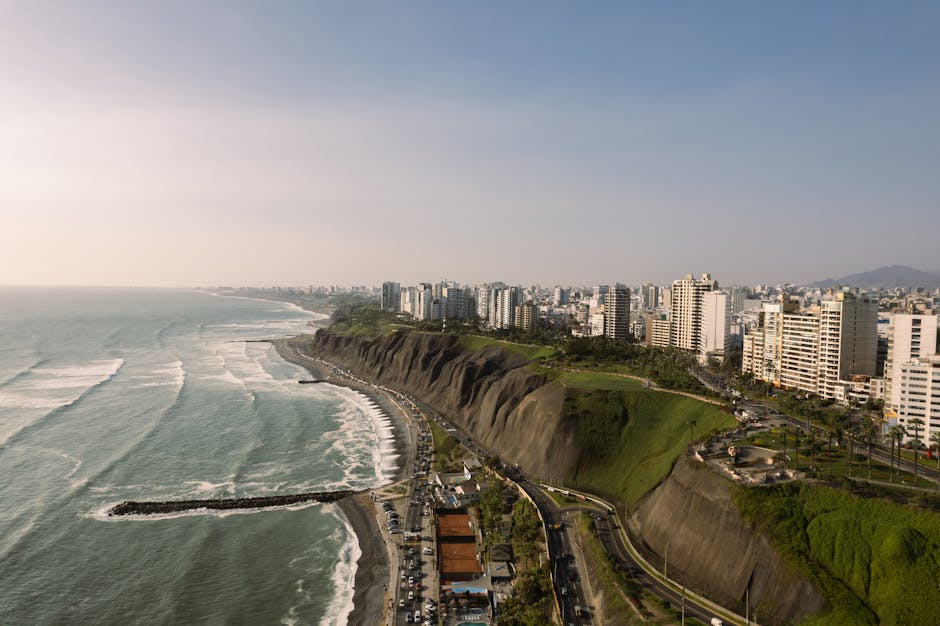
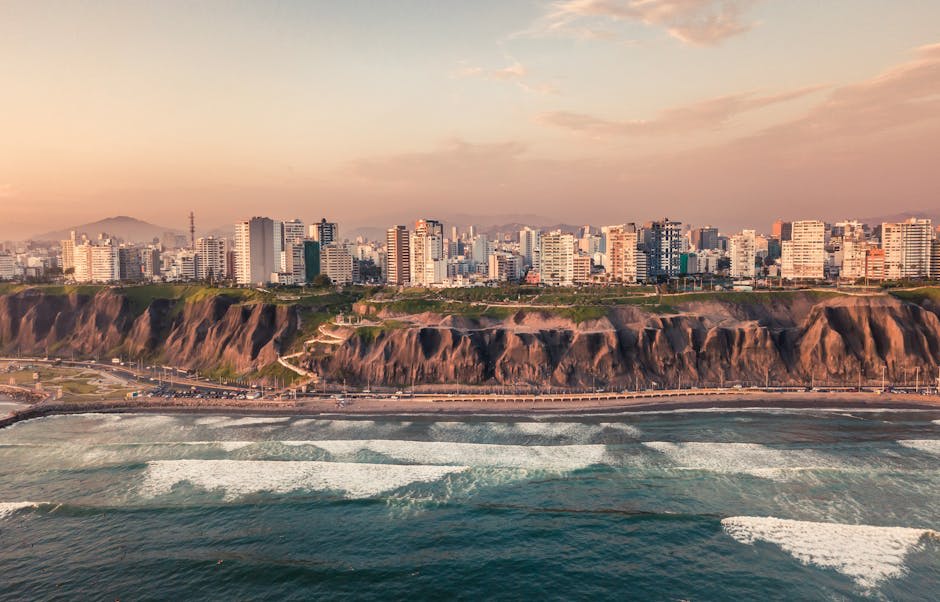
Barranco is the neighbourhood where I would live if Lima became home. The bohemian streets offer galleries, bars, the Bridge of Sighs, and a creative energy that reminded me of Roma in Mexico City before the rents went up. At sunset, I walked down to the Bajada de Banos and watched paragliders drift above the Pacific cliffs, the city sprawling behind them, and thought: this is a great city that the world has only recently noticed.
The Nikkei restaurants deserve their own paragraph. The Japanese-Peruvian fusion — tiraditos, makis with aji sauces, ceviche reimagined through Japanese knife work — produces food of startling originality. At Maido, I had a tasting menu that moved from the coast to the Andes to the Amazon in ten courses, and each one taught me something about Peru I had not known. The quality-to-price ratio, compared to other food capitals, makes Lima feel like a secret that cannot last.
When to go: December through March for rare sunshine. Lima is gray and cool May through November — the garua, a persistent coastal fog, settles over the city like a mood. The food is outstanding year-round, and honestly, the weather is secondary when the ceviche is this good.