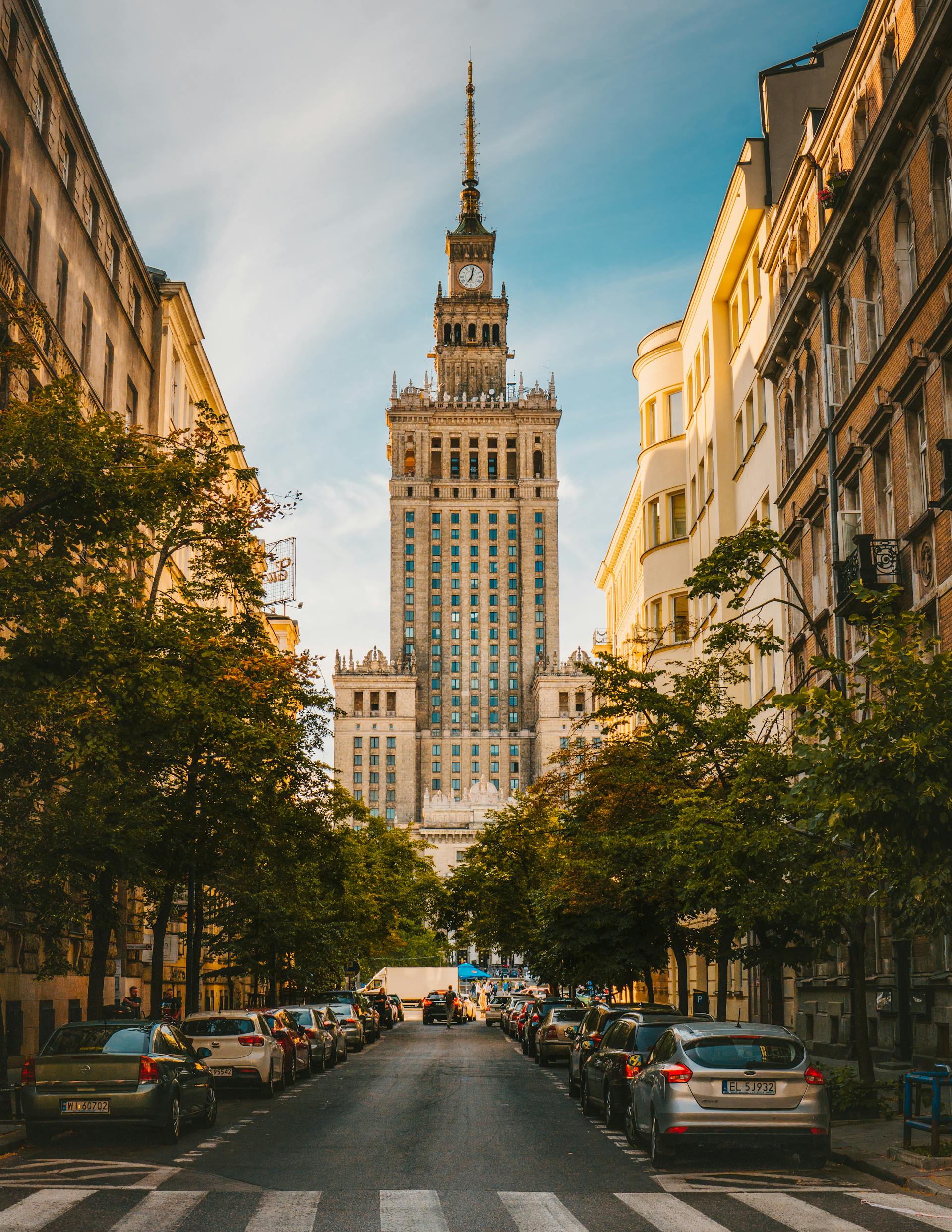
Lake Titicaca sits at 12,507 feet on the Peru-Bolivia border, and its deep blue water stretches to the horizon like an inland sea. I had been at altitude for a week by the time I arrived, and still the thin air caught me on the dock at Puno — a reminder that this lake operates at an elevation where most European ski resorts have not yet started. The colour of the water is what struck me first: a blue so saturated it looked artificial, as if someone had adjusted the contrast on reality and forgotten to save the original settings.
The Uros floating islands are the most famous attraction, and they deserve their fame despite the tourism that has reshaped them. Constructed entirely from totora reeds that must be constantly renewed — layers added on top as the bottom layers decompose into the lake — they are home to communities that have lived on the water for centuries. I stepped onto one and felt the ground give beneath me, soft and buoyant, the entire island shifting slightly with my weight. A woman showed me how the reeds are woven and replaced, how the islands are anchored to the lake bed with ropes, and how the floor of her home is rebuilt every few weeks. The ingenuity is astonishing. The persistence is humbling.
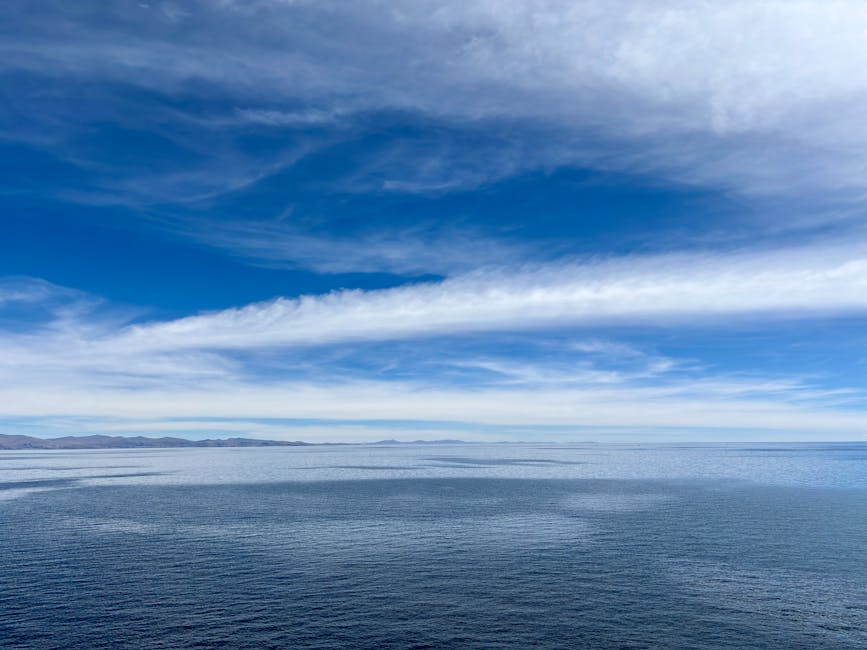
Taquile Island, reached by a longer boat ride, is a different experience — quieter, more authentic, and famous for textile traditions recognized by UNESCO. The men knit. This is not a novelty or a performance; it is a centuries-old tradition in which the quality and pattern of a man’s knitting communicates his marital status, his community standing, and his skill. I watched a man on Taquile knit a chullo — the traditional Andean hat with earflaps — with a speed and precision that would put any machine to shame, his fingers moving in patterns learned from childhood, and I thought about how many traditions the modern world has abandoned that this island has simply refused to let go.
Puno, the main gateway city, is functional rather than beautiful — a transit town with a corrugated-roof aesthetic that would not win architecture prizes. But the lake redeems everything. The light at this altitude is sharp and golden, the sunsets paint the water in impossible colours — tangerine, violet, a pink so intense it looks like an error — and the Andean communities around the shore maintain festivals that predate the Incas by centuries.
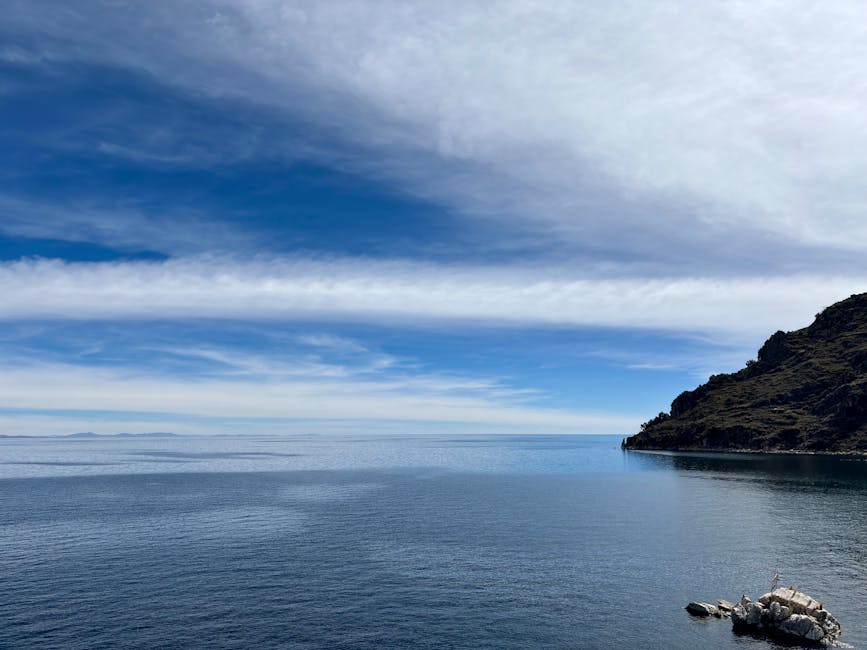
A homestay on Amantani Island, sharing meals with a local family, is one of Peru’s most authentic cultural experiences. The family I stayed with spoke Quechua at home, Spanish with me, and communicated the rest through food and gestures and the kind of warmth that does not require a shared language. Dinner was quinoa soup and fried trout from the lake, eaten by candlelight because the electricity on the island is intermittent, and the silence outside was so complete I could hear the lake lapping against the shore a hundred metres below.
The sunrise from Amantani’s Pachatata temple — a pre-Inca sacred site at the island’s summit — is one of those experiences that earns its superlatives. The lake turns from black to silver to blue as the sun clears the Bolivian mountains, and the light sweeps across the water like a hand drawing a curtain, and for a moment the altitude, the cold, the breathlessness — all of it becomes secondary to the sheer fact of being here, at the top of the world, watching the day begin on the highest navigable lake on Earth.

When to go: May through October for dry, sunny days. June through August are coldest but clearest. Nights are frigid year-round at this altitude — bring serious warm clothing, the kind you would pack for winter camping, not a mild chill.