
Huacachina
"An oasis in the desert that looks like a mirage — except it is real, and you can sandboard down it."
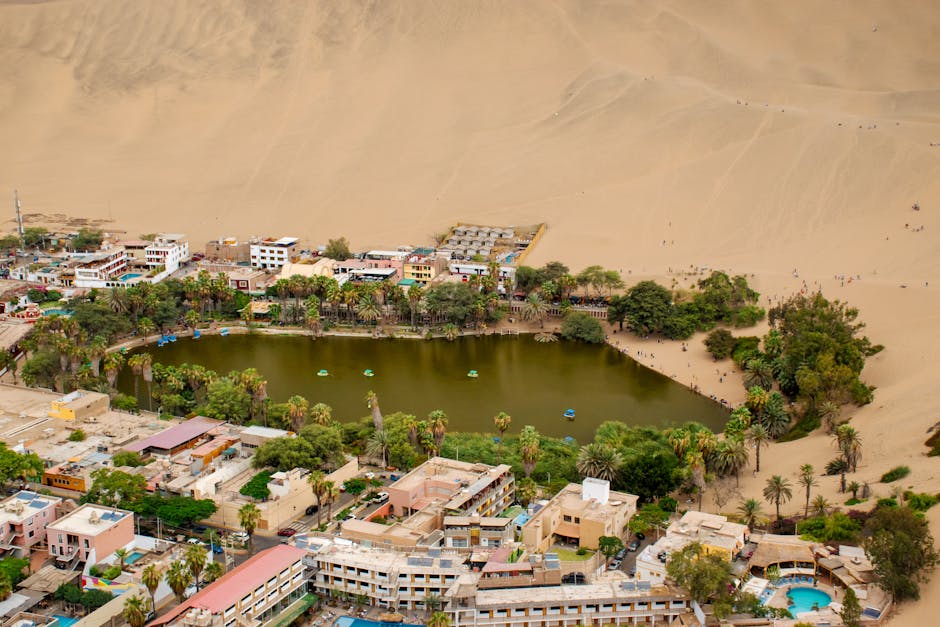
Huacachina is almost too perfect to believe. A small lagoon fringed by palm trees and huarango trees sits in a bowl of enormous sand dunes that rise hundreds of feet on all sides. I arrived from the coastal highway expecting something modest — a puddle, perhaps, with a few dunes for scale — and instead found a landscape so cinematic it felt like a set decorator had been given an unlimited budget and a brief that simply read: “oasis.”
The tiny settlement is really just a ring of hotels and restaurants around the water, and the scale is intimate enough to walk around in ten minutes. But the dunes change everything. I climbed to the top of the highest one in the late afternoon, sand pouring into my shoes with every step, and the view from the summit was worth the forty-minute slog: the oasis below, absurdly green and small, the desert stretching to the horizon in every other direction, the Pacific coast invisible but nearby, and the light doing what desert light does at that hour — turning the sand from yellow to gold to something approaching copper.
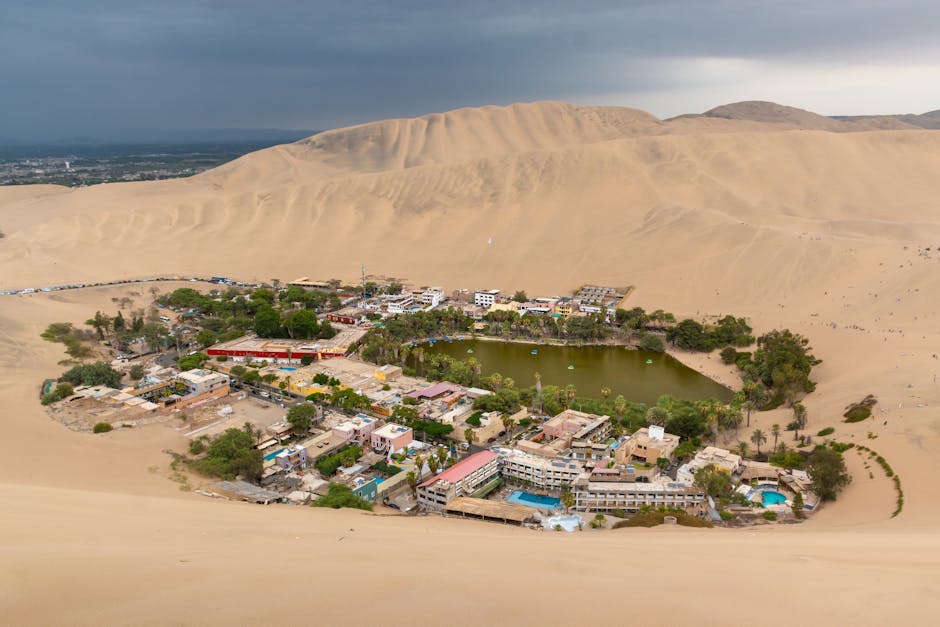
The main activities are exhilarating and simple. Dune buggy rides tear across the sand at improbable angles — the drivers, who have been doing this long enough to calibrate the exact threshold of terror that keeps tourists coming back, take you up slopes that should not be drivable and down drops that separate the screaming from the laughing. I was both. Sandboarding — lying face-first on a waxed board and sliding down steep slopes at speed — is the kind of activity that erases whatever adult dignity you arrived with, and the sand in your teeth afterward is the price of admission.
I stayed overnight, which I recommend. The day-trippers from Lima and Ica leave by sunset, and the oasis at night is something else entirely. The dunes go dark, the stars appear with the intensity that only a desert sky allows, and the lagoon reflects them in a mirror that doubles the universe. I sat on the terrace of a small restaurant with a pisco sour and the kind of silence that cities never achieve, and thought about how Peru keeps producing landscapes that should not exist but do.
The nearby town of Ica adds depth to the visit. The pisco bodegas — traditional distilleries where Peru’s national spirit is produced from Quebranta grapes — offer tastings that make the dune buggy rides feel like preparation rather than the main event. Peruvian pisco, unlike its Chilean cousin (a comparison that will start an argument in either country), is unaged, aromatic, and made from specific grape varieties that thrive in this desert climate. A tasting at a small family bodega, where the copper still has been in use for generations, is one of the quiet pleasures of the Peruvian coast.
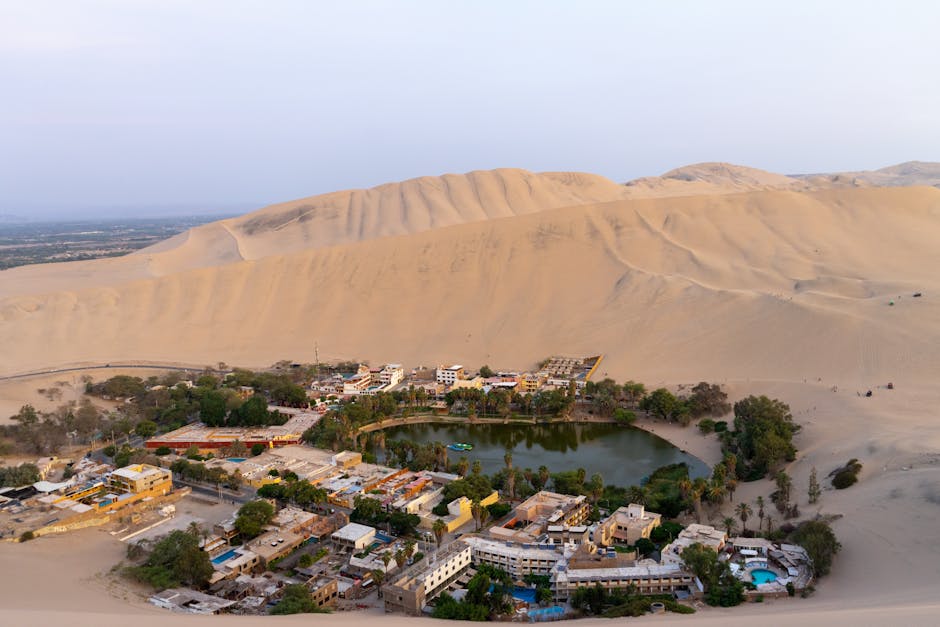
When to go: Year-round. The desert climate is dry and warm always. Afternoons can be windy — mornings and late afternoons are best for dune activities. Sunset from the top of the dunes is non-negotiable.