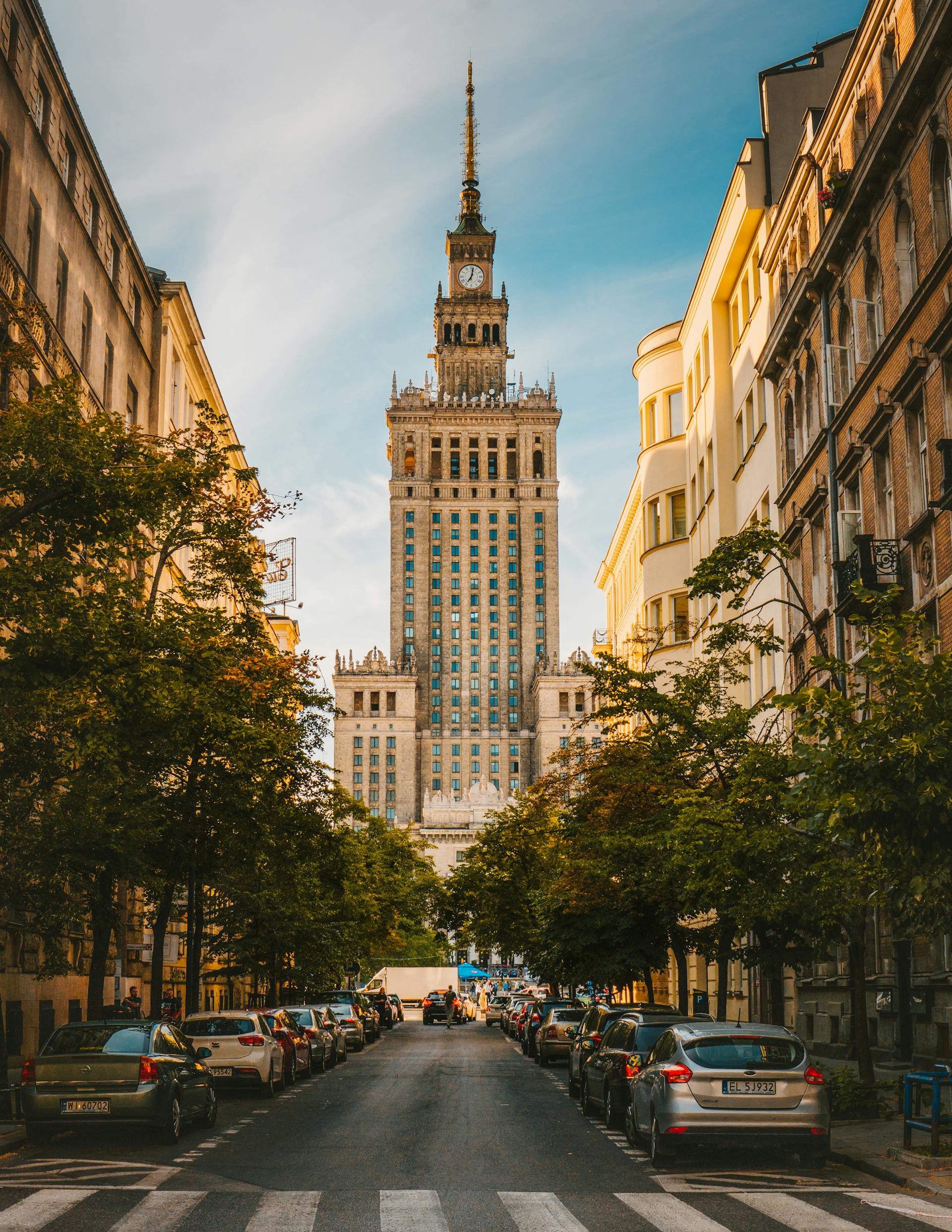
Cusco
"Cusco was the navel of the Inca world — and you can still feel the center of gravity."
Cusco sits at 11,150 feet, and the altitude hits you before the beauty does — though the beauty follows quickly. I stepped out of the taxi from the airport and immediately felt it: a tightness in the chest, a slight dizziness, the sensation of breathing through a straw. The hostel receptionist handed me coca tea without being asked, and I understood that this city has been welcoming altitude-stricken visitors for long enough to have the protocol down.
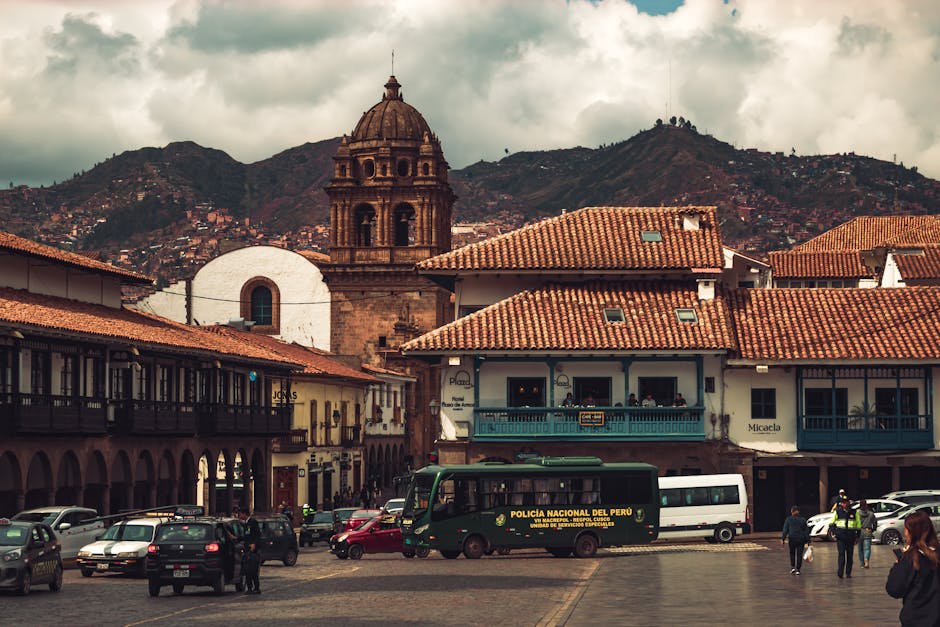
The Inca stone walls form the foundations of colonial churches and Spanish mansions, creating a layered city where two civilizations coexist in every block. I spent an afternoon walking the streets of San Blas, running my fingers along Inca stonework that fits so precisely a knife blade will not pass between the joins. The famous twelve-angled stone on Hatunrumiyoc street draws crowds, but the real pleasure is noticing how every wall in the old center tells the same story of impossible precision — the Incas built the foundations, the Spanish built on top, and both remain.
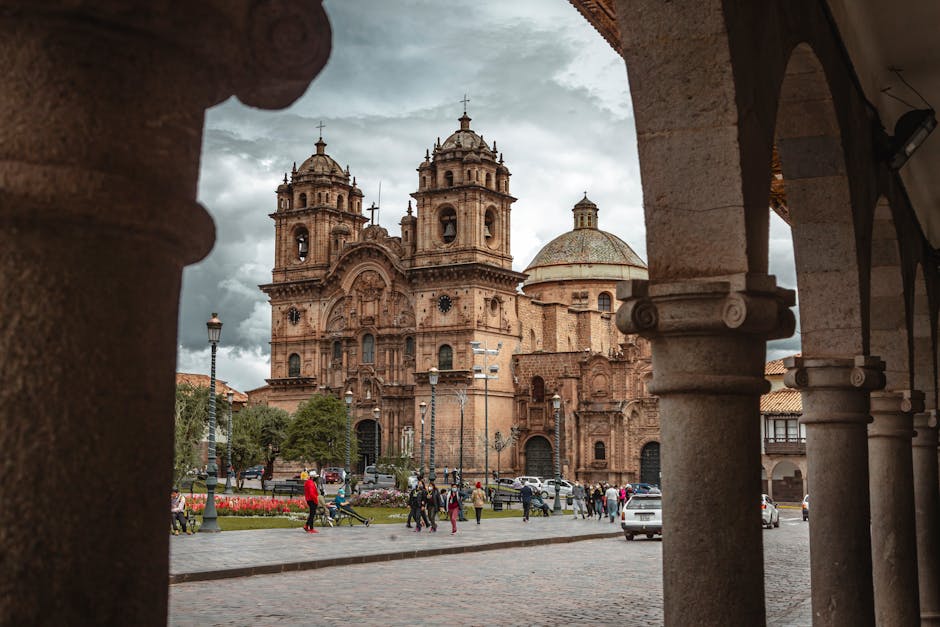
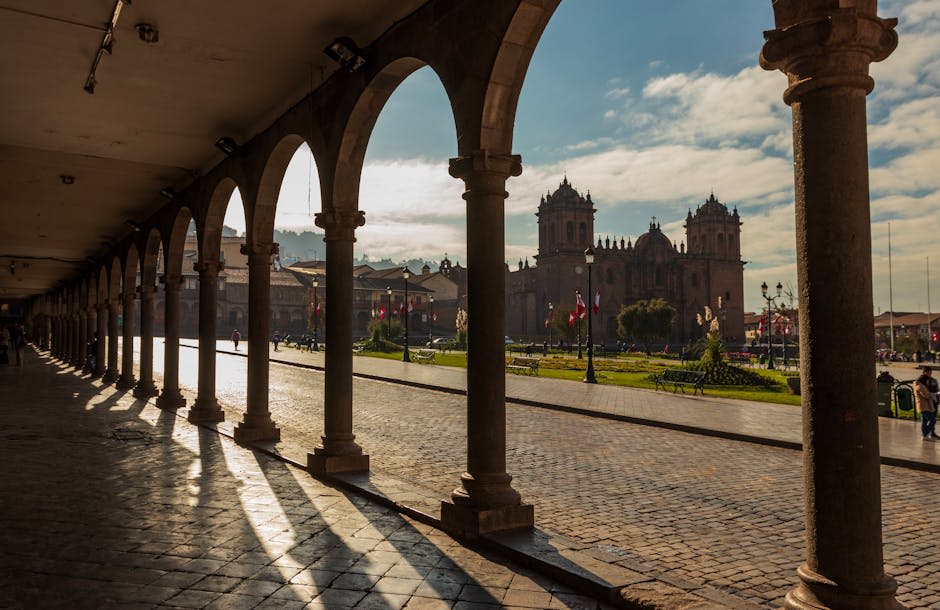
The Plaza de Armas is the heart, flanked by the cathedral and the Iglesia de la Compania, and at night it comes alive with a warmth that altitude and history should not be able to produce simultaneously. I sat on a bench watching families and tourists and stray dogs coexist in that particular Latin American way — the plaza as living room, as stage, as the place where a city performs itself for its own benefit.
Sacsayhuaman’s massive stone fortress overlooks the city, its blocks fitted so precisely that modern engineers still argue about how it was done. I walked the ramparts at sunset, Cusco spread below in a sea of terracotta and church towers, and a llama wandered past with the indifference of an animal that has seen every tourist who ever came here and found none of them particularly interesting.
The San Pedro Market overflows with fresh juices, enormous avocados, and plates of cuy for the adventurous. I ate there every morning — a plate of lomo saltado for three dollars, a fresh papaya juice, the noise and colour of a market that serves locals first and tourists incidentally. The women in traditional dress selling herbs and potions in the back aisles were not performing for cameras; they were conducting the same commerce their grandmothers conducted, and the continuity was more moving than any museum.
Cusco is a place to acclimatize — both physically and culturally — before heading deeper into the Sacred Valley or setting off toward Machu Picchu. Do not rush it. The city rewards slowness, and the altitude demands it.
When to go: May through October for dry season. June hosts the spectacular Inti Raymi festival — the Festival of the Sun — which fills Sacsayhuaman with ceremony and colour. The rainy season brings fewer crowds and lower prices, and the green hillsides are worth the afternoon showers.