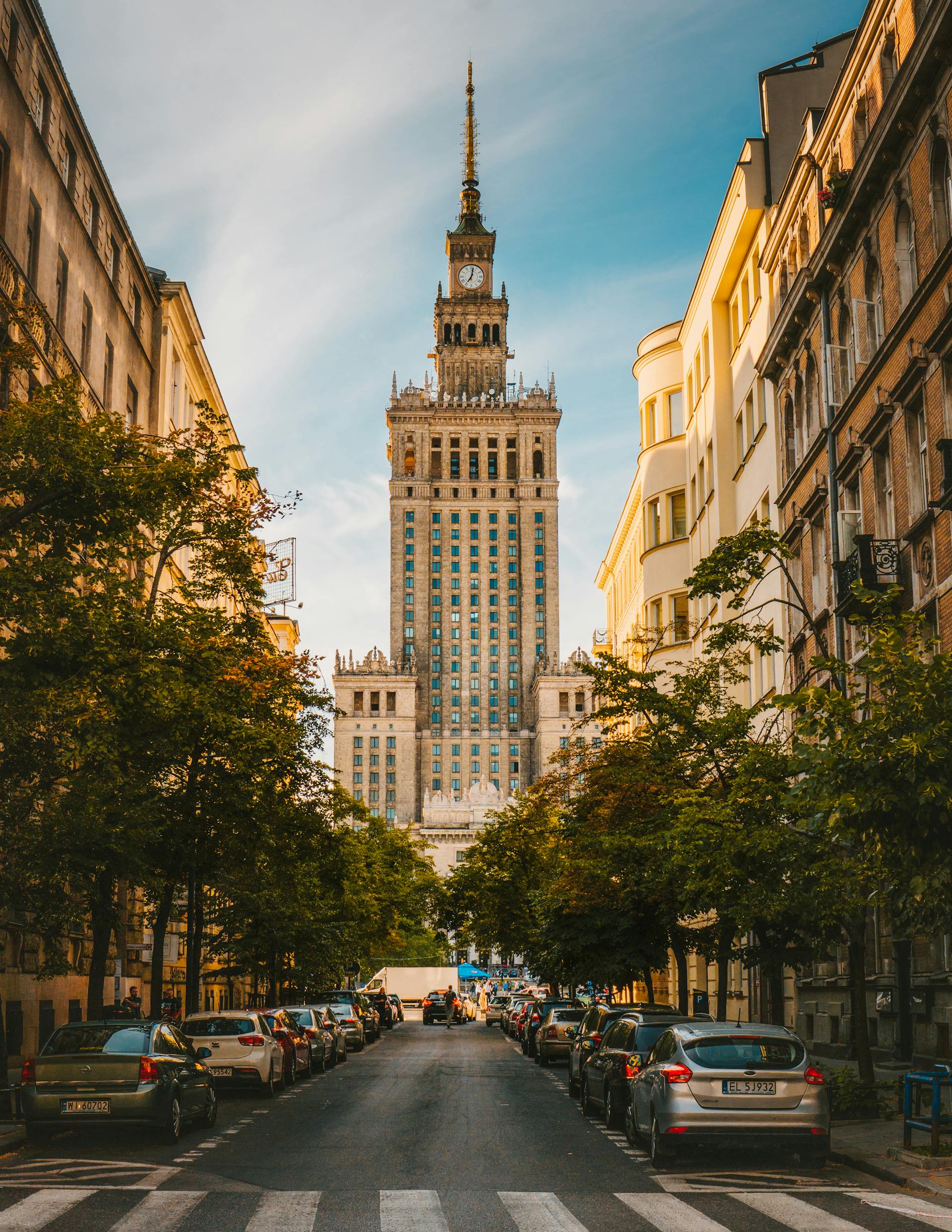
Colca Canyon
"The condor rises on the morning thermals and suddenly you understand why the Incas worshipped it."
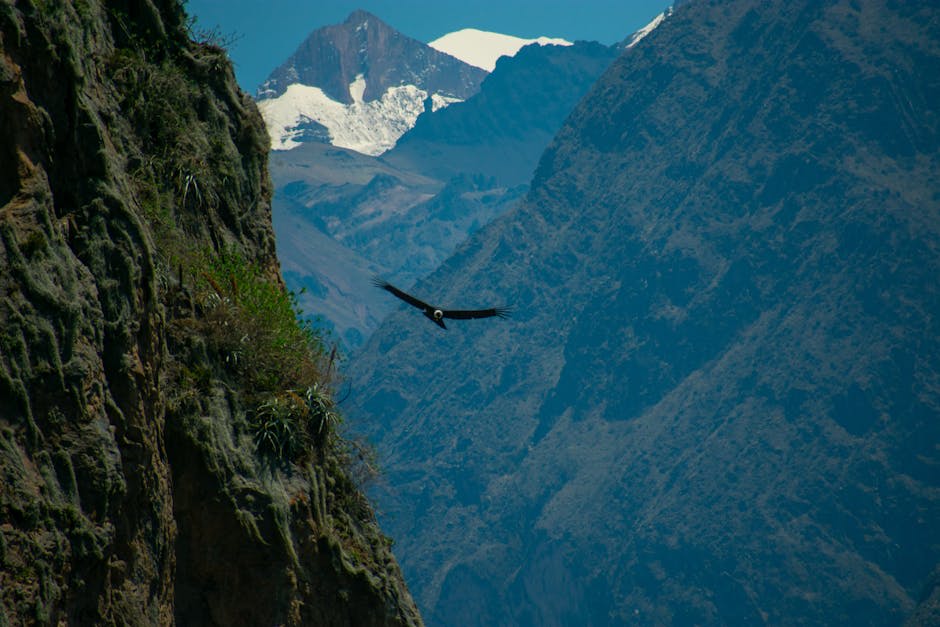
Colca Canyon is twice as deep as the Grand Canyon, and the scale is staggering. But it was not the depth that undid me — it was the condors. I arrived at the Cruz del Condor viewpoint at six in the morning, when the canyon was still in shadow and the air was so cold my fingers ached around the coffee cup. And then the first condor rose from the depths on the morning thermals, rising past the viewpoint at eye level, and the wingspan — ten feet, easy — blocked out a section of the sky that made me recalibrate my understanding of what a bird can be.
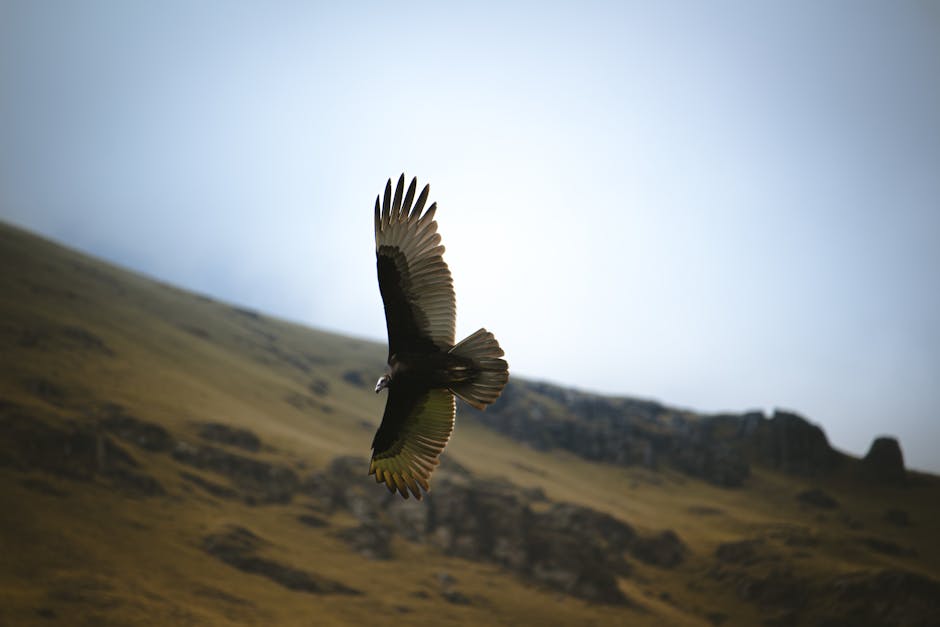
They kept coming. Three, then five, then eight condors riding the updrafts in slow, effortless circles, their feathers spread like fingers, the morning light catching the white collar around their necks. Nobody spoke. A group of tourists who had been chatting and posing for selfies went silent. The birds commanded it. They are the largest flying birds in the Western Hemisphere, and watching them fly is watching something that has been happening here since before the Incas, before the pre-Inca Collaguas, before anyone was here to name the canyon or the birds or the thermals that carry them.
Beyond the condors, the canyon holds pre-Inca terraces still farmed today — stepped agricultural platforms that cascade down the canyon walls in a geometry so precise it looks designed by computer but was built by people who understood water and soil and gradient with an intimacy that modern agriculture has largely abandoned. Villages like Yanque and Chivay cling to the canyon’s upper slopes, their colonial churches and traditional festivals part of a daily life that tourism has touched but not transformed.
The hot springs at Chivay were exactly what my body needed after a long day of hiking. I sat in mineral-rich water at dusk, the canyon walls rising dark above, the stars emerging one by one in a sky that had not yet seen enough light pollution to dim them, and the water was the perfect temperature — not the scalding Japanese onsen nor the lukewarm tourist trap, but the Goldilocks heat that makes you close your eyes and forget that your legs exist.
Multi-day treks descend to the canyon floor and the oasis settlement of Sangalle — a cluster of basic lodges around swimming pools fed by natural springs, surrounded by cactus and the towering canyon walls. The descent takes three hours; the ascent back up takes considerably longer and will teach you things about your cardiovascular system that you may not have wanted to know. But the oasis at the bottom, with its absurd contrast of palm trees and swimming pools in a canyon deeper than anything in North America, is worth every gasping step on the return.
The drive from Arequipa crosses high-altitude pampas where vicunas graze in herds that scatter and regroup like schools of fish. The road climbs above 15,000 feet, and at the highest pass a cairn marks the spot where you can see three volcanoes simultaneously — Misti, Chachani, and Ampato — their snow-capped peaks floating above the brown pampas like something from a planet with better scenery.
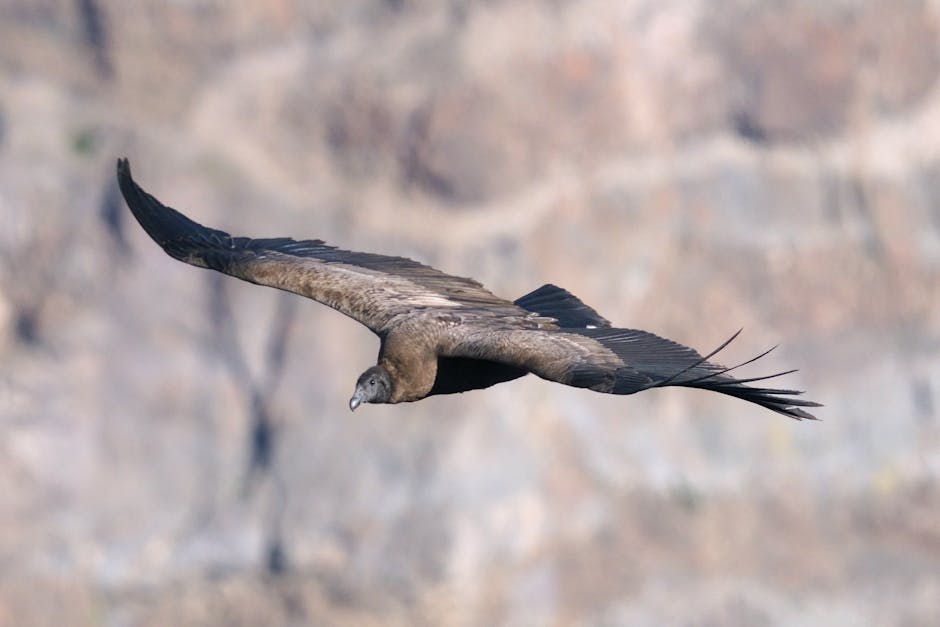
When to go: March through November. Condors are visible year-round but best from June through September when dry, clear skies make the thermals strongest. The drive from Arequipa takes three to four hours — leave early and stop for the vicunas.