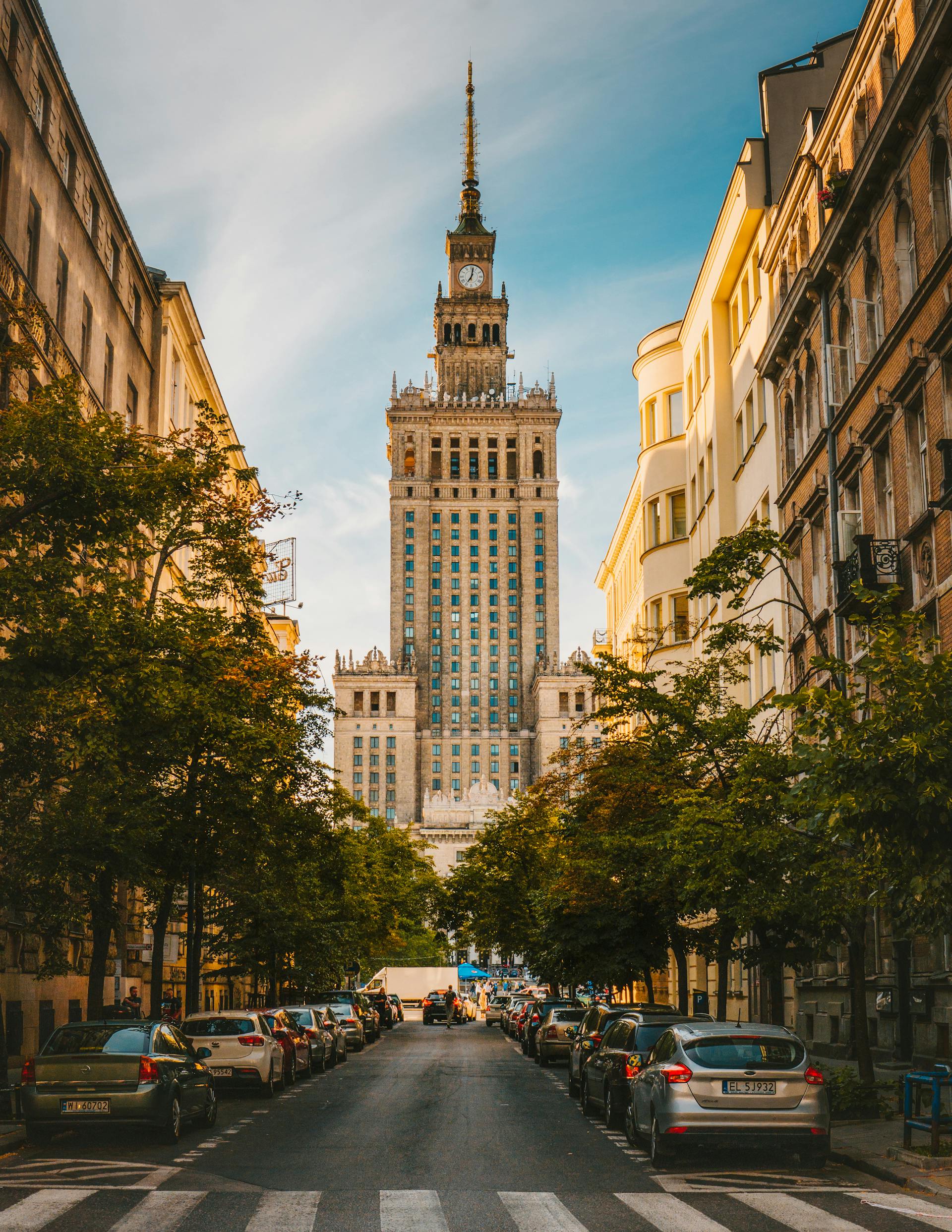
Arequipa
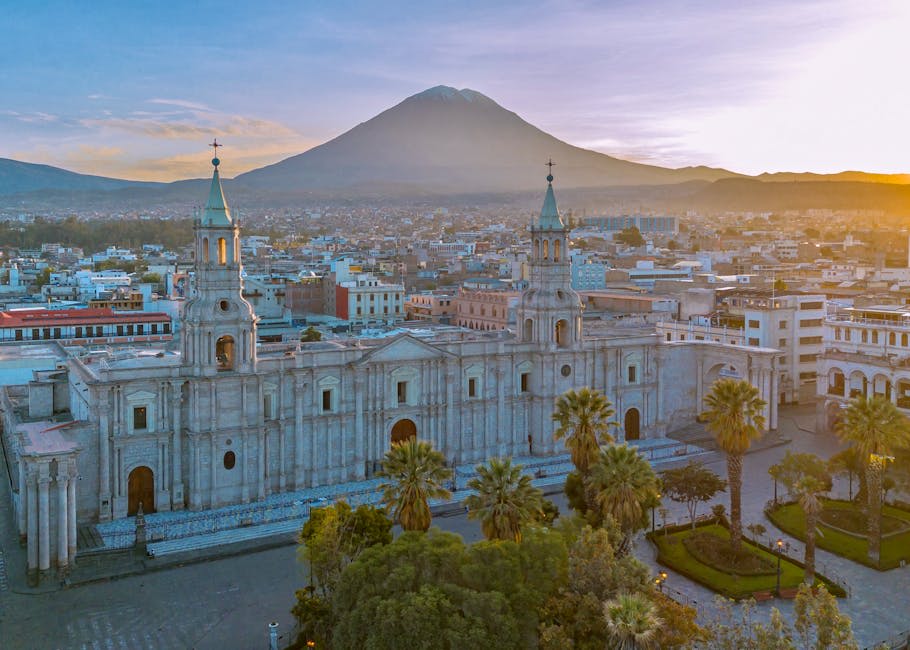
"Arequipa is carved from the volcano that watches over it — the city and the mountain are one."
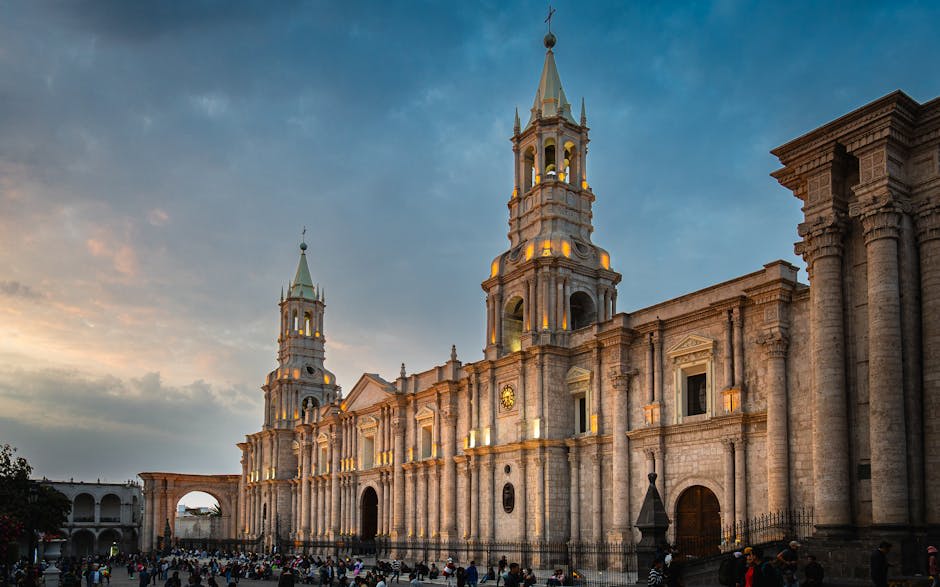
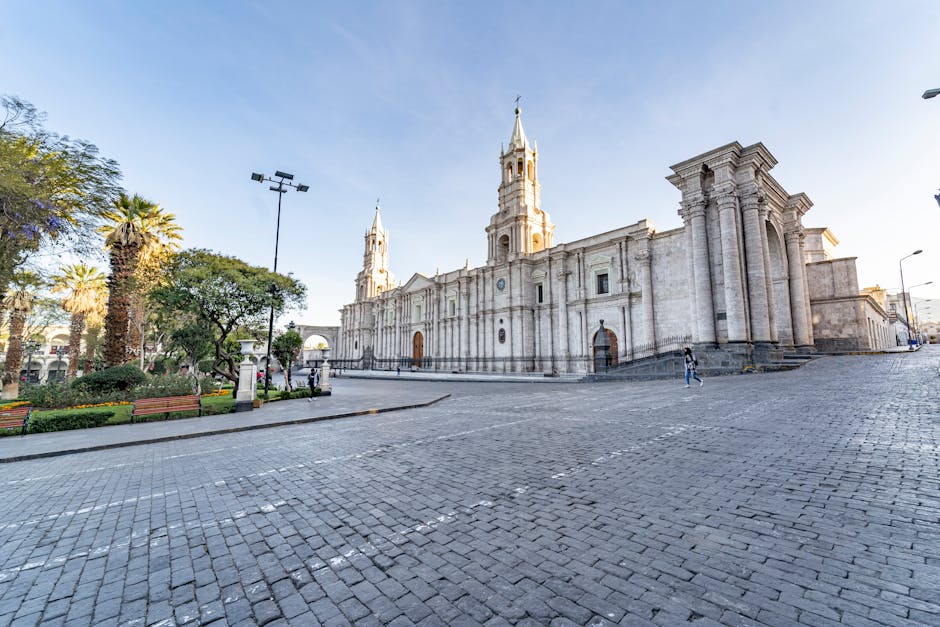
Arequipa glows. The city’s historic center is built from sillar — white volcanic stone quarried from the surrounding mountains — giving it a luminous quality that earned its nickname, La Ciudad Blanca. I arrived from Cusco expecting a pleasant colonial city and found something closer to a revelation. The Plaza de Armas, flanked by the cathedral and framed by El Misti volcano, is one of South America’s most beautiful public squares, and I say this having spent years in a continent that takes its plazas seriously.
The Santa Catalina Monastery stopped me in my tracks. A city within a city, founded in 1579, its cloistered streets open to visitors in a maze of cobalt blue, terracotta red, and sunlit courtyards where nuns once lived in cells that ranged from austere to surprisingly comfortable depending on the wealth of their families. I spent two hours wandering its corridors, each turn revealing a new colour, a new angle of light, a new courtyard with a fountain and bougainvillea, and thought: this is one of the most extraordinary places I have visited in South America, and almost nobody told me about it.
Arequipa’s cuisine is considered Peru’s finest regional kitchen, and after Lima’s cosmopolitan fireworks, the contrast is instructive. Where Lima fuses and innovates, Arequipa preserves. The picanterias — traditional restaurants that have served the same recipes for generations — are institutions. Rocoto relleno, a stuffed spicy pepper baked with cheese and ground meat, has a heat that creeps up on you with the patience of El Misti itself. Chupe de camarones — a rich river shrimp chowder — is comfort food elevated to art. Adobo arequipeno, a pork stew served at dawn on Sunday mornings, brought me to a picanteria at seven in the morning where families were already eating and drinking chicha de jora, and the scene felt like something from a previous century that had simply refused to end.
The city also serves as the gateway to Colca Canyon and the launching point for climbs up El Misti. At 7,660 feet, it is lower than Cusco and an excellent place to acclimatize while eating extraordinarily well — a combination that makes the altitude adjustment feel less like medicine and more like reward.
The Yanahuara viewpoint at sunset is mandatory. You stand beneath colonial arches and look across the city to El Misti and Chachani, the volcanoes turning from white to gold to pink in the dying light, and the sillar buildings below catching the last rays and glowing as if lit from within. I watched with a group of Arequipenos who come here every evening, because when you live beneath a volcano, you develop a relationship with the sky that tourists can only approximate.
When to go: April through November for dry, sunny weather. Arequipa enjoys over 300 days of sunshine annually — one of the sunniest cities in Peru. January through March brings afternoon rain but also fewer visitors and greener surroundings.