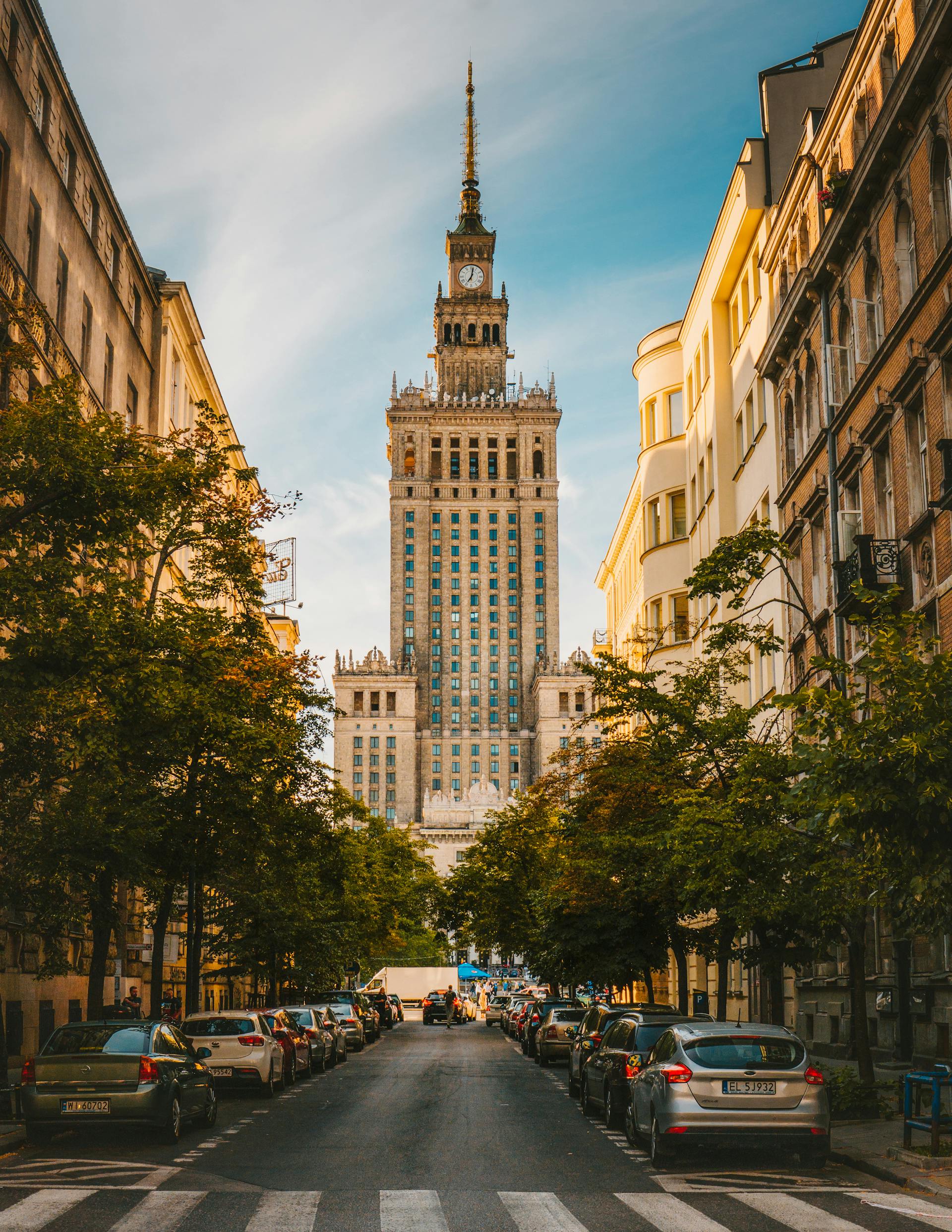
Amazon (Iquitos)
"The jungle is not a backdrop here — it is the main character, the setting, and the story."
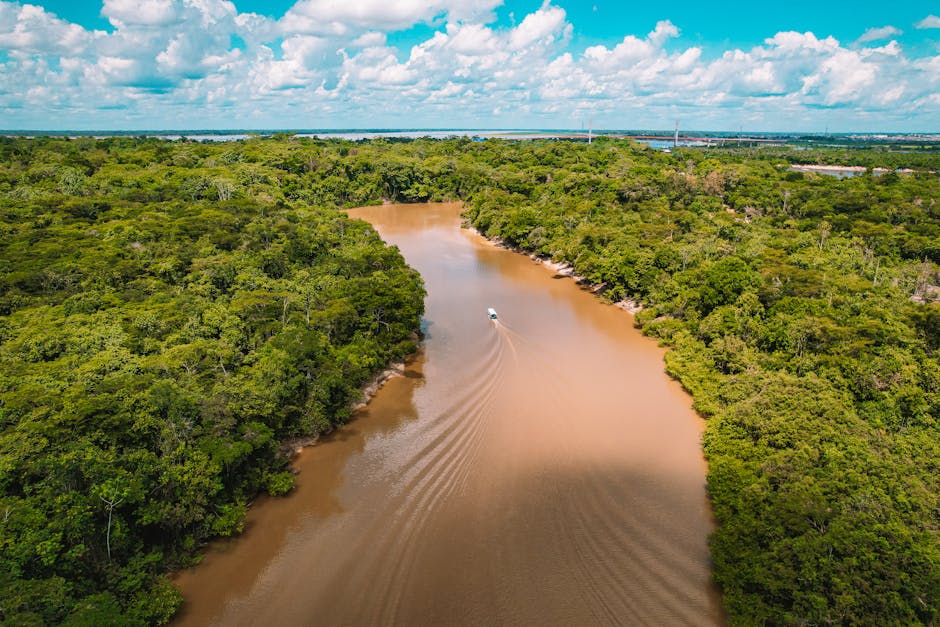
Iquitos is the world’s largest city with no road access — you fly in or arrive by river, and that isolation is the point. I landed from Lima and the heat hit me on the tarmac like a wall of wet wool. After the thin, dry air of Cusco, the Amazon’s humidity felt like breathing through a damp towel, and I loved it immediately. The air smells of rain and green things and diesel and something sweet that I never identified but that became, over four days, the smell of the jungle itself.
The city retains echoes of its rubber-boom past in tiled mansions along the malecon. At the turn of the twentieth century, rubber barons built European-style palaces here with tiles imported from Portugal and iron balconies shipped from France, and the contrast between that faded grandeur and the chaotic tropical city that surrounds it is pure Iquitos — a place that has always been both more and less than it appears.
The Belen market is an assault on every sense. Chaotic, fragrant, and completely overwhelming, it sells everything from jungle fruits to traditional remedies to live animals to things I chose not to identify. A woman handed me a cup of aguaje juice — from a palm fruit that tastes like nothing else on earth — and I drank it standing in a puddle while someone’s parrot screamed from a perch above. This is not curated tourism. This is a city that lives at the edge of the largest rainforest on the planet and has made its peace with the chaos.
Multi-day lodge stays take you deep into primary rainforest where the biodiversity is staggering. I spent three nights at a lodge on the Napo River, and the inventory of what I saw reads like a fever dream: pink river dolphins surfacing at dawn, their improbable colour catching the first light; macaws gathering at clay licks in flashes of blue and red; a sloth moving through the canopy with a slowness that felt philosophical; caimans whose eyes reflected our flashlights during the night boat ride like paired red stars on the water.
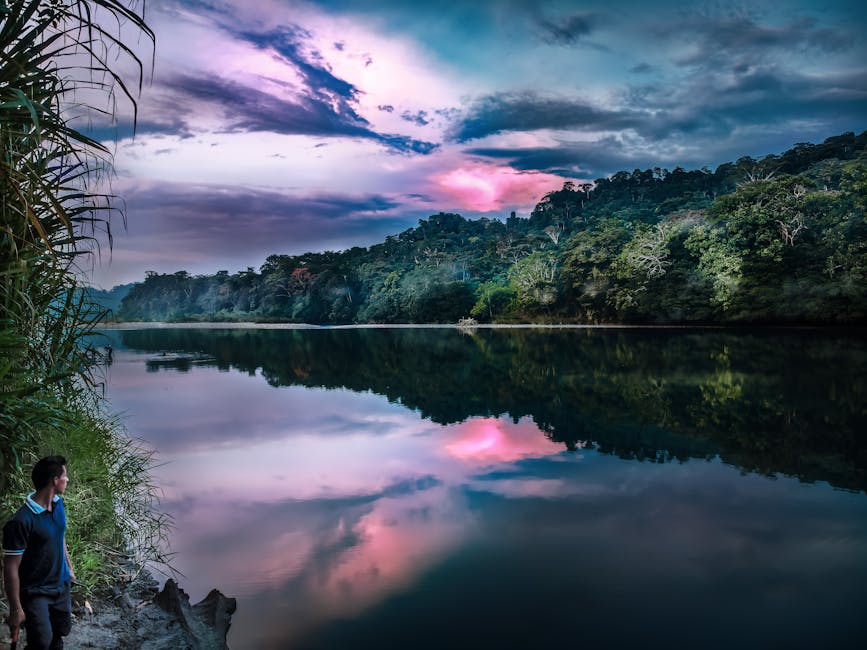
River excursions to Pacaya-Samiria National Reserve, one of Peru’s largest protected areas, offer some of the best wildlife viewing in the Amazon. The flooded forest during high water season is otherworldly — you canoe through a drowned cathedral of trees, the water black and still, the canopy filtering the light into green shafts. The guide pointed out a giant river otter and I watched it eat a fish with a methodical efficiency that suggested it had done this several million times before and found the routine satisfactory.
The night sounds of the jungle are a symphony with no conductor. Lying in a mosquito-netted bed, listening to the frogs and insects and unidentifiable rustlings that constitute the Amazon’s nocturnal soundtrack, I thought about how this ecosystem has been operating at this intensity for millions of years, indifferent to human schedules and opinions, and that my presence here was a privilege the forest had not requested.
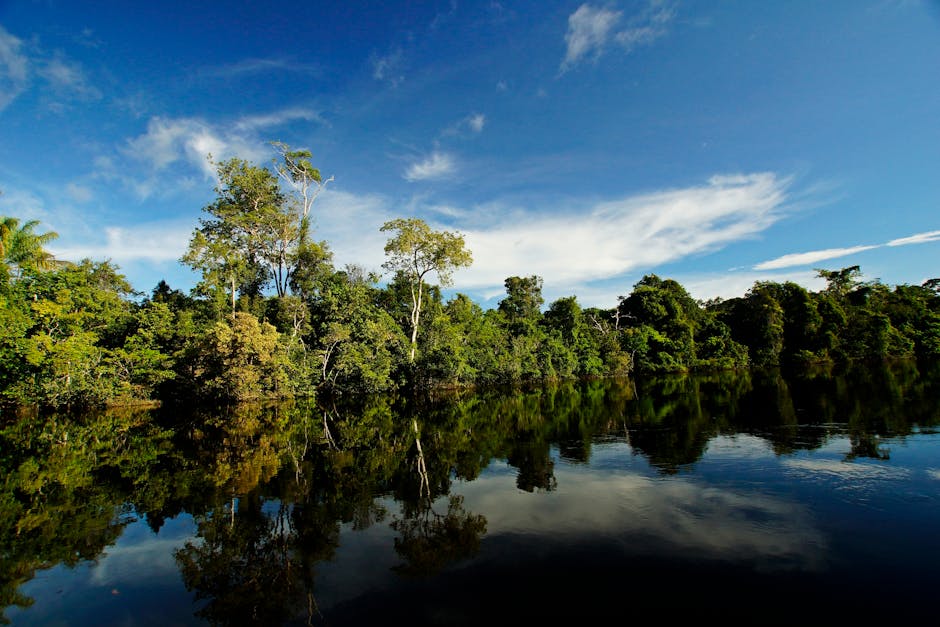
When to go: June through October for lower water levels and easier trail access. December through May is flood season — canoe exploration of the flooded forest is magical but trails are submerged. Both seasons have their merits; the jungle never stops performing.