Peru's sunniest beach town where warm Pacific water, fresh ceviche, and surf culture converge year-round.
There’s a particular quality of light in Mancora that I’ve only encountered in a handful of places — warm, slightly bleached, the kind that makes everything look like a memory even while it’s happening. We arrived on a night bus from Piura, tumbling onto the main drag, Avenida Piura, at six in the morning with stiff necks and sand already in our shoes from somewhere.
The Beach Moves Slowly Here
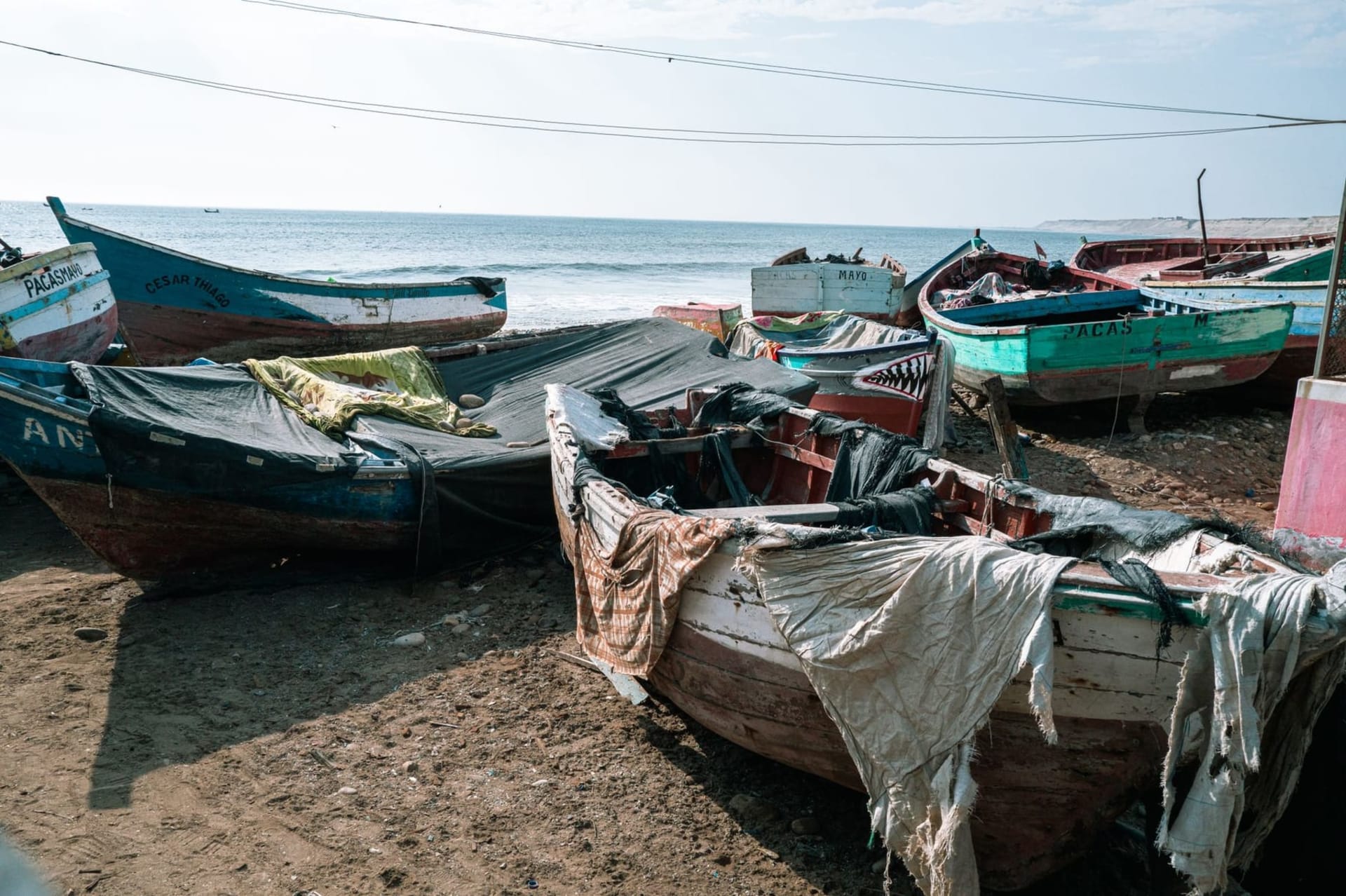
Mancora runs on a rhythm that has nothing to do with clocks. By seven, the fishermen had already come back from their first run and were spreading nets on the sand near the pier at the northern end of the beach. Lia bought a bag of warm chicharrón de pescado from a woman with a propane burner and a folding table, and we sat on the seawall eating it with our fingers while pelicans worked the waterline.
The Pacific here is the warmest stretch of Peru’s coast — a quirk of the El Niño current that turns this otherwise arid desert shore into something almost Caribbean. The water was twenty-four degrees when we swam, clear enough to see your feet, gentle enough for long floats. We stayed in longer than we meant to both days.
Ceviche Before Noon, Always
On Calle Las Olas, running parallel to the beach, there’s a cluster of cevicherías that open by ten. I sat at one of the plastic tables outside El Punto and ordered the mixto — white fish, octopus, and shrimp in a leche de tigre that hit the back of the throat with lime and ají amarillo. The corn was enormous, the kernels fat and starchy, nothing like French corn. I had two glasses of chicha morada while I read. It cost less than a coffee back home.
What surprised me was the tuna. I’d expected the standard corvina and sole, but the fishermen here pull yellowfin tuna in the morning, and by eleven it was on the plate as tiradito — thin slices in a yellow chili sauce, barely dressed, barely cooked. One of the quietly perfect things I’ve eaten.
Surf and Quiet Hours
The surf break at Los Órganos, a short mototaxi ride south, is where the serious local surfers go in the afternoon when the wind picks up. We watched from the rocks above. The riders were mostly Peruvian kids, no older than fifteen, reading the sets with the casual confidence of people who grew up here.
Back in town by dusk, Avenida Piura fills with smoke from the grills — anticuchos, whole fish wrapped in foil, corn roasting on open coals. The street gets loud and smells like charcoal and sea salt. That is, I think, the essential Mancora experience.
When to go: The dry season runs November through March, when winds are calm and the water is warmest — the peak of both surf season and ceviche season arriving together. April sees the odd shower but far fewer visitors, which is its own kind of appeal.