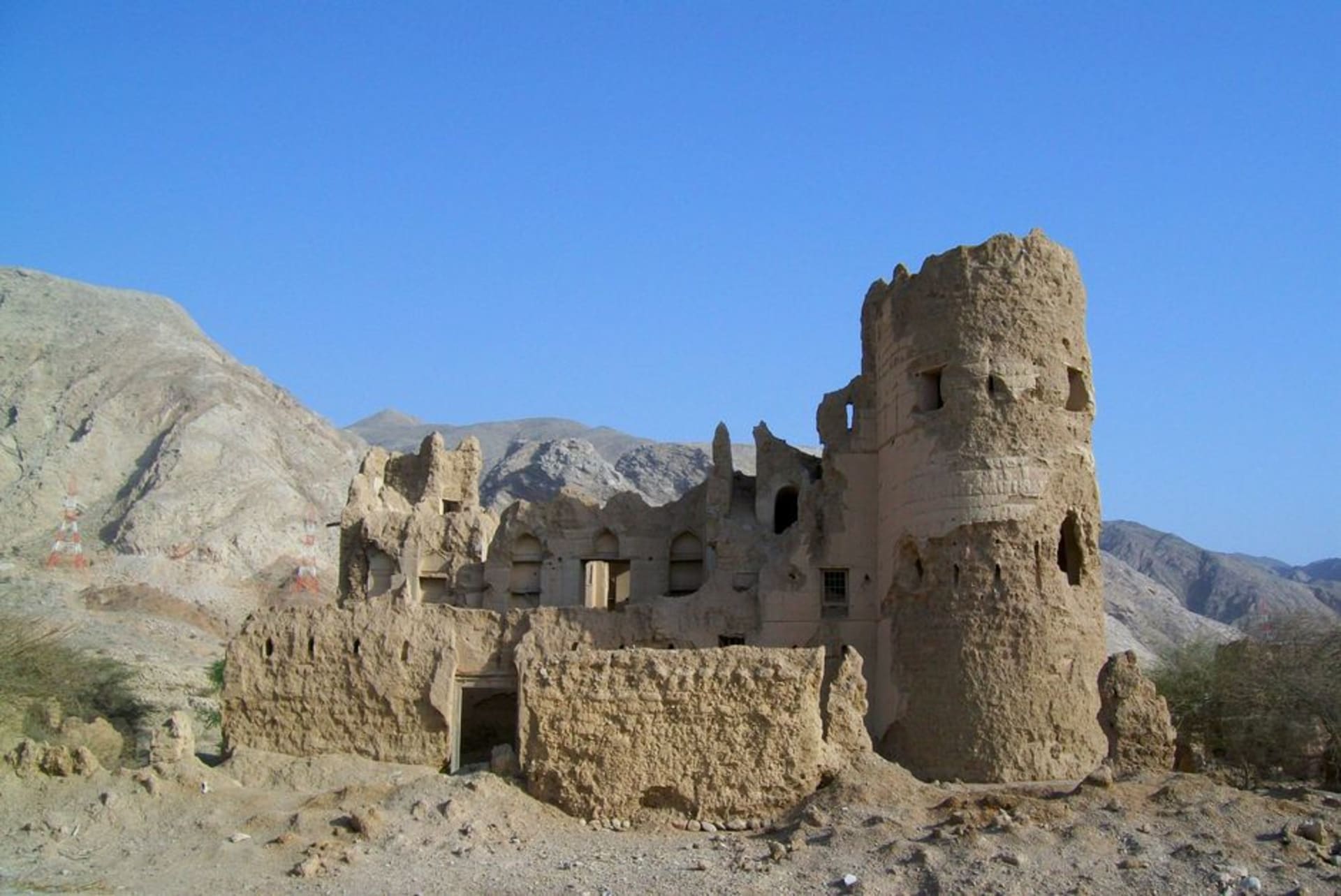
Tanuf Ruins
"A village that was never allowed to be rebuilt, and never quite disappeared either."
A village leveled by the Sultan's air force in 1956 and never rebuilt, left standing as rubble above a spring-fed wadi that still runs green.
Most of the ruins I’d seen in Oman up to this point were ruins by neglect — mud-brick towns abandoned for better plumbing, left to erode at their own pace. Tanuf is different, and once I understood why, I couldn’t look at the place the same way again.
What Happened Here
In the 1950s, Tanuf was a center of the Jebel Akhdar rebellion, resistance against the Sultan’s rule that drew support from the Imamate movement based in the interior. In 1956, and again more decisively in 1959 with British RAF assistance, the village was bombed. Old Tanuf was flattened, its residents relocated to a new village nearby, and the ruins were left where they fell — not rebuilt, not cleared, essentially frozen as a visible consequence. I hadn’t known any of this before arriving, and the guide at the small parking area told me the story with a flatness that made it land harder than outrage would have.
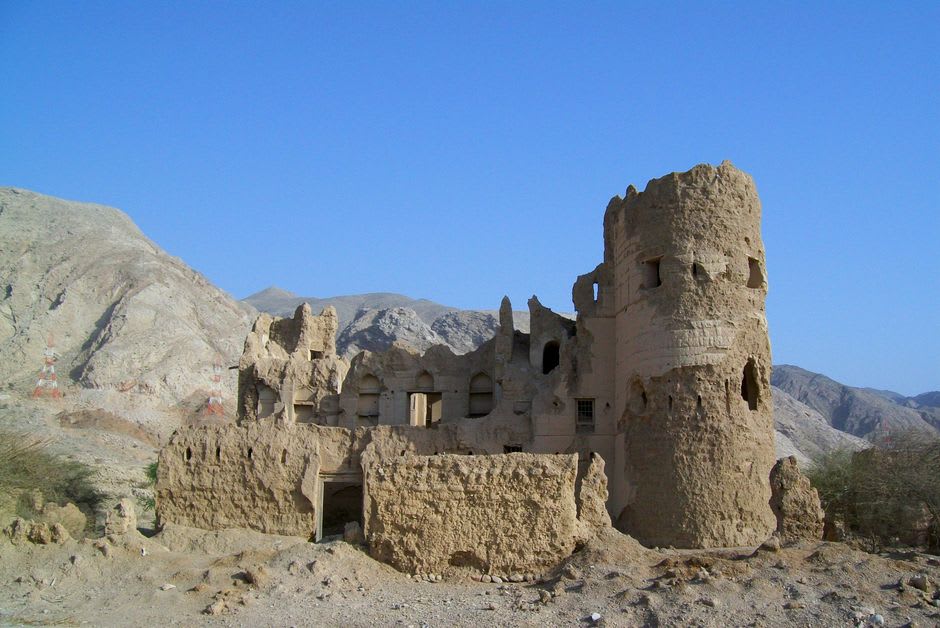
Walking through it now, the destruction reads almost like erosion at first — collapsed walls, roofless rooms, doorways leading into rubble — and it takes a moment standing among it to register that this wasn’t centuries of slow decay. Some of these walls came down in a single afternoon.
The Wadi That Doesn’t Care
Below the ruins, Wadi Tanuf runs green and cold, fed by springs that never stopped despite everything above them. Locals still come to swim in the pools closer to the village, and the contrast is jarring in a way I found hard to articulate at the time — teenagers doing cannonballs into turquoise water fifty meters from a bombed-out mosque, both things simply true at once, neither canceling the other out. Lia and I sat on a flat rock above one of the pools and ate oranges we’d bought from a roadside stall in Nizwa, and it took a long while before either of us said anything.
Further up the wadi, past where most day visitors stop, the canyon narrows and the pools get more private, shaded by fig trees growing straight out of the rock face. I didn’t swim — the water in July was colder than I expected, and I hadn’t planned for it — but I put my feet in for a long time.
Standing With It
There’s no plaque with an extended account of the rebellion at the ruins themselves, no museum framing. You’re left mostly with your own reaction to broken walls and a spring that outlasted the reason for their breaking. I’ve visited plenty of historical sites in Oman that ask you to admire craftsmanship across centuries. Tanuf asked something different — just to notice that not every ruin here is old by accident.
When to go: October through April for comfortable hiking temperatures around the ruins; the wadi pools themselves are swimmable nearly year-round, though summer afternoons bring crowds from Nizwa looking to cool off.