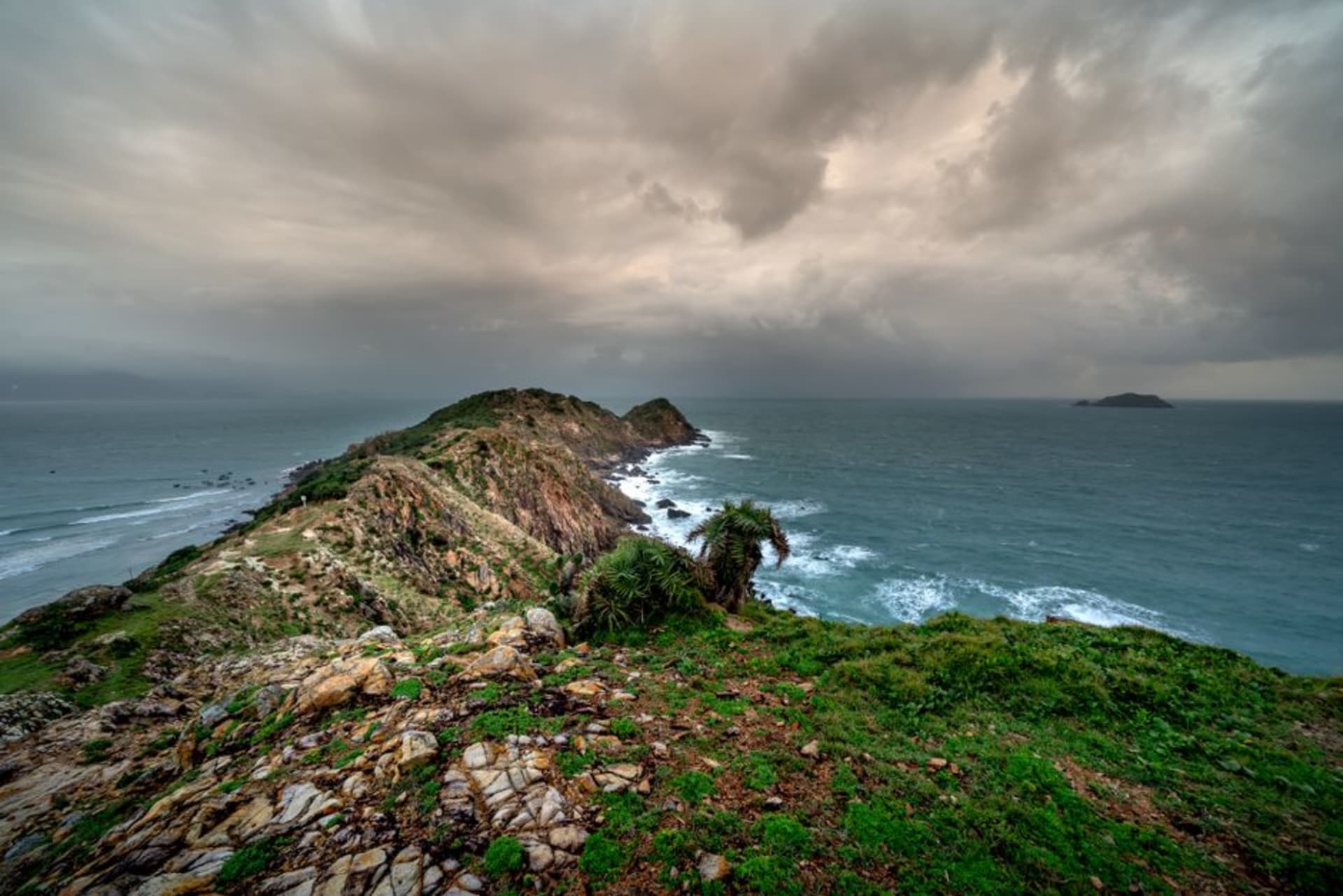
A jagged volcanic islet just off Muscat's harbour, better known to divers as Shark Island for the reef sharks patrolling its drop-offs.
You can see Fahal Island from the Muscat corniche on a clear day — a dark, uneven wedge of rock sitting a few kilometers offshore, close enough to look walkable and far enough to be entirely its own world underwater. Divers here don’t call it Fahal. They call it Shark Island, and after one dive I understood why nobody bothers with the official name.
A Short Boat Ride, A Different Ocean
The crossing from Muscat’s marinas takes maybe twenty minutes, which makes Fahal one of the most convenient serious dive sites in the Gulf of Oman — no liveaboard required, no early flight to a remote coast. What you get for that short ride is a sudden change in the water itself: the harbour’s murk gives way to clean blue, and the island’s underwater cliffs drop away steeply into depths that pull in pelagic life you don’t see closer to shore.
Why Divers Keep Coming Back
White tip and occasionally grey reef sharks cruise the deeper ledges on the island’s northern side, usually unhurried and uninterested in the divers watching them. Between July and September, when nutrient-rich water pushes in from the Arabian Sea, the visibility drops but the marine life multiplies — trevally in dense, wheeling schools, eagle rays gliding past the drop-off, and on a good day, whale sharks passing through the channel. Our dive guide, a Muscat native who’d been diving Fahal for over a decade, still checked his gauge and grinned every time something big appeared out of the blue.
Above the Waterline
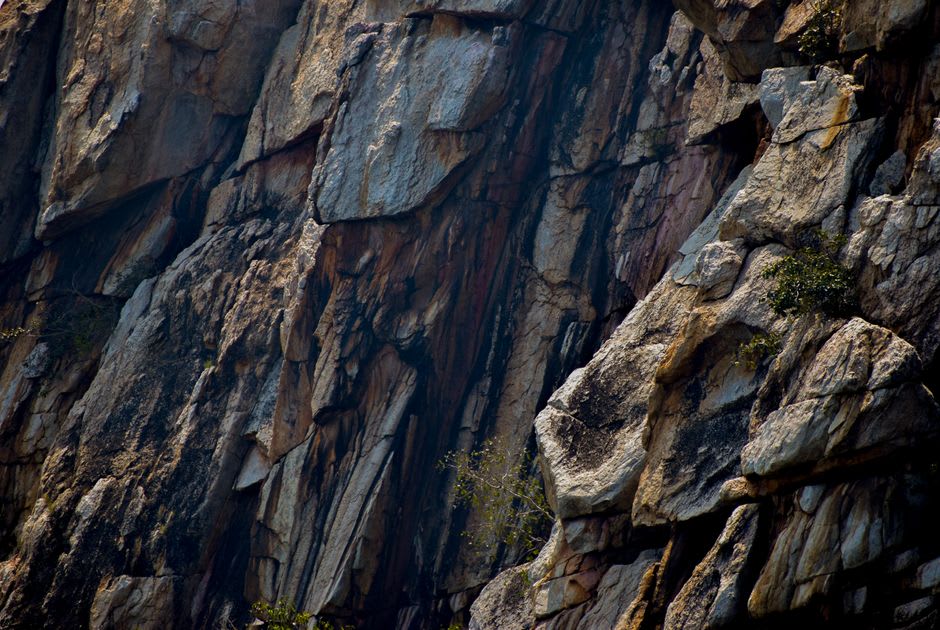
Fahal itself is uninhabited and largely off-limits for landing, a stark outcrop of volcanic rock with almost no vegetation and a colony of seabirds that make their displeasure known if a boat gets too close to the cliffs. We circled it slowly after our second dive, close enough to see the layered rock strata and a few bold gulls diving at the surface for fish.
When to go: Year-round for diving, though visibility is best from October to March. July to September brings richer marine life but choppier, greener water.