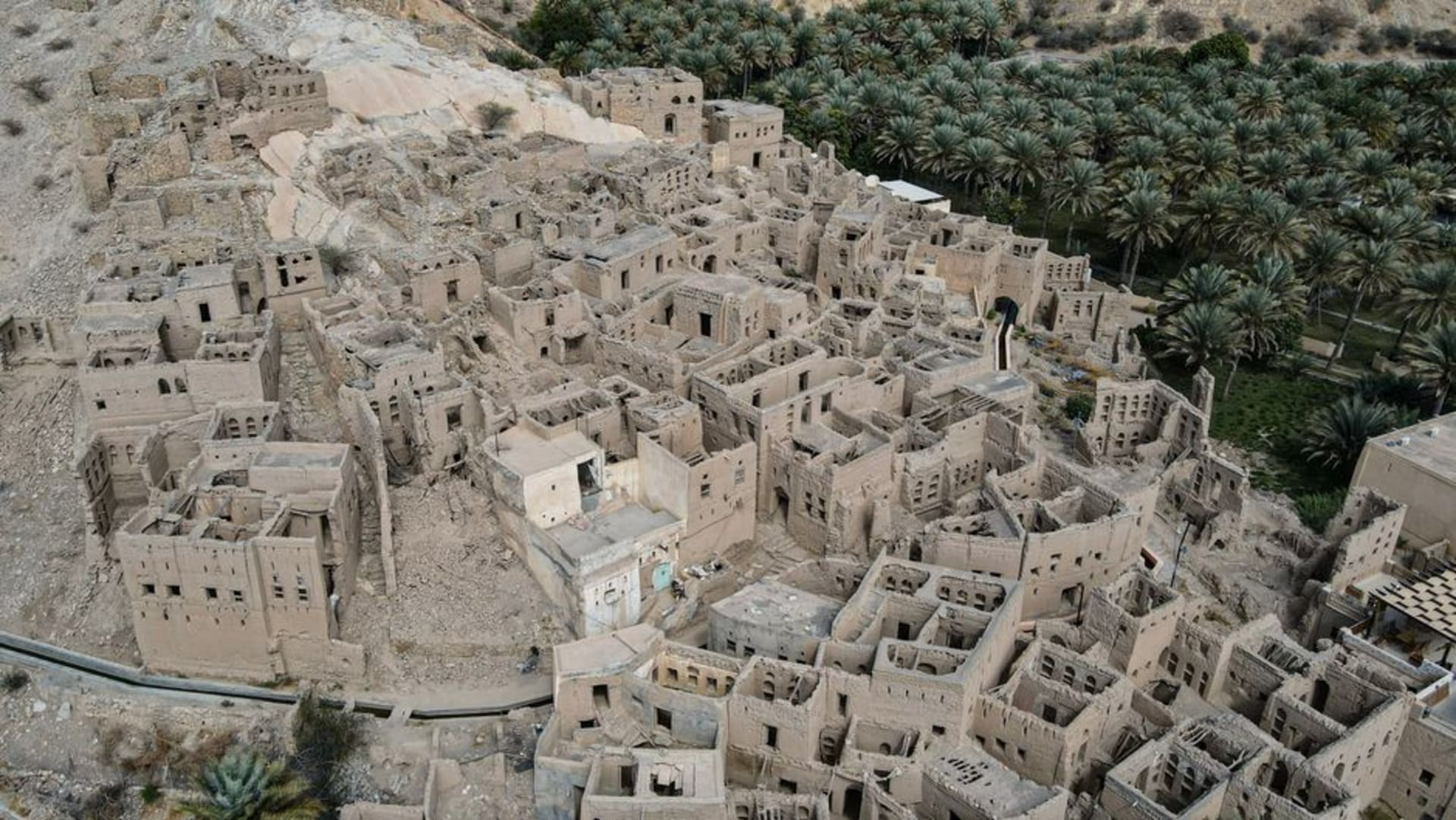
A UNESCO World Heritage necropolis of Bronze Age beehive tombs scattered across a stony ridge, older than Egypt's pyramids and visited by almost nobody.
I’ll admit I went to Bat expecting to feel underwhelmed. Bronze Age tombs, a UNESCO plaque, a scatter of rock piles on a hillside — it sounded like the kind of site that reads better on paper than it feels in person. I was wrong within about ten minutes of arriving, and I’ve thought about the place regularly ever since.
Older Than You Can Really Process
Bat, along with the nearby sites of Al Khutm and Al Ayn, forms one of the most complete Bronze Age necropolises anywhere in the world, dated to roughly 3000 BCE — older than the Great Pyramid of Giza. What survives are hundreds of beehive-shaped tombs built from dry-stacked stone, some still standing close to their original height, spread across a ridge above the modern town with no fencing, no crowd control, and barely any interpretive signage beyond a single small visitor building near the entrance.
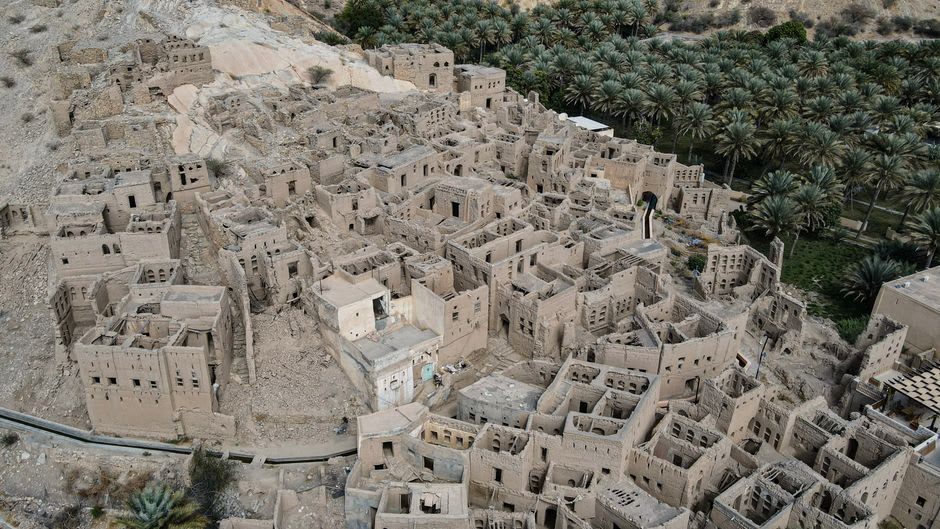
I walked among them for close to two hours without seeing another visitor. That silence does something to a five-thousand-year-old burial site that a curated museum experience never could — you’re not being told how to feel about it, you’re just standing next to stones stacked by hands that stopped moving a very long time before anything we’d recognize as history began.
What Nobody Tells You About the Towers
What I hadn’t read about beforehand was the settlement remains alongside the tombs — a large circular stone tower thought to have served ceremonial or defensive purposes for the community that built the necropolis. Its walls have eroded down to about waist height in most places, but the circular footprint is unmistakable, and standing inside it looking out at the tomb field gave me a far better sense of the site as a lived and buried landscape rather than just a scatter of graves.
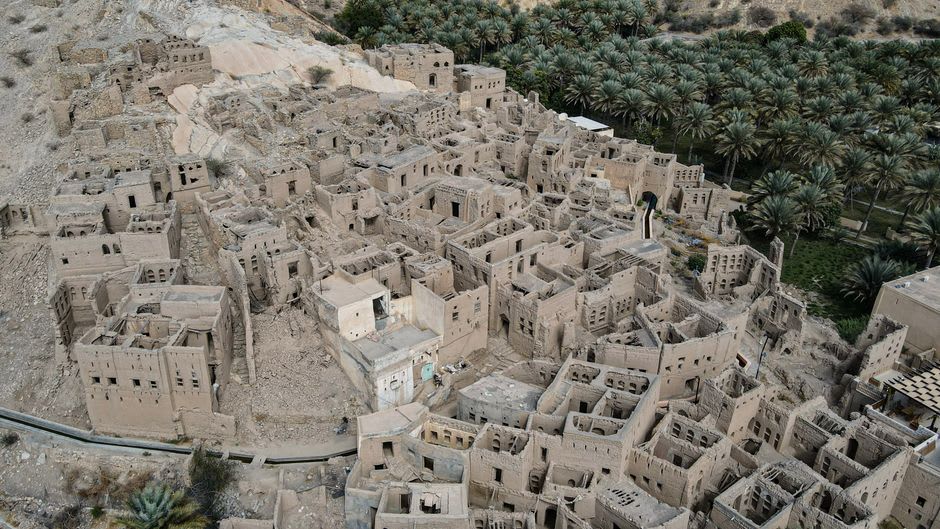
Lia, who has a much lower tolerance than I do for archaeological sites without a clear narrative, still ended up sitting on a low wall for twenty minutes just looking at the tomb field in the changing afternoon light, which is about as strong an endorsement as she gives anything.
When to go: October through March, ideally arriving in the late afternoon when the low light picks out the texture of the stacked stone. There is no shade anywhere on the ridge, so avoid midday entirely regardless of season.