Americas
Nova Scotia
"Nova Scotia is where the ocean stops being a backdrop and becomes the entire story."
I arrived in Halifax on a Tuesday morning with a rental car and no plan, which turned out to be exactly the right approach. By noon I was eating a lobster roll on a wharf in Lunenburg, watching a man repaint the hull of a wooden schooner while a seal bobbed twenty metres offshore, indifferent to everything. This is the rhythm of Nova Scotia: beautiful, unhurried, quietly extraordinary.
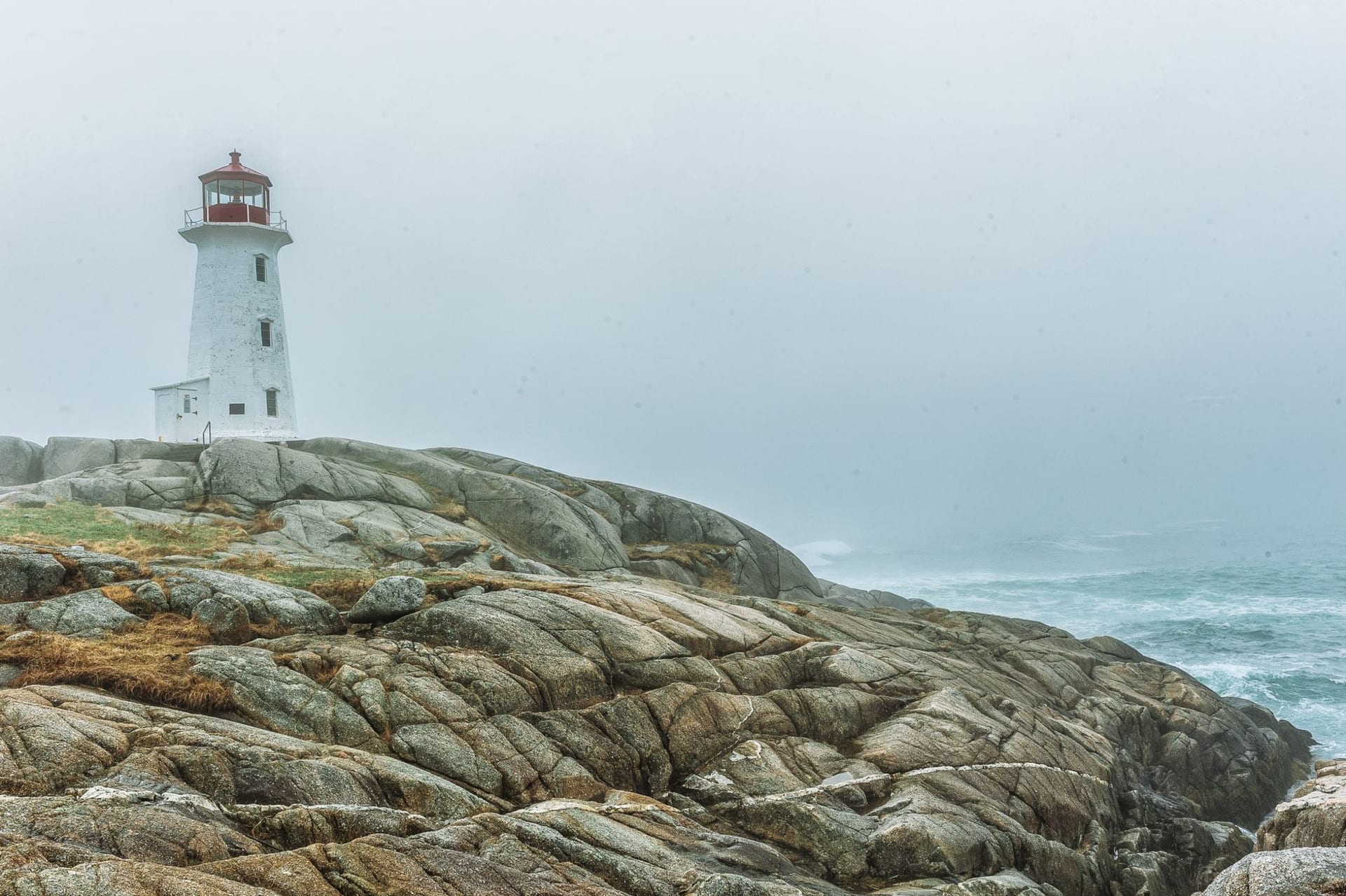
The Cabot Trail is the obvious centrepiece, and for once the obvious choice is the correct one. The road loops through Cape Breton Highlands National Park along cliffs that drop straight into the Gulf of St. Lawrence — the kind of scenery that makes you slow down involuntarily, not because of the curves but because pulling over every ten minutes feels necessary. Ingonish Beach is the place to stop for a swim if the weather is cooperating, which it may or may not be, because Nova Scotia has its own meteorological agenda and it rarely consulted the tourist board. The fog is not a problem to solve; it’s part of the aesthetic. Peggy’s Cove in the morning mist is one of the more haunting coastlines I’ve seen anywhere.
Halifax punches above its weight. The waterfront has been done thoughtfully — real working docks alongside good restaurants and a natural history museum worth three hours of your afternoon. The craft beer scene is serious, the Citadel Hill fortification has actual history rather than invented heritage, and Pier 21, the old immigration shed turned museum, is the kind of place that will blindside you emotionally. The food throughout the province is anchored in the sea: digby scallops, Lunenburg sausage, Solomon Gundy (pickled herring — don’t knock it), and lobster at every price point from roadside shacks to white tablecloths. Eat it simply, at a picnic table, with melted butter. That’s it.
When to go: July and August are the peak months — warmest water, festivals in every village, the Cabot Trail at its most dramatic green. September is exceptional and underrated: the crowds thin, the light goes golden, and the fall colour in Cape Breton starts building by mid-month. Avoid May and early June unless you specifically enjoy watching things bloom in 8°C with horizontal rain.
What most guides get wrong: They treat Nova Scotia as a single destination and try to drive all of it in a week. The province is compact on a map but the roads are not highways, and the interesting stops demand time. Choose between the South Shore (Lunenburg, Mahone Bay, Peggy’s Cove) and Cape Breton, and do one of them properly. Trying to do both in four days means you’ll see everything and experience nothing.