Dipilto
"Dipilto is the one place in Nicaragua where I've watched fog roll through pine trees instead of palms."
A pine-forested mountain village on the Pan-American Highway where old gold mines and cloud-forest coffee farms share the same cool, misty slopes.
The Pan-American Highway does something strange just north of Ocotal: it starts climbing in earnest, and Dipilto appears almost suddenly, tucked into a fold of mountains so green and so cool that for a moment I forgot which country I was in. I’d hitched a ride with a coffee buyer heading up to check on a cooperative’s harvest, and he pulled over without being asked, just to let me look at the valley — pine ridgelines disappearing into cloud, a river cutting through the bottom of it, and not another building in sight.
Gold in the hills, coffee in the mist
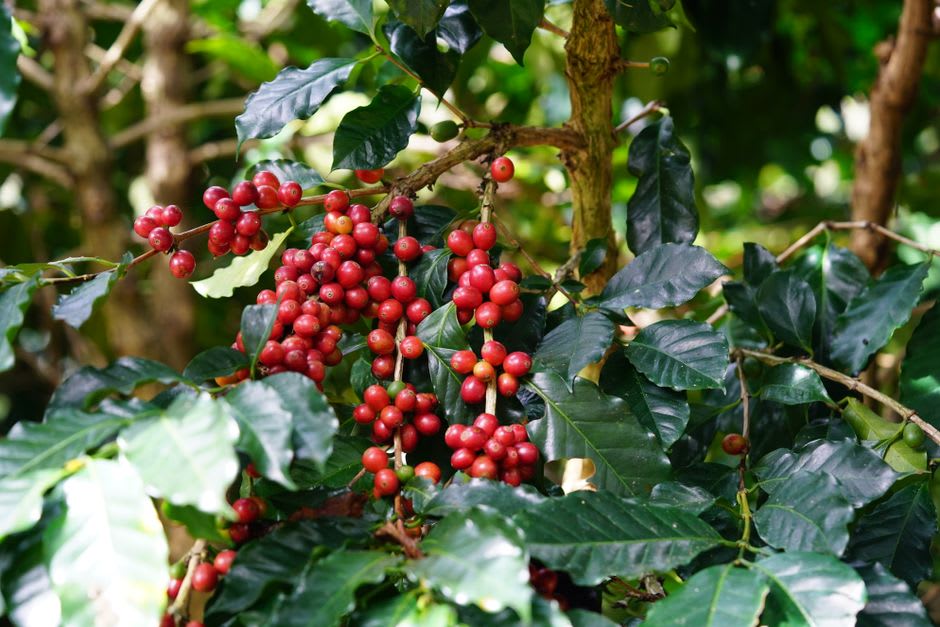
Dipilto’s history is written into its landscape before anyone tells you about it. The hills around town are pocked with old mine entrances, some worked since the Spanish colonial period, a few still active in a small, informal way. I met a man in the village center, maybe sixty, who’d spent thirty years panning and tunneling in these same hills, and he described the work with a kind of fatalism — hard, unpredictable, occasionally lucrative, mostly not. What’s replaced mining as the town’s real economic backbone is coffee, grown on the cloud-forest slopes above the village at an elevation that produces genuinely excellent beans. I toured a small cooperative farm where the owner walked me between rows of shade-grown arabica, pointing out how the fog that rolls through most mornings is exactly what the plants want.
A highway town with mountain quiet
Despite sitting directly on the Pan-American Highway, Dipilto never feels like a transit stop. Trucks pass through, sure, but the village itself sits slightly off the main road, wrapped in pine forest that mutes the traffic noise into something almost peaceful. I stayed one night at a small guesthouse where the owner served coffee from her own small plot, roasted that week, and I drank it on a porch looking at mountains that could have passed for somewhere in the Alps if you cropped out the tropical birdsong. The old mining trails now double as hiking routes, and a short walk up from the village center gets you to a viewpoint where you can see both the Honduran border ridge and, on a clear day, all the way back down toward Ocotal.
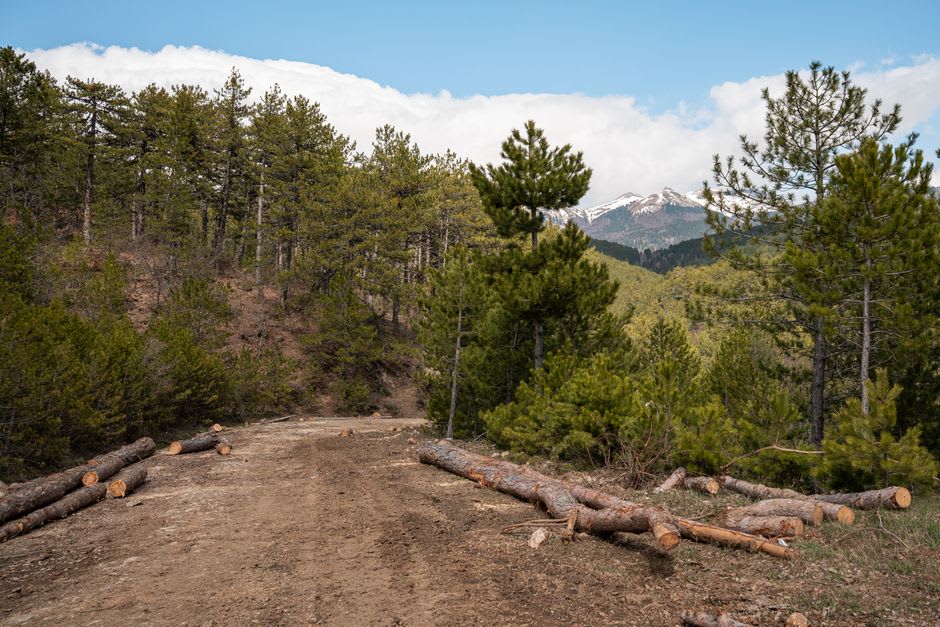
What stays with me about Dipilto is how unbothered it is by its own beauty. Nobody’s built a hotel to capitalize on the views. Nobody’s marketing the coffee tours to tour buses. It’s a working mountain town that happens to sit in one of the most quietly spectacular corners of the country.
When to go: November to January, when the coffee cherries are being harvested and the air is coolest and clearest — bring a light jacket, since mornings here genuinely require one.
Keep exploring
More from Nicaragua
 nicaragua
 Diriamba
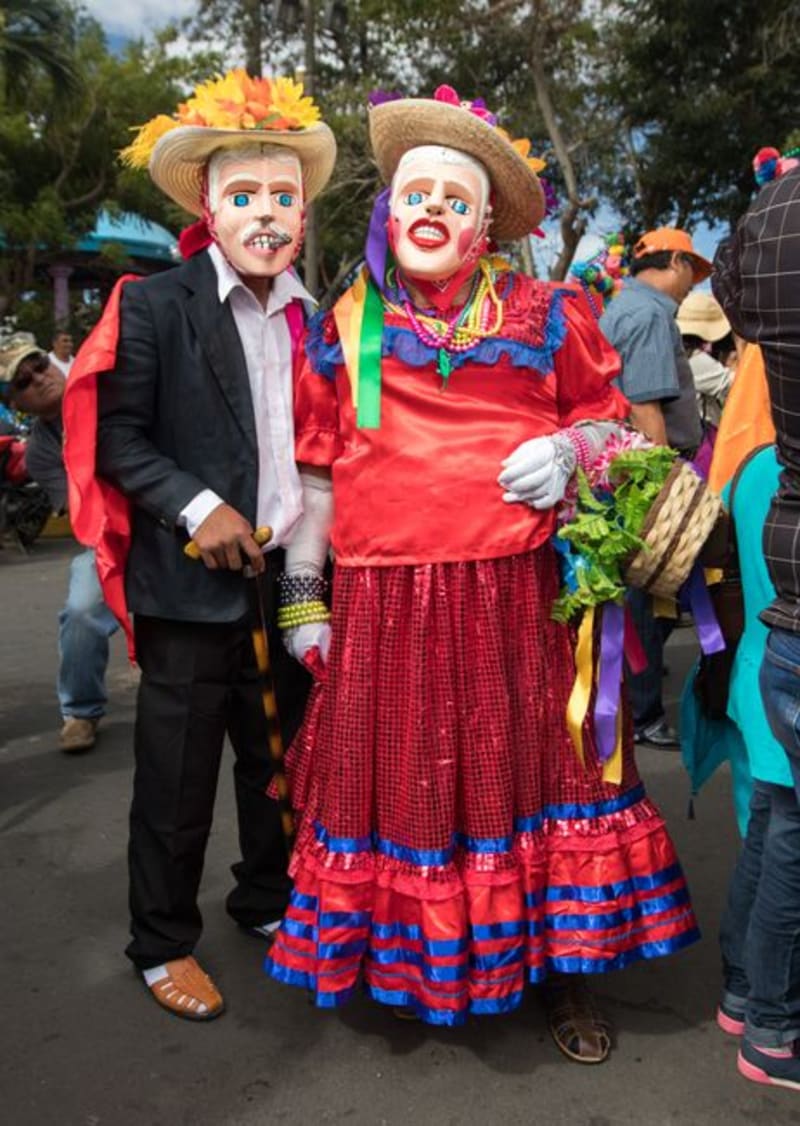
A colonial town that erupts every January into satirical masked theater and dance during its patron saint festival, El Güegüense.
Explore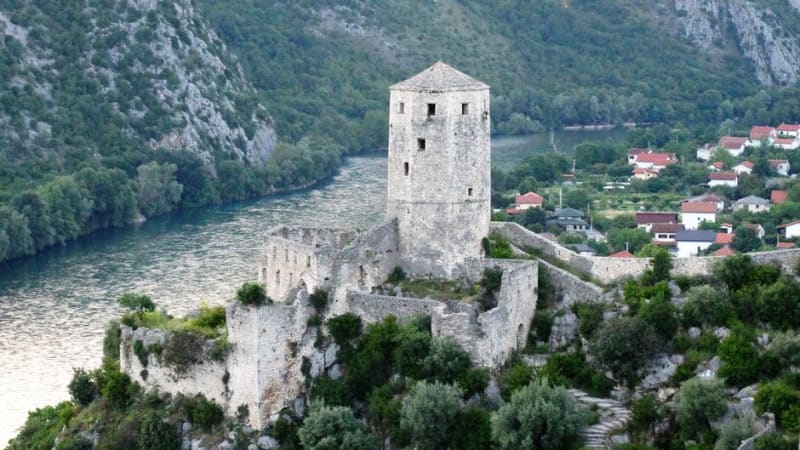 nicaragua
 El Castillo
A tiny riverside town built around a 17th-century Spanish fortress that once repelled Henry Morgan, with rapids roaring past its front step.
Explore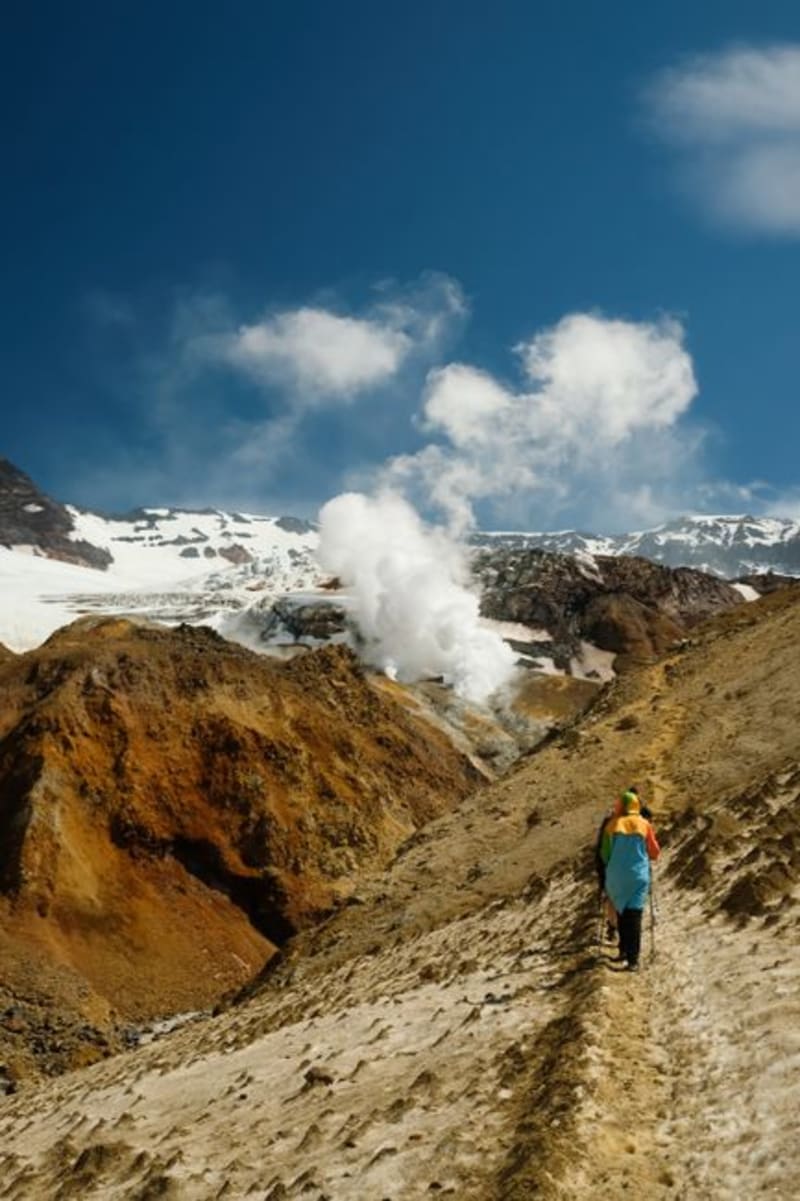 nicaragua
 El Hoyo Volcano
The tallest of the Maribios volcanoes near León, a steep and often-overlooked hike to a crater rim that most travelers skip in favor of its famous black-sand neighbor.
Explore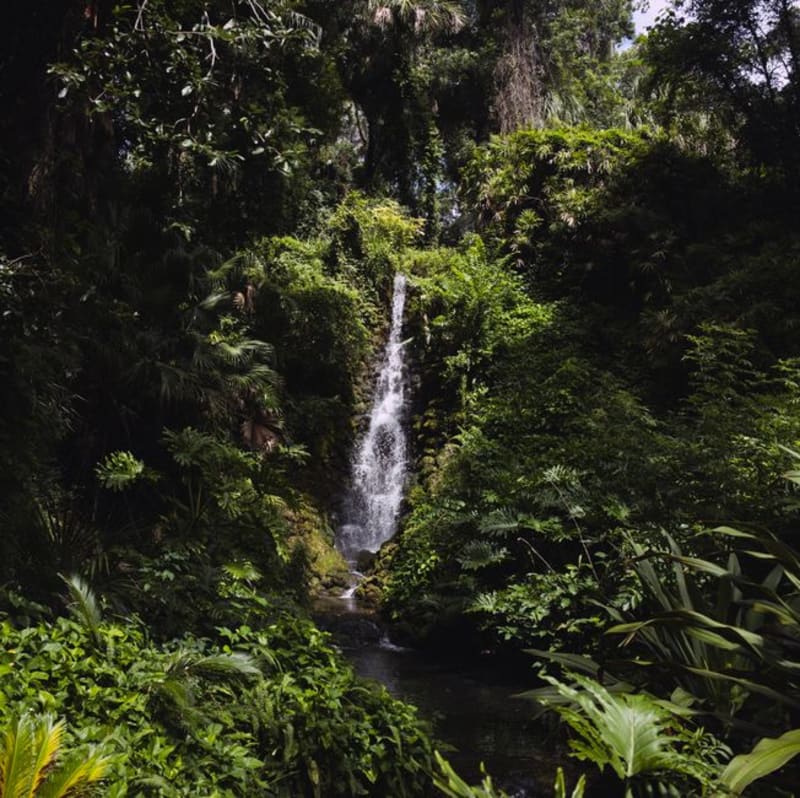 nicaragua
 El Tuma–La Dalia
A rugged coffee municipality near Matagalpa where waterfalls drop through cloud forest and smallholder cooperatives grow some of the country's best beans.
Explore nicaragua
 Estelí
A highland city that smells of cured tobacco and fresh paint, where Sandinista murals cover entire blocks and the best cigars in the world are still rolled by hand.
Explore nicaragua
 Granada
One of the oldest colonial cities in the Americas — pastel facades, volcanic views, and an archipelago in the lake.
Explore