Americas
New Mexico
"I stopped the car on a mesa road and just stood there in the silence."
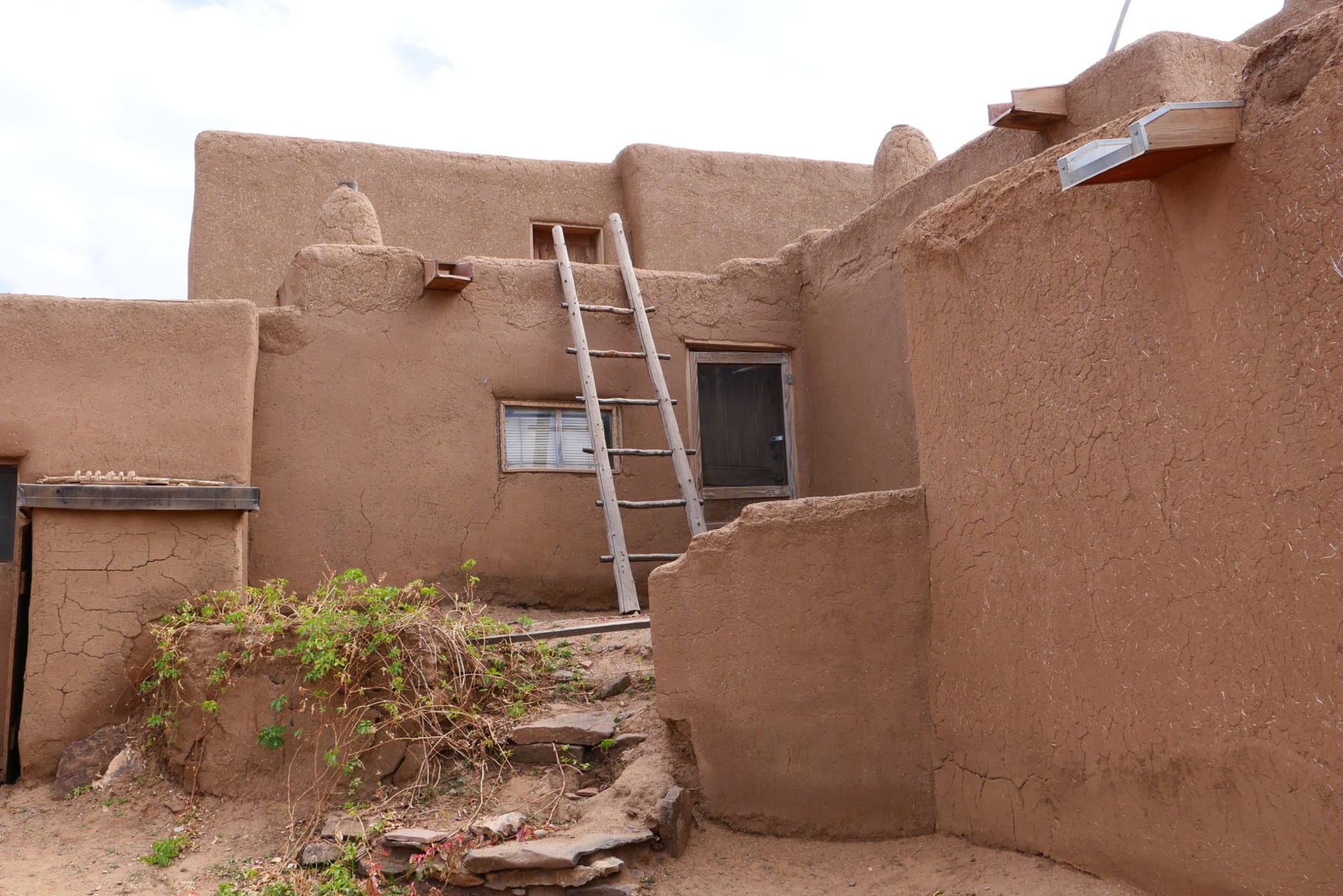
I came to New Mexico expecting a road trip backdrop — dusty highways, turquoise jewelry, the kind of Southwest aesthetic you see on every design mood board. What I found instead was one of the most genuinely strange and ancient-feeling places in North America. The light hit Taos Pueblo in the late afternoon and I genuinely could not tell what century I was in. The buildings have been continuously inhabited for over a thousand years. There are no electrical lines. People still draw water from the acequia. Standing there, having driven five hours from Texas through emptiness, I felt something shift in my sense of scale.
The geography of New Mexico doesn’t negotiate. The Rio Grande cuts through a gorge so abrupt you don’t see it until you’re practically over the edge — the Taos Gorge Bridge sits 180 meters above the river and almost no sign warns you it’s coming. The White Sands — gypsum dunes the color of old bone, blindingly white under midday sun — look like they belong on another planet. I went at sunset, which everyone recommends, and understood why. The dunes turn pale pink and the temperature drops fifteen degrees in twenty minutes. I ate green chile posole from a paper cup in the parking lot and it was one of the best things I ate that trip. Hatch green chile is the thing here — not a condiment, an obsession. They put it on everything and they’re right to.
Santa Fe is the civilized version of all this: the galleries on Canyon Road, the restaurants on Old Santa Fe Trail, the New Mexican food that bears almost no resemblance to Tex-Mex. Order the red chile enchiladas at The Shed. Order them with a fried egg on top. Order the sopaipilla with honey after. Then drive north on the High Road to Taos past villages that have been here since the 1600s and notice that nobody is in a hurry. That pace — unhurried, rooted, indifferent to trends — is the thing New Mexico keeps that most American places have lost.
When to go: April to early June and September to October. Spring brings wildflowers and clear skies before the heat; fall has the golden aspens on the Enchanted Circle and harvest chile roasting season. Summer brings monsoon afternoons — dramatic but short — and winter in Santa Fe means ski season at Taos Mountain with far fewer crowds than Colorado.
What most guides get wrong: They treat New Mexico as a scenic drive between Monument Valley and Texas, a place to refuel and photograph. But the depth is cultural, not just geological. The Pueblo peoples here are not a historical curiosity — they are sovereign nations living in continuous communities that predate every European structure on the continent. The food is not “Mexican food.” The landscapes demand you stop, not drive through. New Mexico takes a week minimum, and even then you’ve barely touched Carlsbad Caverns, the Bisti Badlands, or the art colony of Abiquiú where Georgia O’Keeffe spent forty years painting the same volcanic hills and found new things in them every time.