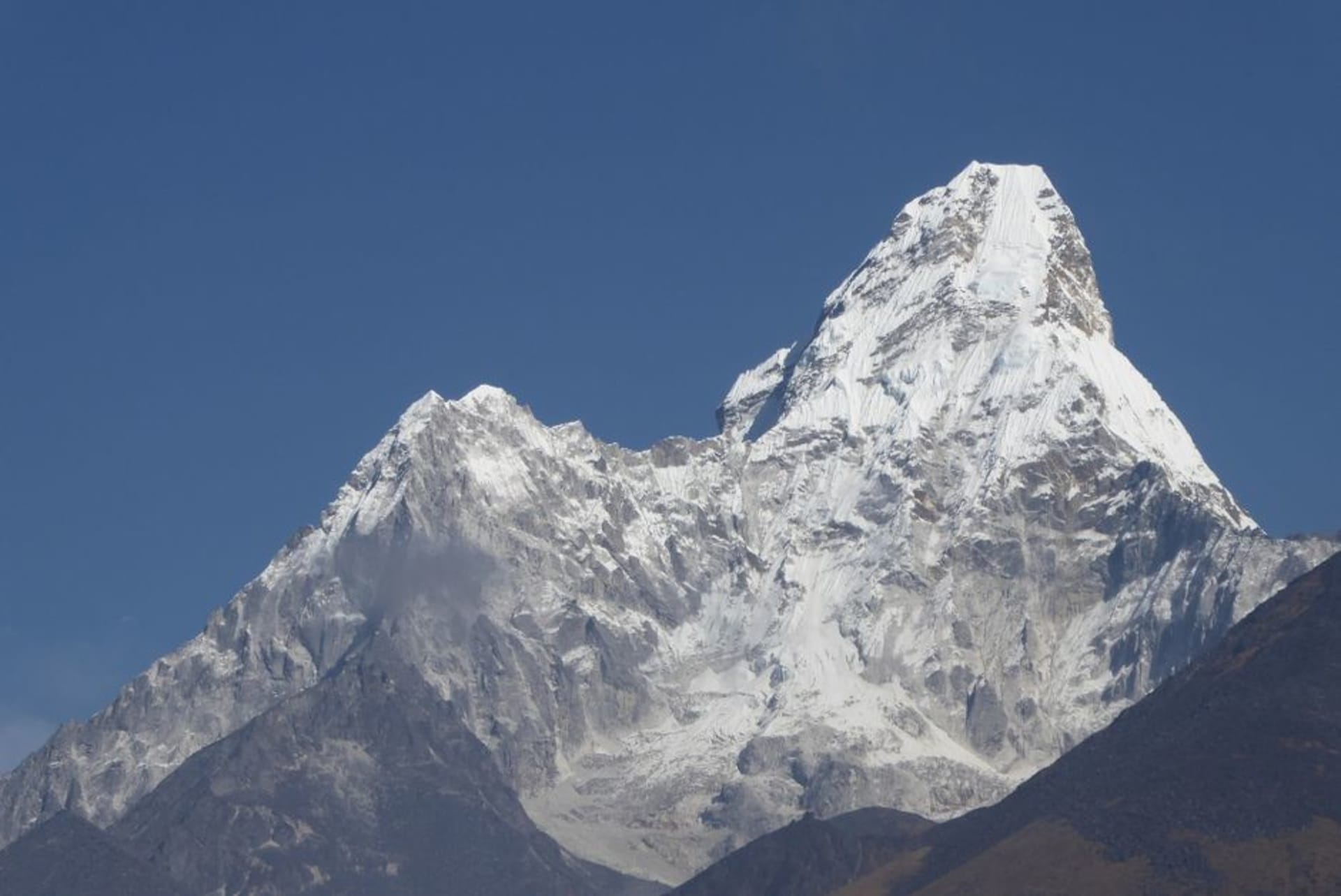
International Mountain Museum
"This is the only museum I've visited where the exhibit that stopped me cold wasn't a mountain — it was a pair of worn-out boots."
A Pokhara museum built for the climbers and Sherpas who make the Himalayas possible, not just the mountains themselves.
We went to the International Mountain Museum on a day scheduled specifically because it was raining too hard to do anything outdoors, which felt like a compromise at the time and turned out to be one of the better decisions of the whole Pokhara stretch. It sits a little outside the main tourist center, a low complex of buildings designed with sloped, mountain-referencing rooflines, and it was nearly empty when we arrived — just us, a school group being marched through by a visibly tired teacher, and a security guard reading a newspaper.
The People Who Carry the Mountain
Most museums about the Himalayas that I’d seen elsewhere focus on summits and expeditions — the Western climbers, the death zones, the flags planted at 8,000 meters. This one spends real space on the people who actually make those ascents possible: Sherpa and Gurung and Tamang porters and guides, their equipment displayed alongside oral histories translated onto placards, their villages represented through full-scale replica houses built inside the museum halls. I stood in front of a worn pair of leather boots that belonged to an early Sherpa climber — patched, clearly resoled more than once, nothing like the technical gear in the display case beside it — and found it more affecting than any summit photograph in the building.
Rocks, Flags, and a Very Long Wall
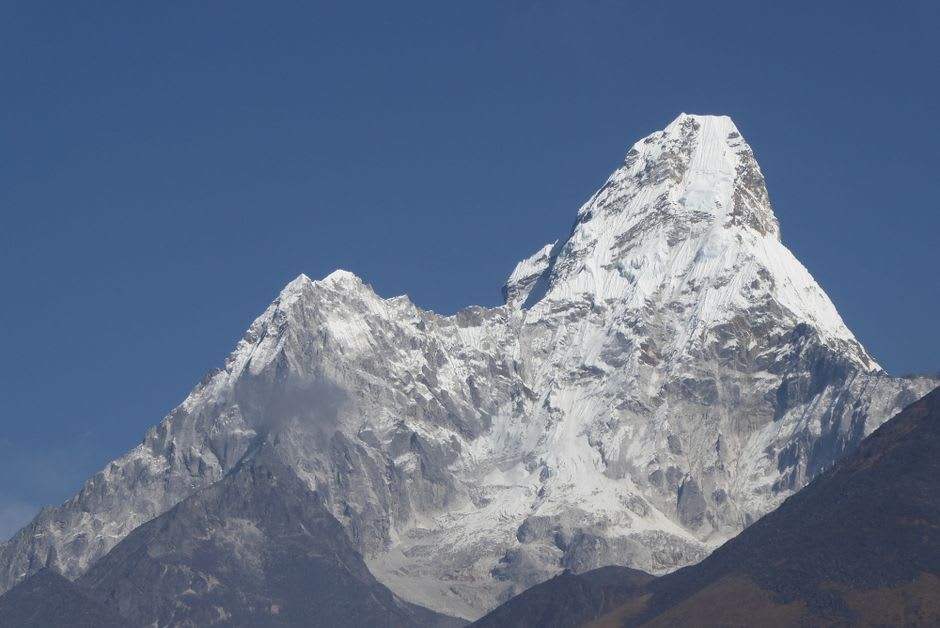
There’s a geology hall that explains, with more patience than I expected to need, why the Himalayas exist at all — the Indian and Eurasian plates still colliding, the range still rising by a few millimeters a year, ammonite fossils found near the summit of Everest because that rock was once seafloor. And there’s a long wall documenting expedition history that includes Nepali climbers largely absent from the Western mountaineering canon, which felt like a quiet correction the museum was making on purpose.
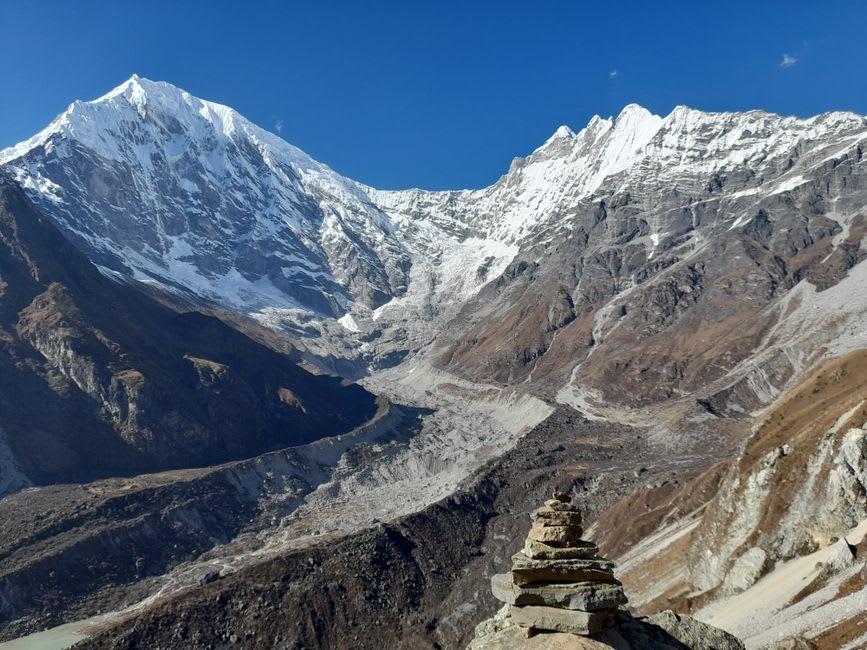
We left as the rain finally broke, and I remember feeling like I understood the trekking I’d already done, and the trekking still ahead of us, slightly differently — less as a personal accomplishment and more as something made possible by generations of people whose names rarely make it into the trip reports.
When to go: Open year-round and especially worth it on a rainy or smog-heavy day when outdoor viewpoints aren’t delivering. Late morning on a weekday avoids the school groups that arrive by the busload in the early afternoon.