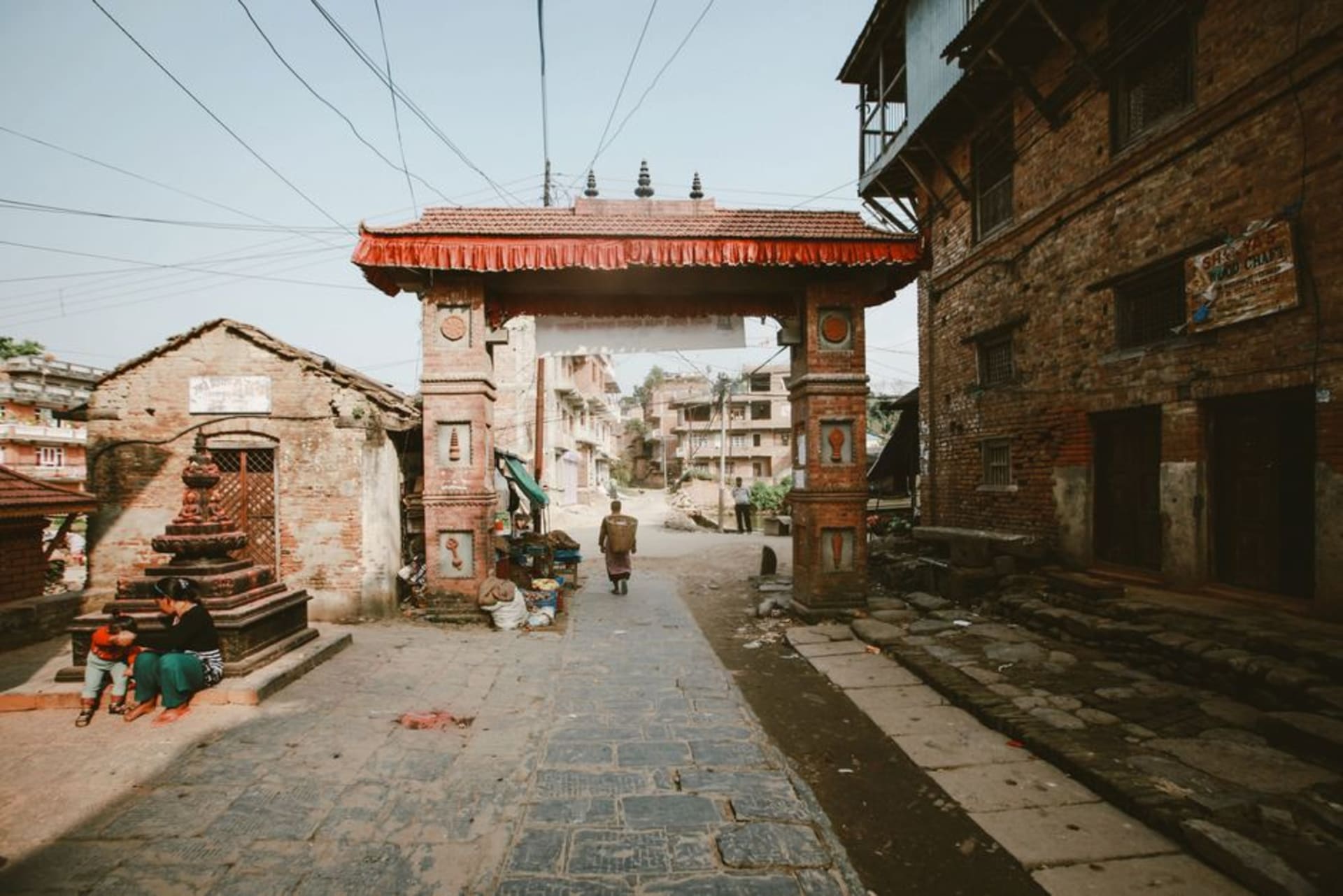
Chautara
"Chautara isn't in any trekking brochure. It should be, if only as a lesson in what recovery actually looks like."
A Sindhupalchok hill town on the eastern approach to Helambu, rebuilt almost entirely since the 2015 earthquake flattened it, with a ridge-top view of the Jugal Himal that most itineraries never get to.
Chautara sits on a ridge in Sindhupalchok district, the historical district seat for the region and, since 2015, something like a case study in disaster recovery. The earthquake that devastated Langtang and killed thousands across the country hit Sindhupalchok harder than almost anywhere else — entire villages leveled, the district headquarters itself severely damaged. I came through on the longer eastern approach to Helambu, mostly out of curiosity about a route my guide described as “the way nobody takes anymore,” and found a town that had rebuilt itself with striking speed and equally striking scars still visible if you looked.
Rebuilding in real time
Walking the main bazaar street, the pattern repeats block after block: a new concrete building, reinforced and clearly earthquake-code compliant, standing next to an empty lot where rubble was cleared but nothing yet rebuilt, next to an older structure patched with corrugated metal that survived by luck rather than engineering. A retired schoolteacher I spoke with over tea had lost his house entirely and was living, four years on, in what he called a “temporary” building that had quietly become permanent. The reconstruction money and materials had reached Chautara faster than many remote villages, he said, precisely because it was a district headquarters — a small, uncomfortable truth about how disaster aid distributes itself.
The ridge view
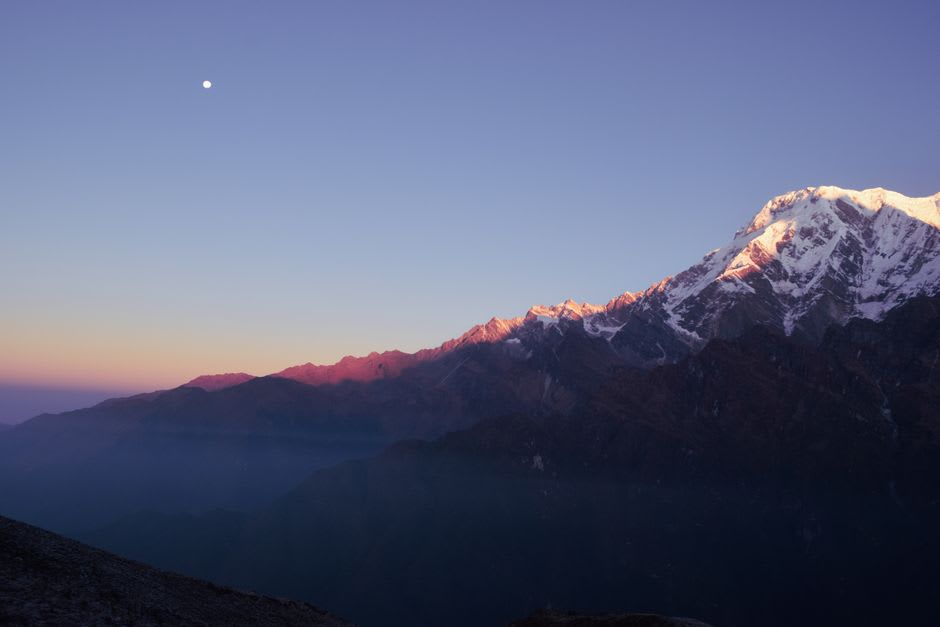
Above the town, a short walk to the old army barracks ridge gives an open view north toward the Jugal Himal range — a lesser-known massif that sits between the more famous Langtang and Everest regions and rarely appears in trekking marketing despite being genuinely spectacular on a clear day. I stood there in the late afternoon with nobody else around, the peaks catching gold light while the rebuilt town spread out below in the valley, and thought about how much of Nepal’s mountain scenery exists entirely outside the handful of routes that get photographed and repeated.
A different kind of stop
Chautara isn’t a trekking destination in the conventional sense — there’s no marquee peak, no famous monastery, no lake. What it offers is a genuinely unfiltered look at rural Nepal a decade past a catastrophe, still working through recovery, still functioning as a real district center rather than a stop built for visitors. If you’re taking the longer, less-traveled approach to Helambu from the east, it’s worth more than a passing glance.
When to go: October through April for the clearest ridge views and easiest road access. Avoid the monsoon months of June through September, when the district’s steep terrain is prone to landslides that can cut off road access for days.