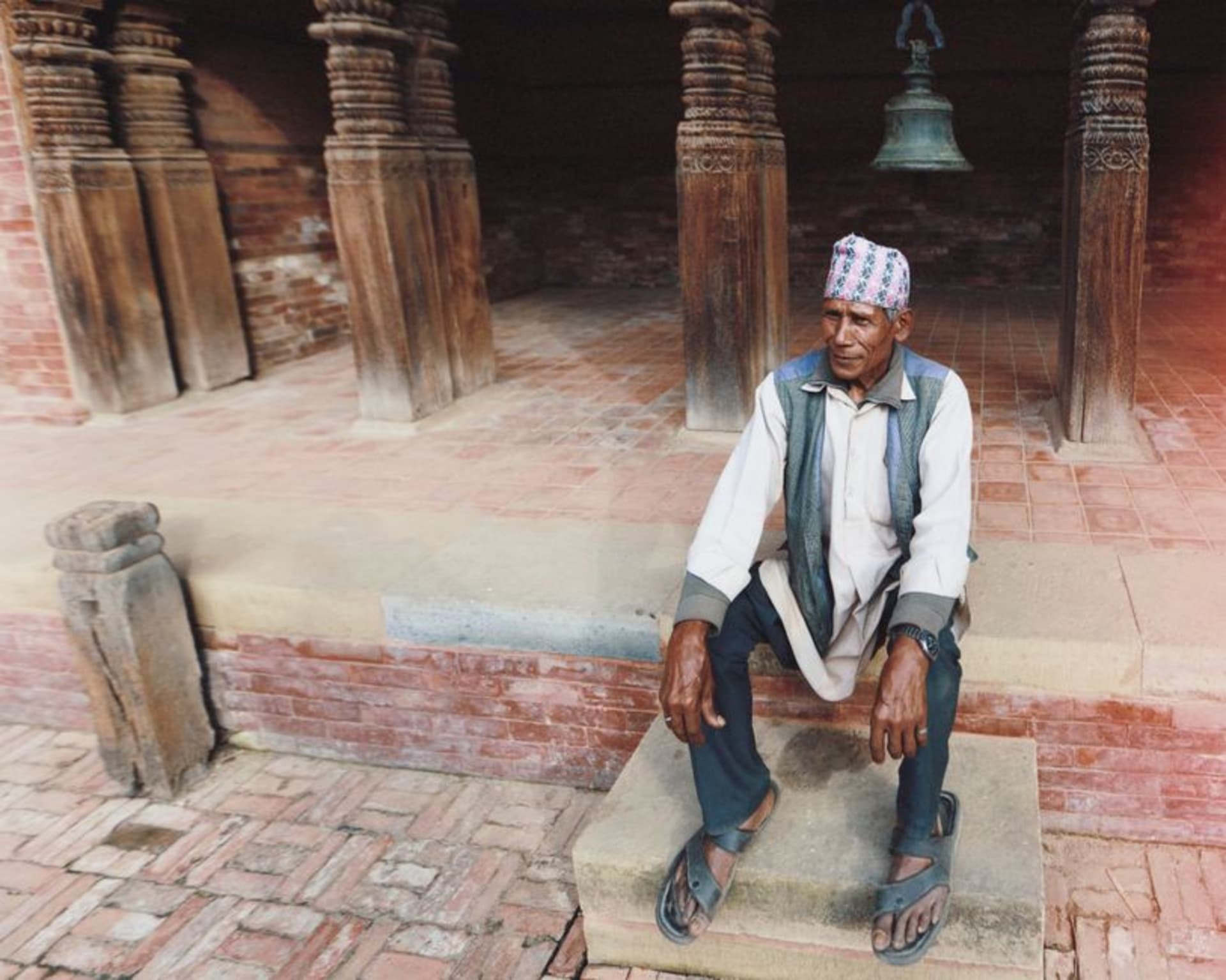
Birgunj
"I'd read that most of Nepal's imported fuel and goods cross a single bridge here. Standing on that bridge made the country's fragility suddenly very concrete."
Nepal's busiest border crossing city, a hot, transactional, endlessly fascinating gateway town where nearly all overland trade with India funnels through one road.
Birgunj isn’t a destination anyone puts on a bucket list, and I understand why — it’s a hot, congested border city whose entire identity is transactional. But after two visits to Nepal, curious about how the country actually functions logistically, I made a point of spending two days there on my way back from a trip to Chitwan, and it clarified something about Nepal that the mountains never could.
The Bridge That Feeds a Country
The Birgunj–Raxaul crossing into the Indian state of Bihar is, by a wide margin, Nepal’s most important land port — a huge share of the country’s fuel, consumer goods, and construction material physically passes across one stretch of road here. Standing near the customs checkpoint at dawn, watching a line of cargo trucks that stretched back further than I could see, loaded with everything from LPG cylinders to sacks of cement, I understood in a very immediate way why a border blockade here in 2015 had caused fuel shortages felt as far away as Kathmandu and the high Himalayan trekking routes.
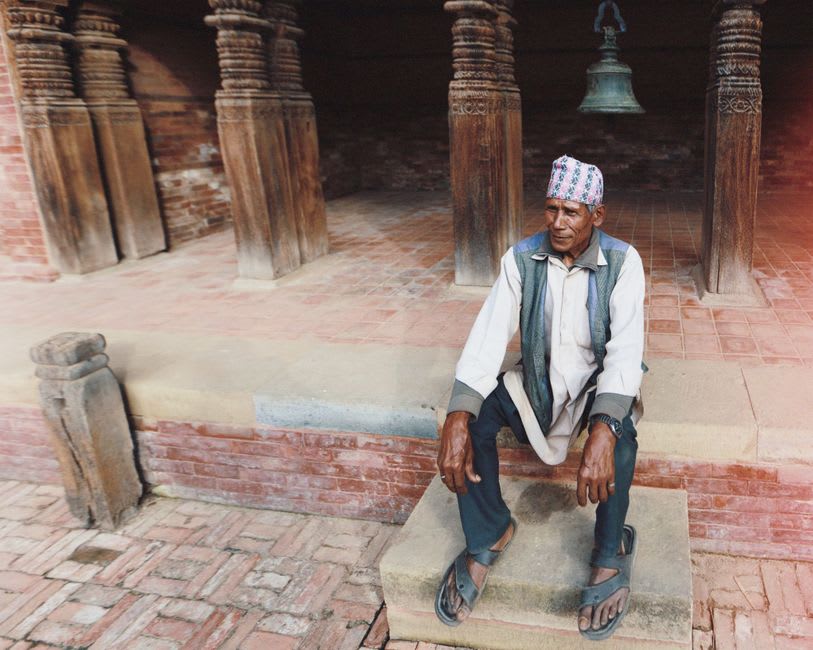
The Bazaar Behind the Trucks
Away from the border road itself, central Birgunj runs on a dense grid of markets — a wholesale grain market that opens before sunrise, a cloth bazaar with Rajasthani and Marwari merchant families who’ve operated there for generations, and food stalls selling a genuinely excellent version of litti chokha, a roasted wheat-ball dish more associated with Bihar than Nepal, which tells you something about how porous the cultural border actually is here.
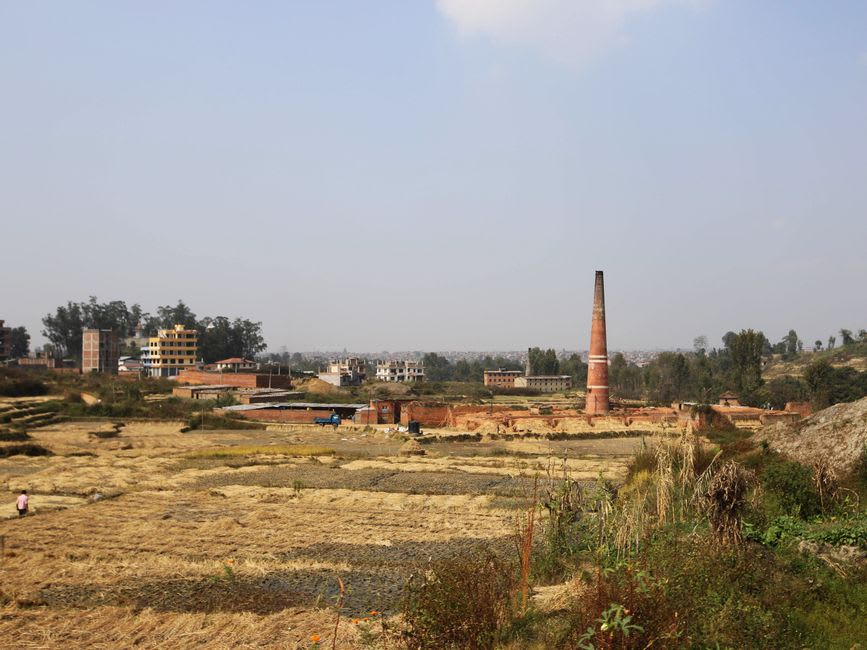
Why It’s Worth the Detour
Birgunj won’t give you a single postcard moment. What it gives instead is a much clearer picture of modern Nepal than any temple or trekking trail — a country whose mountain identity dominates the tourist imagination while its actual economic lifeline runs through a hot, unglamorous border town most visitors never think to visit.
When to go: November through February is the only genuinely comfortable stretch; by April the pre-monsoon heat becomes severe, and June through September brings both heavy rain and periodic flooding that can disrupt the border crossing itself.