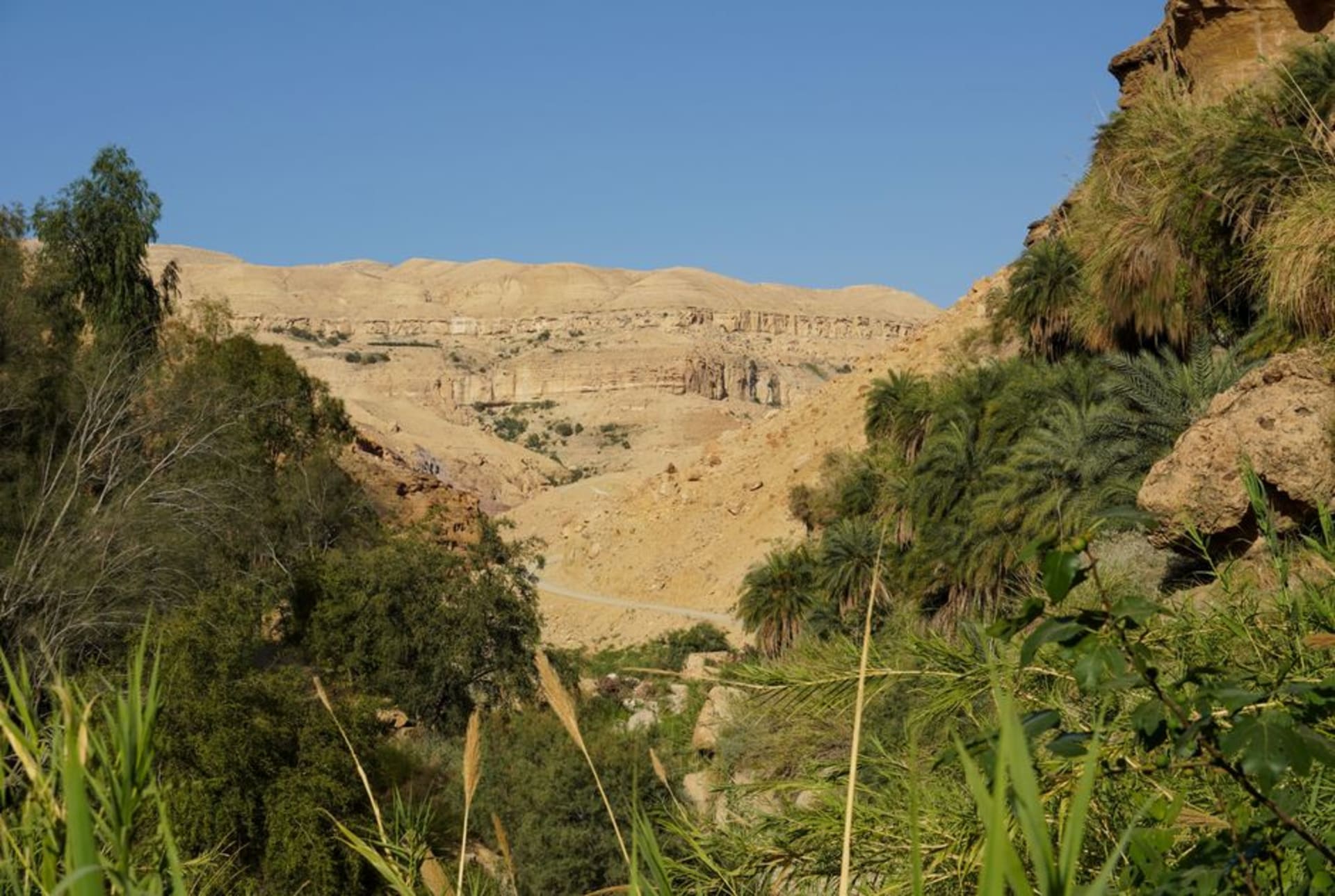
Karak Castle
"Reynald de Chatillon ruled from here and made himself so despised that Saladin executed him personally. The walls remember that kind of tenant."
A brooding black-stone Crusader fortress above the King's Highway, ruled once by the most hated man in the Holy Land and still the centerpiece of a living hill town.
Karak announces itself long before you reach it — the castle sits fused into the hilltop above the modern town, built from a dark basalt that gives the whole structure a heavier, more menacing presence than the pale limestone of most Crusader ruins I’d seen elsewhere in the Levant. I arrived by shared taxi from the King’s Highway with a driver who, unprompted, gave me a full ten-minute history of Reynald de Chatillon before we’d even parked, delivered with the specific relish of someone telling you about the local villain. Reynald ruled Karak in the 1170s and 80s, raided merchant caravans and even a pilgrim convoy headed to Mecca in flagrant violation of a truce, and became so notorious that when Saladin finally captured him after the Battle of Hattin in 1187, he executed him with his own hands rather than delegate the job, which in the context of medieval ransom customs was a genuinely unusual level of personal hatred to display.
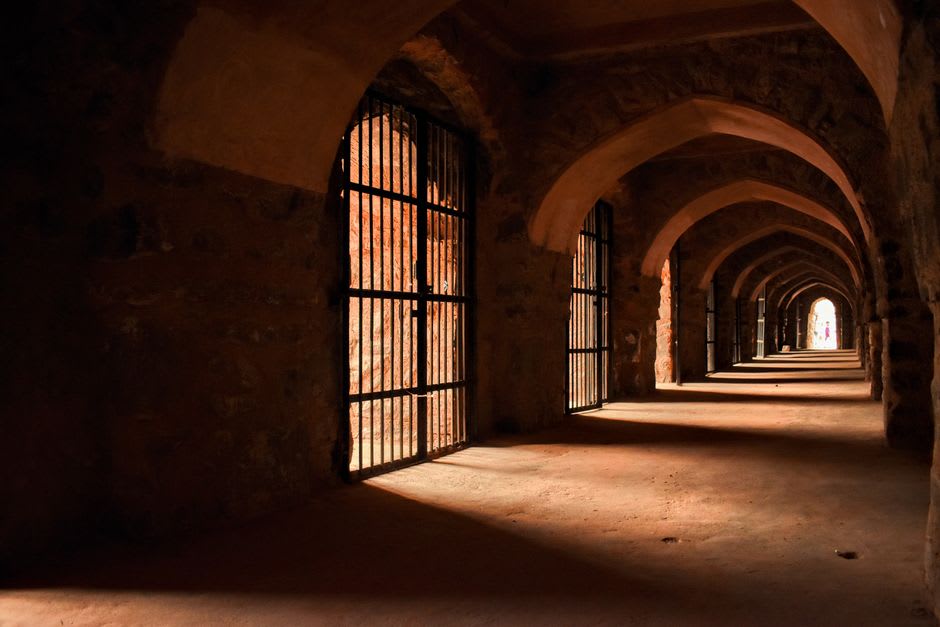
Walking through the castle itself, I found a warren of vaulted stone corridors and storage galleries running deep into the hill, cool and dark even at midday, connecting upper defensive levels to lower chambers that once held provisions for a siege. There is a small museum inside built into the old Mamluk-era sections, with pottery, coins, and Ayyubid inscriptions, but the real experience is wandering the corridors themselves, ducking under low archways, emerging periodically onto ramparts with views straight down the escarpment toward the Dead Sea depression on a clear day.
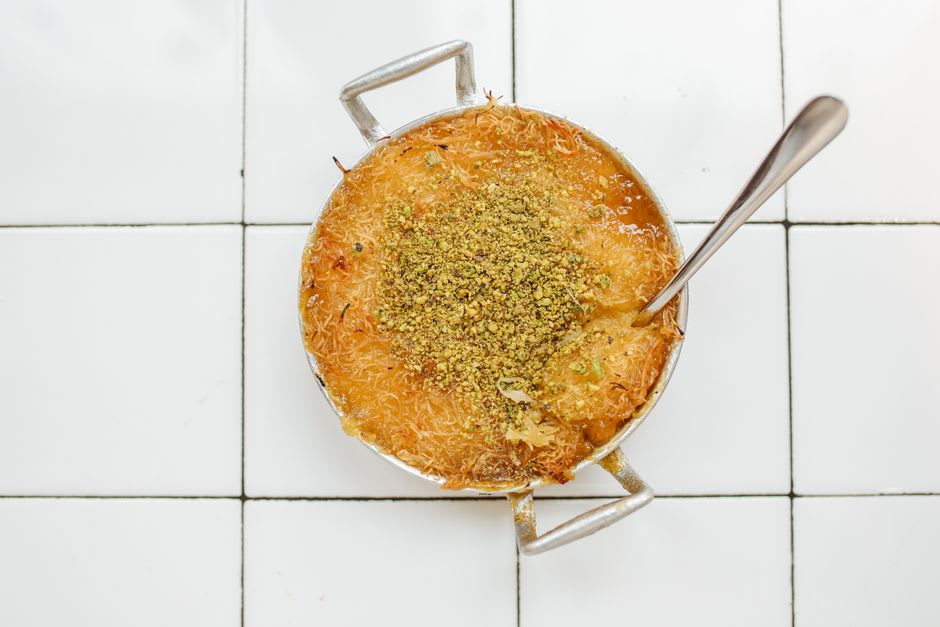
What I liked most, though, was that Karak is not a museum piece cut off from its town the way some castles are. Al-Karak wraps directly around the fortress, and after two hours inside I walked straight out into the old town’s market streets, bought fresh knafeh from a stall that had clearly been making it the same way for decades, and sat on a low wall eating it while watching schoolkids cut through a corner of the castle grounds on their way home, treating nine hundred years of history as a perfectly ordinary shortcut.
When to go: Year-round is fine since much of the interior is shaded stone corridor, but spring and autumn make the ramparts and the walk through town far more pleasant. Combine it with Shobak on the same King’s Highway day if you’re driving south toward Petra — the contrast between a crowded and an empty Crusader castle, an hour apart, tells you something real about how tourism distributes itself in Jordan.
Keep exploring
More from Nabataean Desert
 nabataean-desert
 Little Petra — Siq al-Barid
The Nabataean caravanserai where spice merchants rested — smaller than its famous neighbor, quieter, and almost always yours alone.
Explore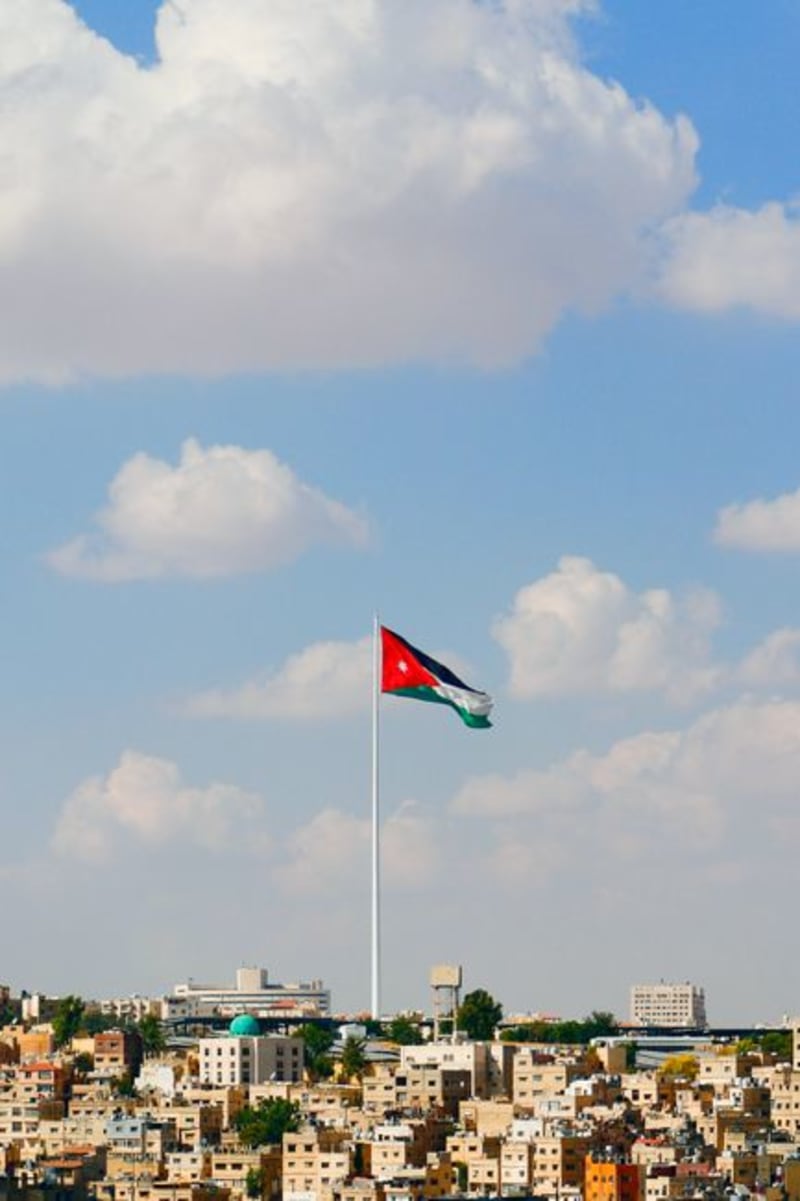 nabataean-desert
 Ma'an
A dusty crossroads town on the old Hejaz railway where nobody comes for the sights and everybody should come for exactly that reason.
Explore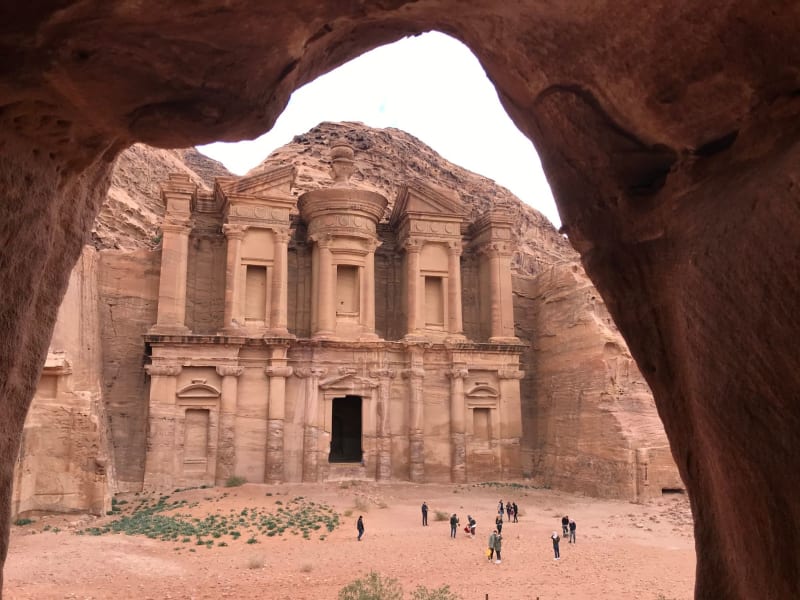 nabataean-desert
 The High Place of Sacrifice
Petra's mountaintop ritual site where the Nabataeans met their gods — and where you meet the best view in the whole city.
Explore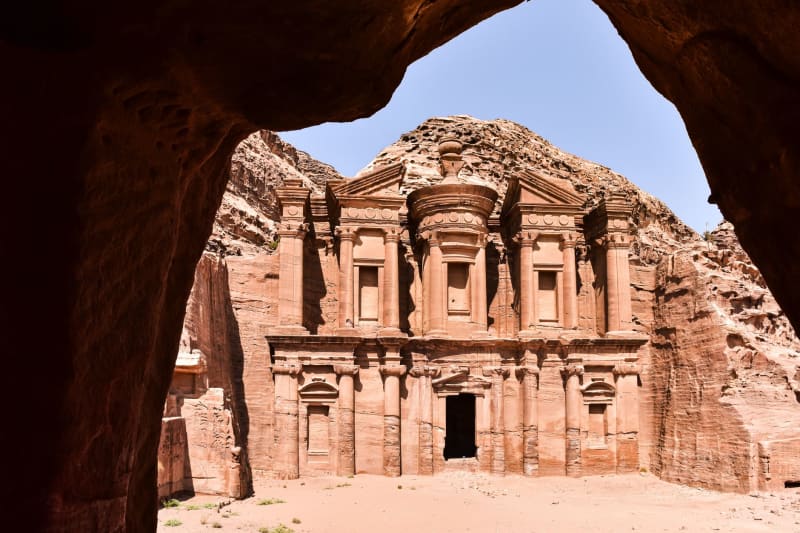 nabataean-desert
 The Monastery — Ad-Deir
Petra's largest carved monument sits at the top of 800 steps and makes you feel very small in the best possible way.
Explore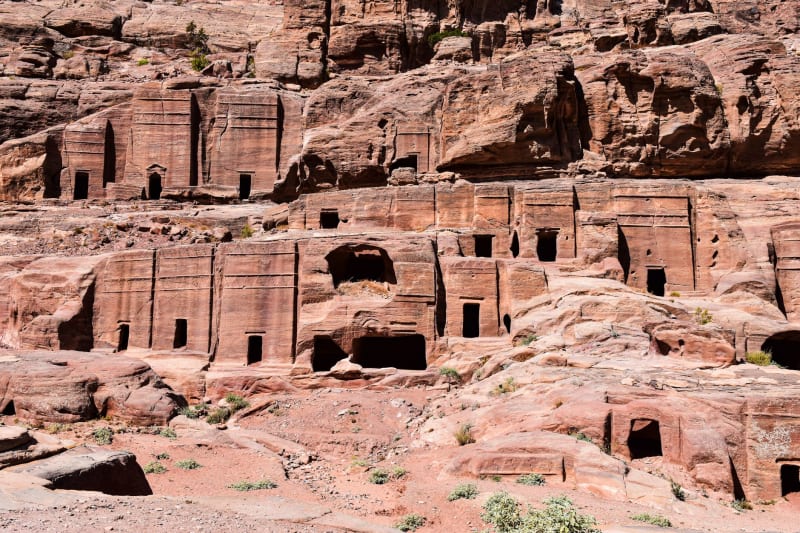 nabataean-desert
 The Royal Tombs
Petra's great carved cliff of royal facades where the geology becomes the architecture and the colors inside the rock tell their own story.
Explore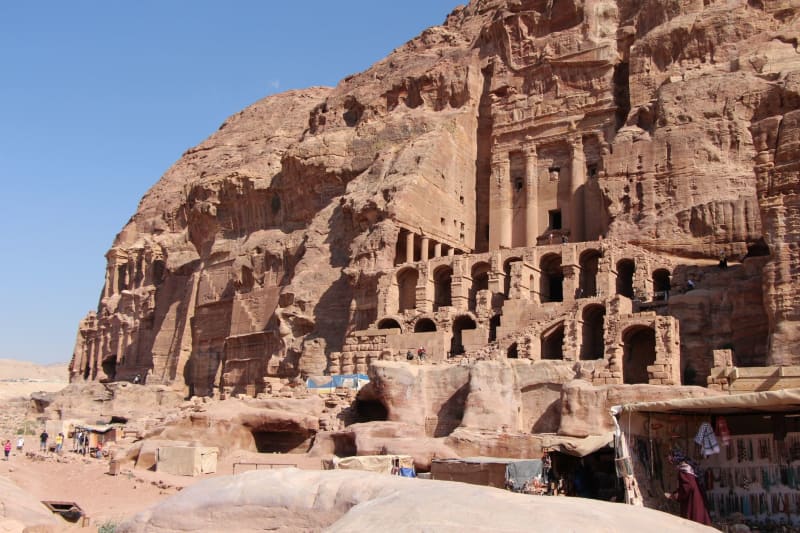 nabataean-desert
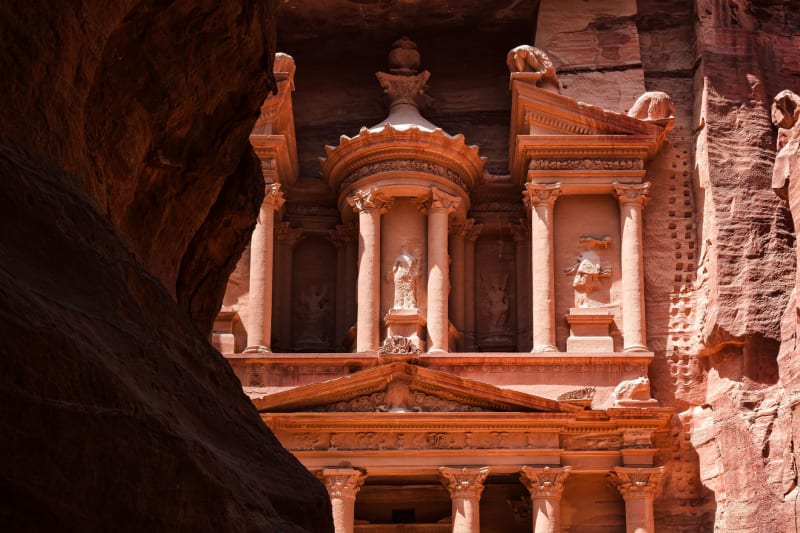
 The Siq and Al-Khazneh
A slot canyon that builds its mystery for two kilometers before detonating it in rose-red sandstone.
Explore