Tula de Tamaulipas
"Two Tulas in Mexico, and somehow people only know the Toltec one. This one has better tacos de barbacoa."
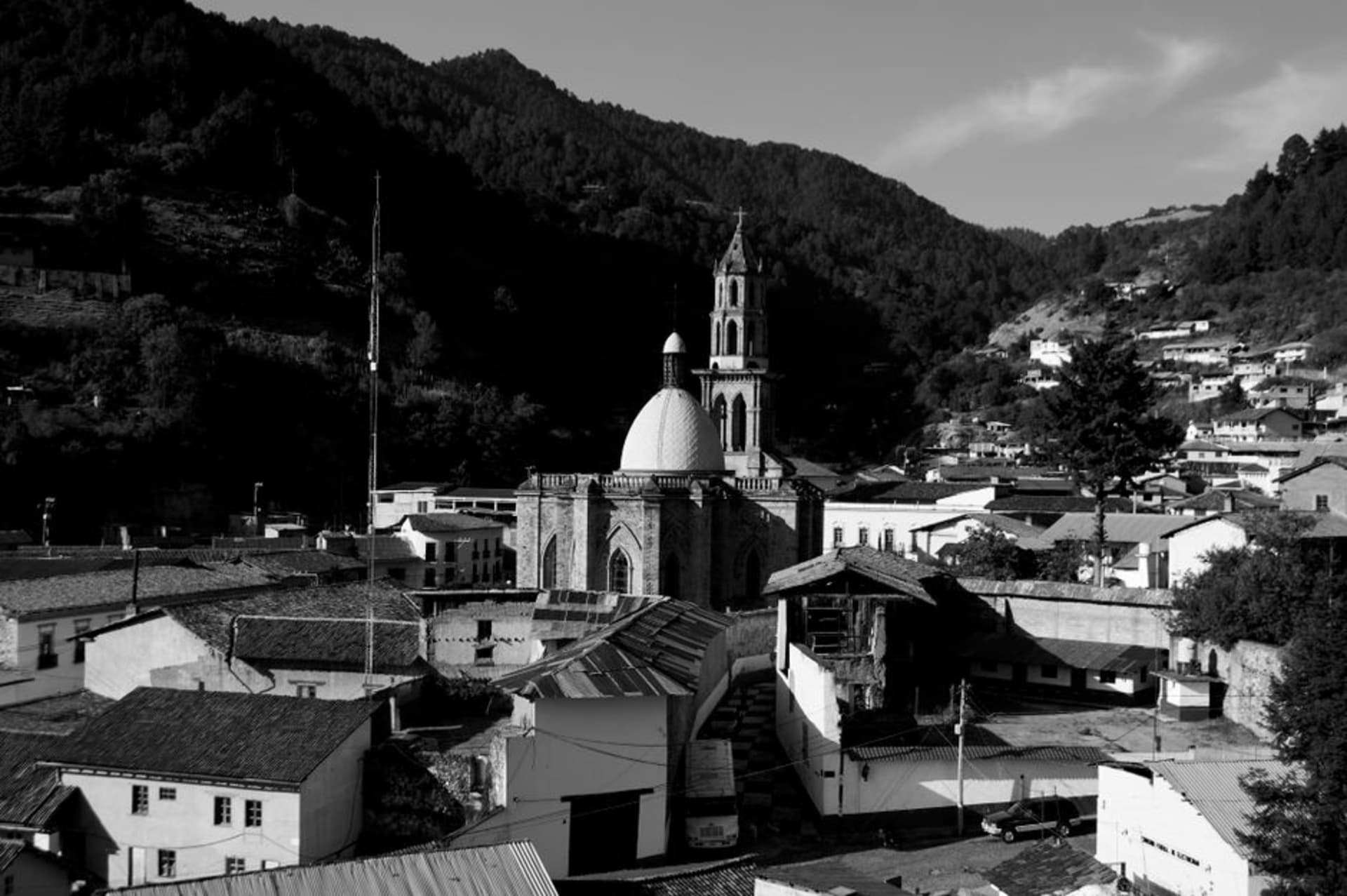
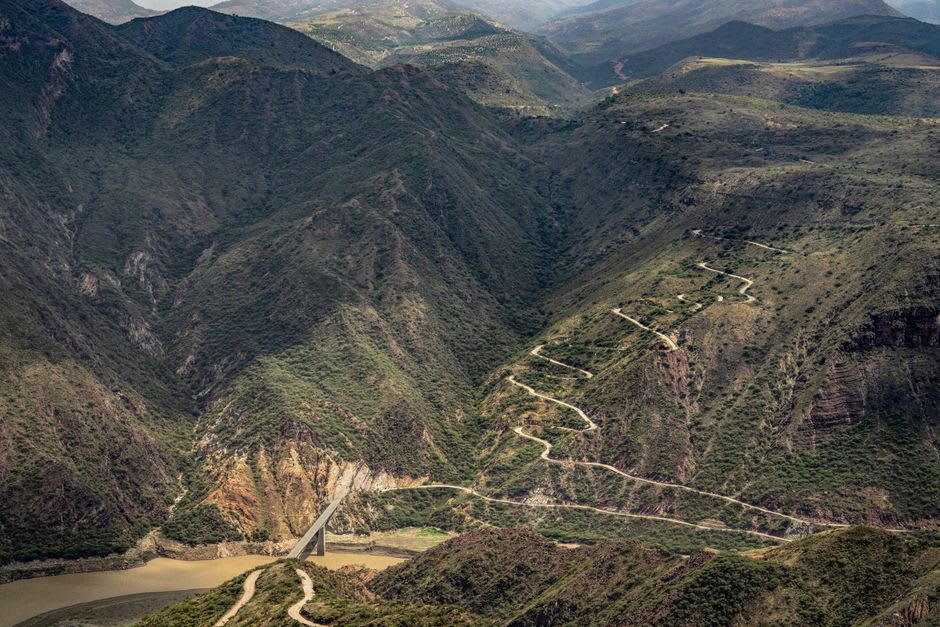
The canyon road approaching Tula from the east gives you forty minutes to wonder if you’ve made a wrong turn. The Sierra Madre walls narrow, the asphalt runs out for a stretch, and then — quite suddenly — a valley opens and there it is: a colonial church tower catching the late-afternoon light, a town that looks exactly as self-contained as it is. I had driven up from Ciudad Mante on a Thursday, thinking I would pass through. I stayed two nights.
The Ex-Convento and the Plaza It Built
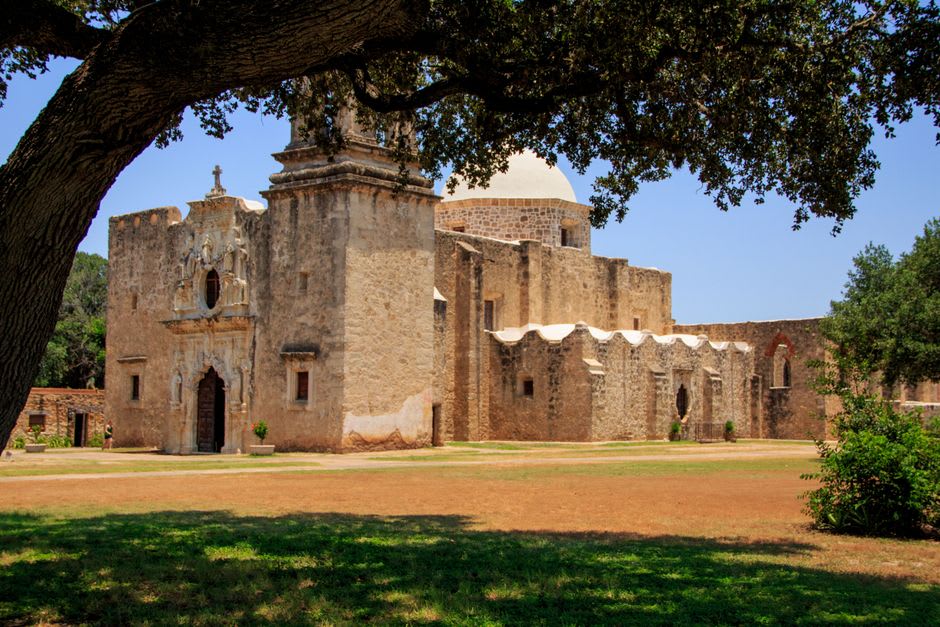
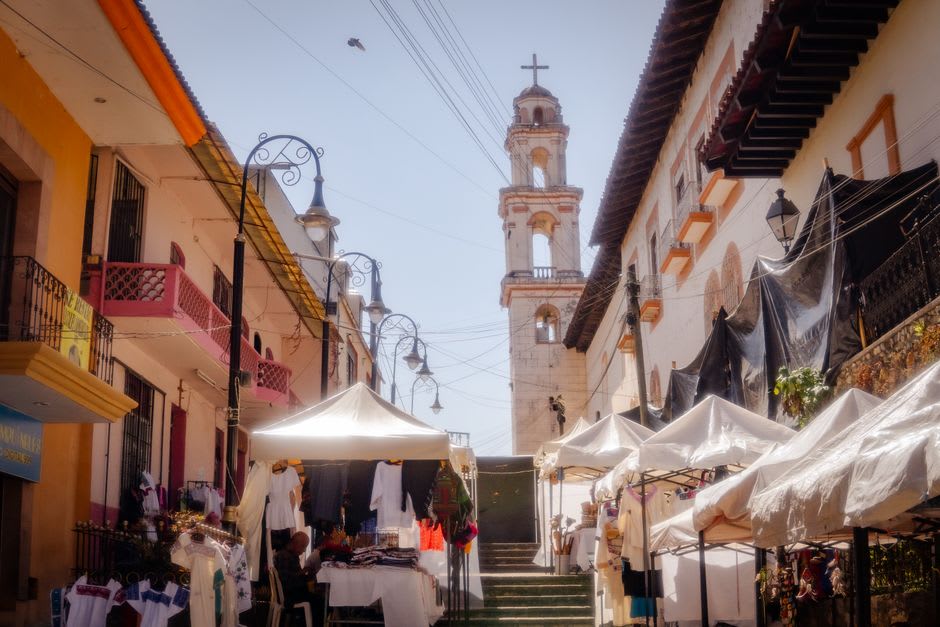
The Franciscan mission at the center of Tula dates to 1617, which makes it older than most things standing in northern Mexico. The friars chose this valley with characteristic pragmatism — flat enough to build, elevated enough to oversee — and the result is a church and atrium complex that still organizes the town’s logic four centuries on. The atrium is enormous by local standards, the kind of proportioned space that slows your pace without instruction. On Sunday mornings, vendors from the surrounding rancherías arrange themselves along its western wall: embroidered cloth, dried chiles by the kilo, honey in unlabeled plastic bottles.
The plaza itself is small and functional, neither restored nor abandoned. There’s a painted kiosk, benches occupied by the same three men who appear not to have moved since 1993, and a municipal palace on the north side with murals that nobody photographs. I photographed them. They are not spectacular, but they are specific — local history rendered by someone who understood which parts of it mattered in this valley, and that specificity counts for more than skill.
Saturday Morning and the Question of Barbacoa
The thing nobody tells you about Tula de Tamaulipas is that Saturday morning is a minor civic event. By seven o’clock the streets around the mercado municipal fill with pickup trucks from sierra communities — Jaumave, Palmillas, ranchos whose names I kept mishearing over the diesel noise. The barbacoa vendors set up before dawn. I arrived at six-forty and the line at the corner stand on Calle Hidalgo was already eight people deep.
The tacos here use borrego — sheep, slow-cooked overnight in maguey leaves — served on small corn tortillas with a salsa verde that has enough heat to register without obscuring anything underneath. A consommé comes alongside, rich and clear and quietly restorative if you have been on mountain roads since before sunrise. Four tacos and a cup of broth: forty-eight pesos, I think. I went back for two more tacos and did not regret it for a moment.
The market itself sells the usual produce alongside things you won’t find in the lowlands: dried mushrooms from the pine forests, copal resin, maguey fiber rope in coils that smell faintly of rain.
What the Valley Asks of You
Tula rewards slowness. The market winds down by noon, the afternoon turns quiet, and the best use of that quiet is to walk beyond the centro, where colonial fabric extends further than the plaza suggests. There’s a fondita on the north side of the square — no sign, plastic chairs, a woman who seems faintly annoyed by any order other than the guisado of the day. I had enchiladas rojas with crumbled queso fresco that rearranged my afternoon plans. I had planned to leave by two. I took a nap instead.
The road south toward Jaumave drops into a drier, more dramatic landscape within thirty minutes, the Sierra cutting hard angles against the sky. If you arrived from the east via the canyon road, you already know this register. If you didn’t come that way, make sure you leave that way.
Getting There
Tula de Tamaulipas sits roughly three hours south of Ciudad Victoria via Highway 101. The more scenic approach comes from the west — San Luis Potosí through Jaumave, then the canyon descent into the valley from the east, which is the road worth keeping regardless of direction. There is no direct bus from Mexico City; connections run through Victoria or Tampico. A car makes the sierra approaches practical and the detours possible.