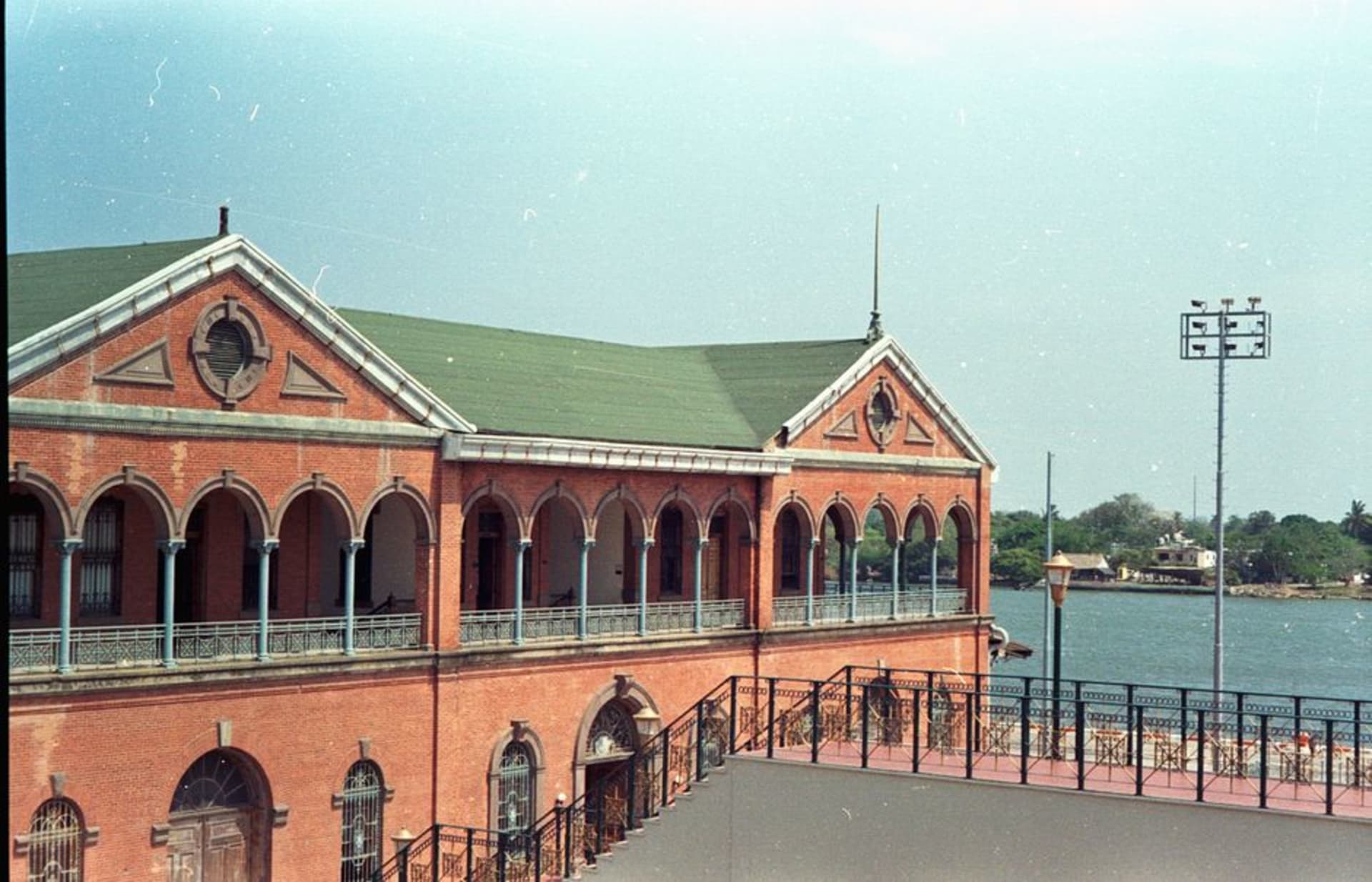
Tampico
"I was not expecting Tampico to look like a smaller, hotter, more chaotic Miami from 1928. It was a very good surprise."
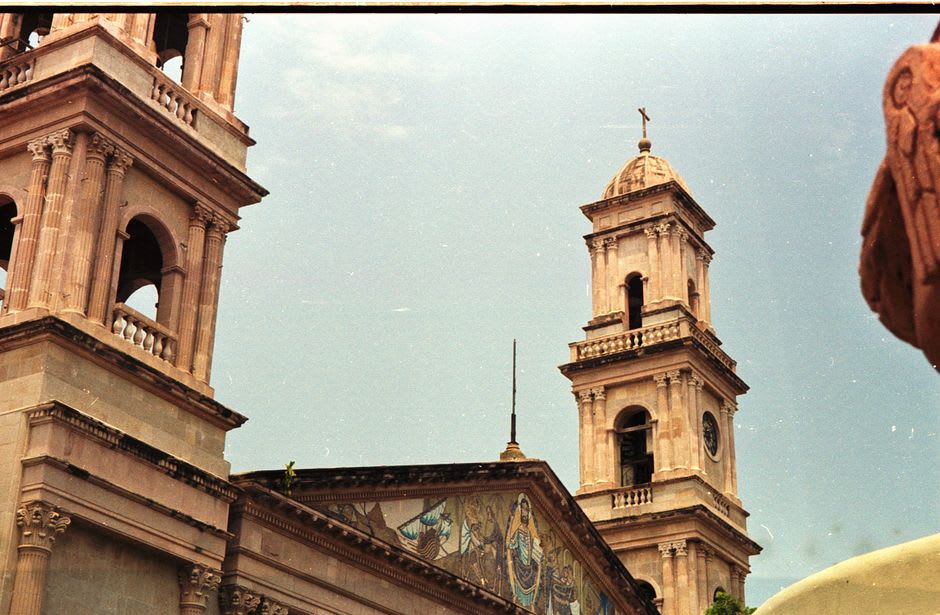
I arrived on a night bus from Monterrey at half past five in the morning, stepped onto Calle Héroe de Nacozari into air so thick with Gulf humidity it felt like walking into a warm sponge. The taxi driver asked where I was staying and when I said centro, he said good — the centro is the reason to come. He was not wrong. By the time the sun came up over the cathedral and caught the curved cream façades along Díaz Mirón, I understood that Tampico had been keeping a secret from Mexican tourism for about a hundred years, and that the secret was a downtown that looks like a fever dream of 1928 Miami transported to the edge of the Pánuco River.
A Downtown the Oil Boom Left Behind
The wealth that came to Tampico in the 1920s — when it was briefly one of the largest oil-producing cities in the world — spent itself extravagantly on buildings. Walk two blocks in any direction from the Plaza de Armas and you will find Streamline Moderne façades with racing stripes of glazed tile, scalloped cornices, porthole windows, and the kind of confident horizontal lines that architects put on things when they believed the future would be faster and more glamorous than the past. The Hotel Impala on Olmos is the obvious set piece, six stories of cream-painted curves. But the more interesting finds are the smaller commercial buildings on Colón and Aduana — the ones with hand-lettered signage still in place and butcher shops occupying their ground floors, apparently unchanged since whenever the oil stopped paying for renovations. The whole area rewards very slow walking. I spent most of a morning going four or five blocks, stopping to look up every thirty seconds.
The Shrimp, the Market, the Thing Nobody Tells You
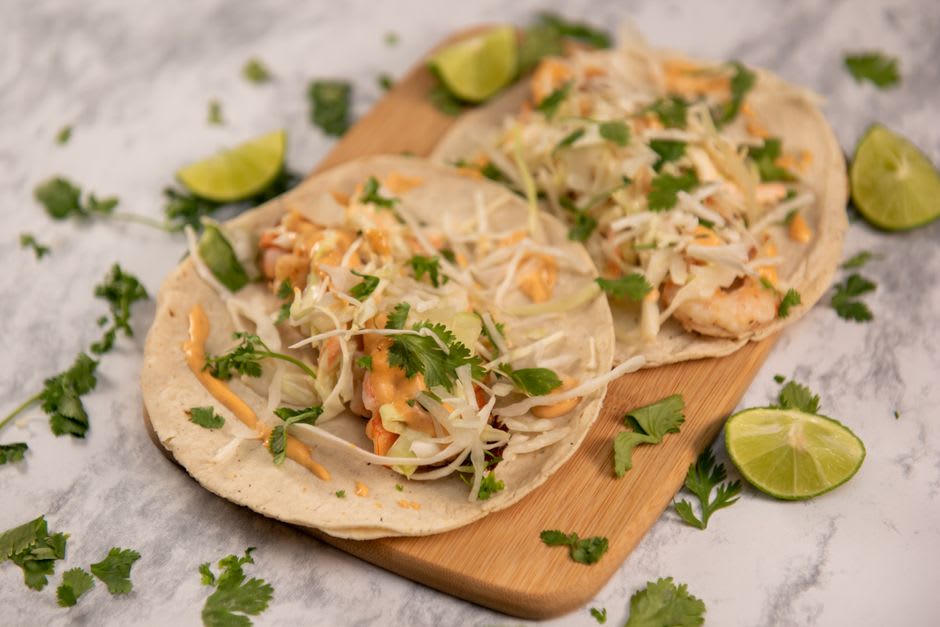
Tampico has a local food identity that is specific and unapologetic. The thing nobody tells you about is the taco de camarón al estilo Tampico — a corn tortilla filled with whole Gulf shrimp cooked in butter and chiles de árbol, served from carts that appear around the Mercado Modelo from mid-morning onward. They are extraordinary: fat shrimp, real heat, the tortilla slightly charred and just barely holding together. Inside the Mercado Modelo on Calle Moctezuma, the mariscos section occupies most of the back half — oysters, jaiba, whole snappers on ice, and vendors selling huatape, the local shrimp and epazote broth that almost nobody outside the region seems to know about. I ordered a bowl at eleven on a Tuesday and sat at a plastic stool for forty minutes eating slowly, watching a fisherman argue gently with a vendor about the price of a crate of crab. This is exactly the kind of scene that makes you feel fortunate to have shown up.

Afternoon Light on the Lagoon
The Laguna del Carpintero is a shallow saltwater lagoon pressed against the northern edge of the downtown, and in the late afternoon it becomes the social center of the city. Families walk the malecón while herons stand motionless in the shallows and roseate spoonbills — pink enough to seem implausible — work through the reeds forty meters from the restaurant terraces. I sat at a table along the shore around five o’clock, ordered a cold beer and a plate of oysters with lime, and watched the spoonbills until the light turned gold and the pelicans started coming in low over the water. The lagoon has been cleaned up considerably in recent years. It feels genuinely calm, which is not something I expected from a port city of half a million people.
Getting There
Tampico has an airport with direct connections to Mexico City, Monterrey, and several US cities. By bus, it is roughly three hours from Monterrey and six from Mexico City — ETN and Primera Plus both run comfortable overnight routes. The centro histórico is entirely walkable once you are there. For the Laguna del Carpintero, a taxi from the Plaza de Armas takes about five minutes and costs almost nothing.