San Fernando Tamaulipas
"A million ducks. Nobody else. The Gulf in its original state."
I drove into San Fernando on a Tuesday in January, coming down from Matamoros on Federal 101 with the wind pushing the car sideways and the landscape flattening out so completely I thought I’d miscalculated. The town announced itself with a taquería sign and a Pemex. I ate a taco de cabeza at a folding table on Avenida Juárez, asked the man across from me if there was anywhere to see the lagoon, and he looked at me the way people look at someone who has just asked about something they consider too obvious to require a question. He pointed south. That was it.
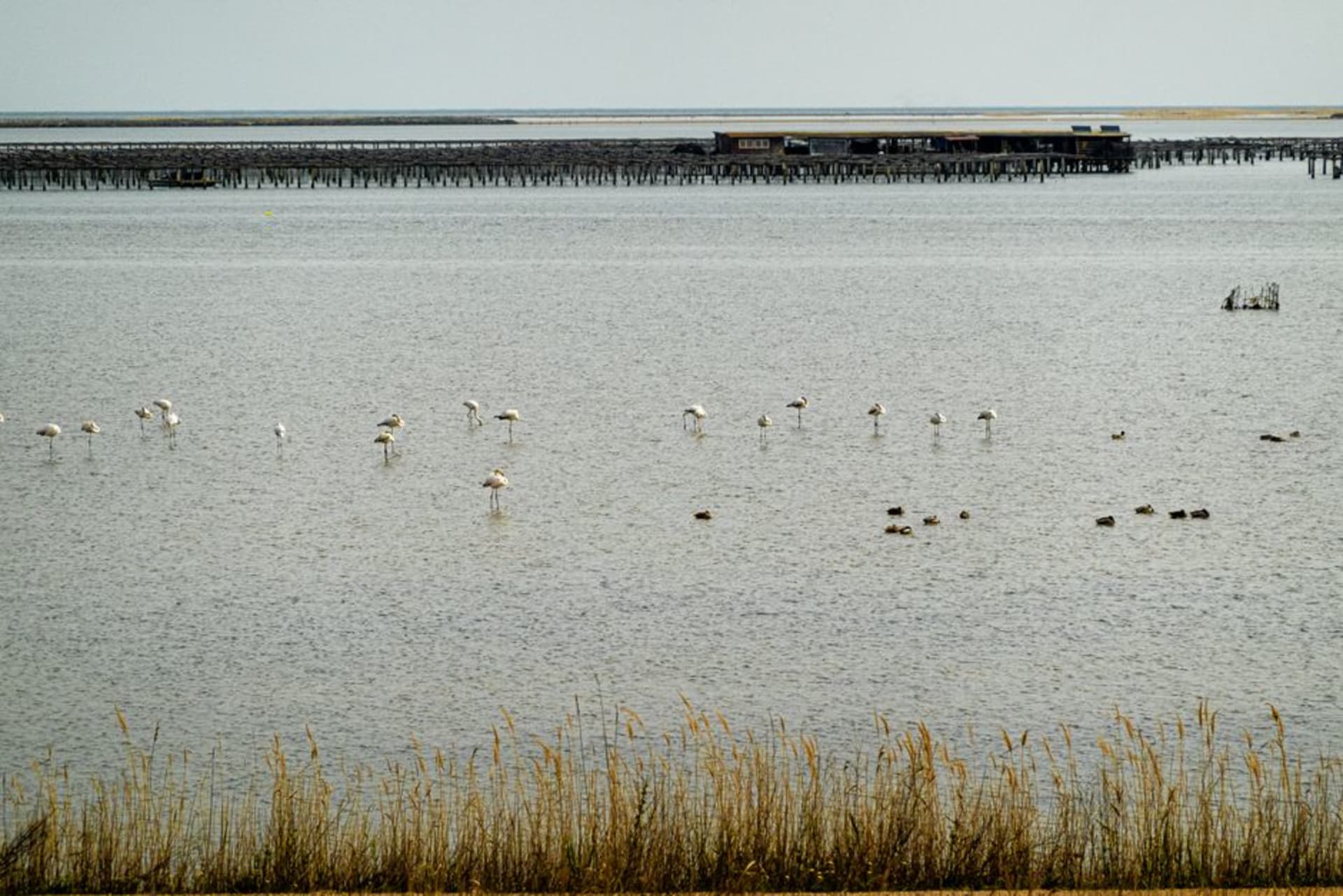
The Laguna Madre and the Redheads
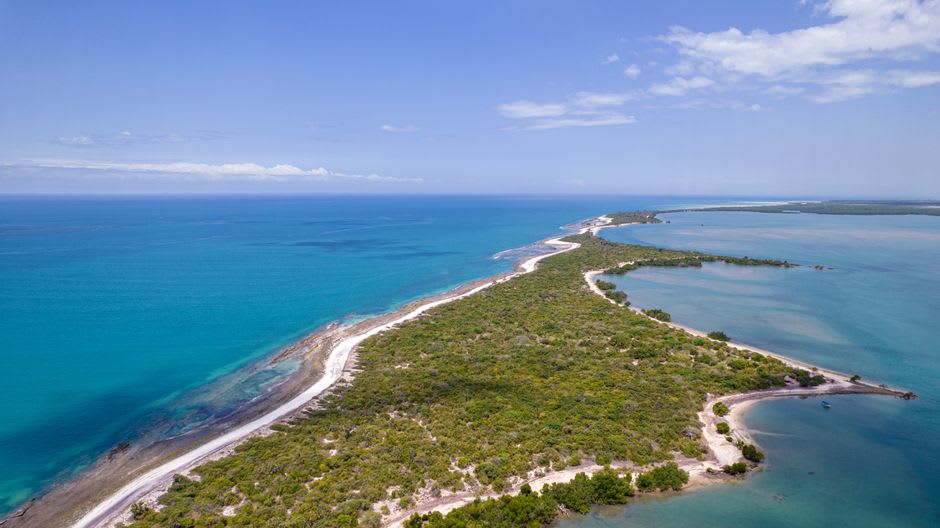
There is a number that stops feeling real after a while: one million redhead ducks. Not one million in theory — one million visible, audible, sometimes landing close enough that you can see the chestnut on their necks catch the low winter light. The Laguna Madre runs parallel to Padre Island along a thin strip of the Gulf coast, and it is hypersaline enough that most fish cannot survive, which keeps boat traffic negligible and aquatic vegetation dense — exactly what redheads need. By December the birds have come down from the prairies of Canada and the northern US and they stay through February, rafting in enormous shifting masses in the shallower bays. I found an unpaved track off the road to La Pesca and walked the last two kilometers to the water’s edge. There were no other people. The sound the ducks make en masse is not quacking — it is a low, continuous churr, like a river heard from a distance, and it does not stop.
Shorebirds, Marsh, and the Road to La Pesca
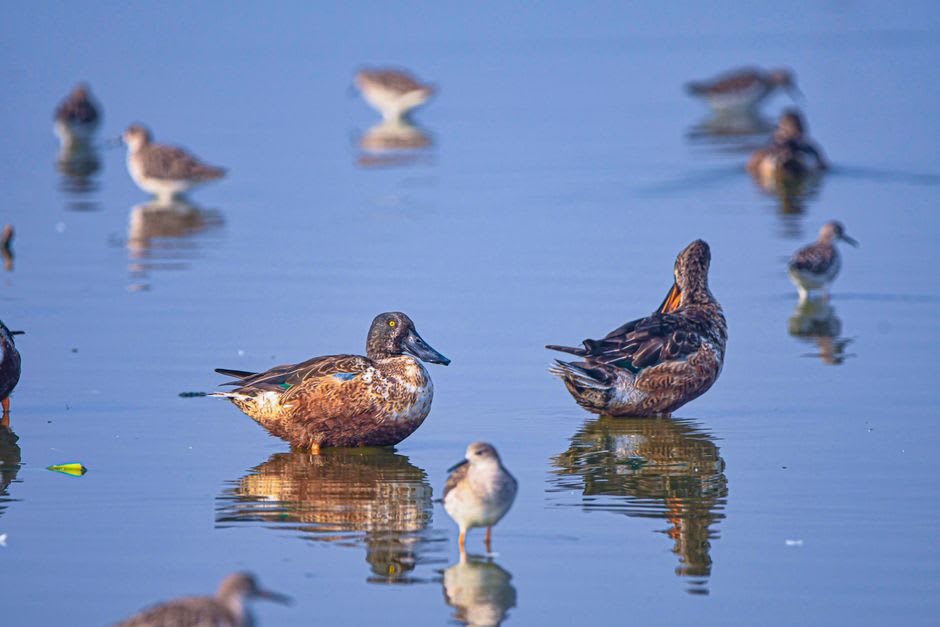
The lagoon does not begin and end with redheads. Driving the unpaved route toward La Pesca in the early morning, I stopped four or five times — once for a roseate spoonbill feeding fifty meters from the road, once for a flock of black-bellied whistling ducks cutting low across a flooded pasture. The marsh edges hold least grebes, white ibis, and in winter, enormous numbers of long-billed dowitchers probing the mudflats in synchronized mechanical rhythm. La Pesca itself is a fishing village at the mouth of the Río Soto la Marina, worth reaching for the drive alone. The fishermen there sell whatever came up in the nets that morning from plank tables near the water — lisa, robalo, jaiba — and a woman near the boat ramp makes a caldo de mariscos that tasted, on a cold morning with the wind off the Gulf, like the best possible argument for being exactly where I was.
The Town Itself
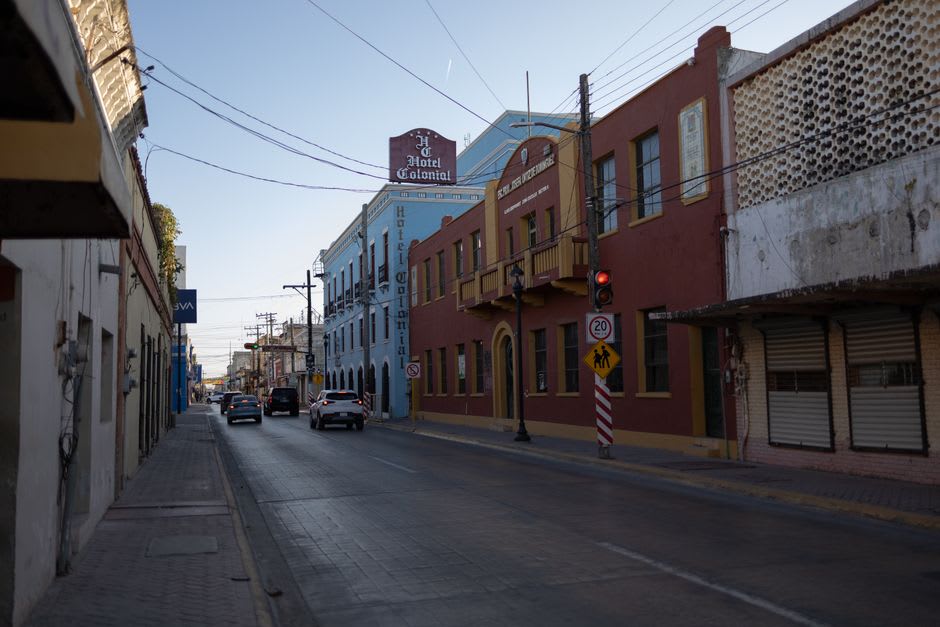
San Fernando is functional rather than picturesque. The plaza has a church, a few benches, an ice cream cart that appears by four in the afternoon regardless of temperature. The market on Calle Hidalgo sells dried chiles, cheap rubber boots, and machetes alongside the usual vegetables. There are restaurants doing norteño staples — carne asada, cabrito, machacado con huevo in the mornings. Nobody here is expecting visitors with binoculars, which is part of what makes it feel like something preserved rather than performed.
Getting There
San Fernando sits on Federal Highway 101, roughly 130 kilometers south of Matamoros and about 350 kilometers northeast of Monterrey. There is no direct bus from Mexico City — the practical approach is Matamoros or Reynosa by air, then a local bus or rental car south. The best months for birds are December through February. Bring rubber boots if you plan to walk the lagoon margins.