Miquihuana
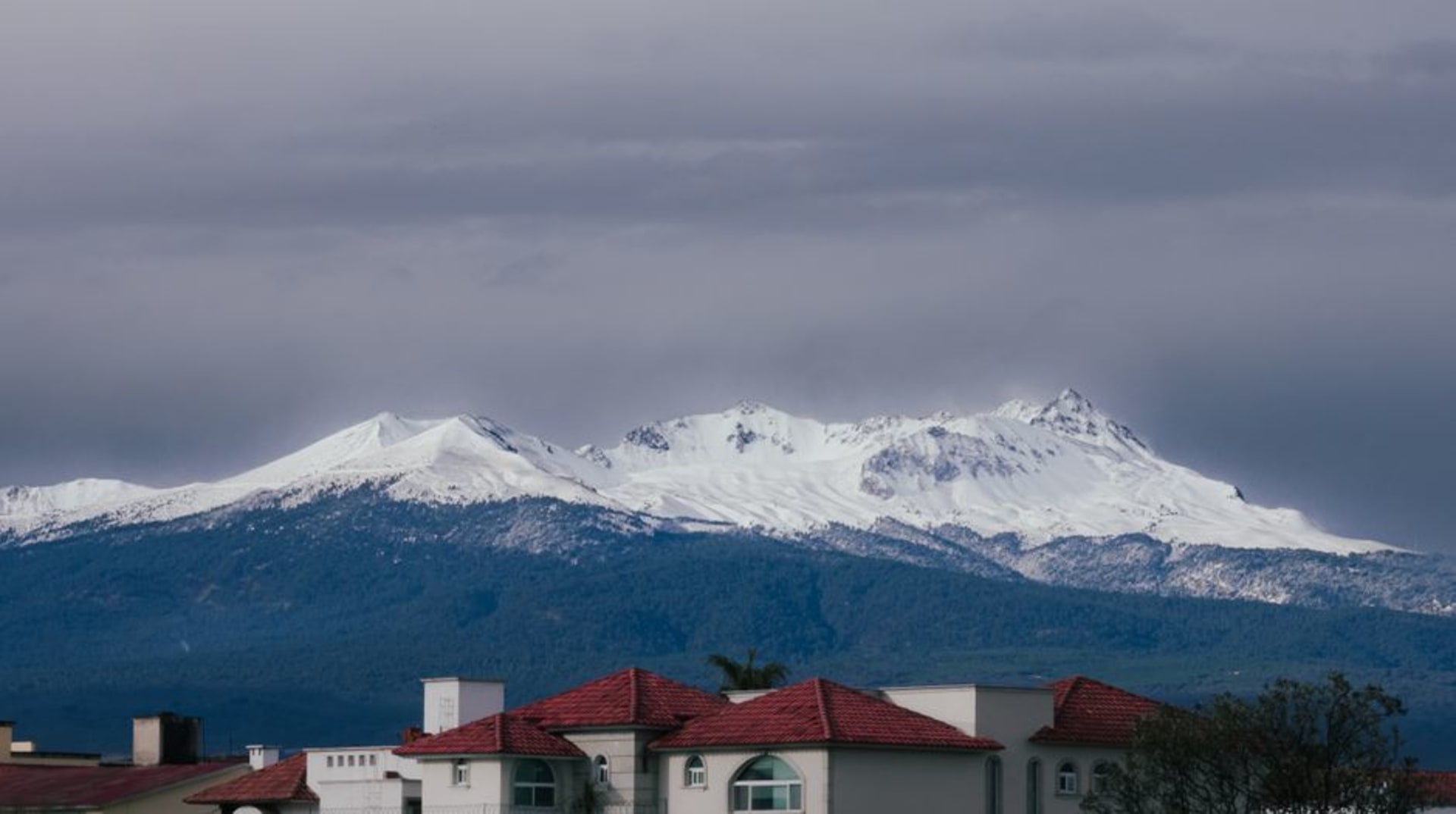
"It snowed in Tamaulipas. Nobody believed me until I showed them the photos."
I had told people I was going to Tamaulipas and they offered the usual warnings — security checkpoints, highways to avoid, travel in daylight. Nobody mentioned the cold. Nobody mentioned that at 2,400 meters, in a canyon carved so deep into the Sierra Madre that the December sun clears the eastern ridge only around ten in the morning, there would be frost on the chapel steps and woodsmoke hanging so thick in the air you could taste the pine resin from across the square. I arrived in a borrowed fleece that was entirely inadequate. Miquihuana had opinions about that.
The Canyon the Sun Barely Reaches
The thing photographs struggle to convey about Miquihuana is the verticality. The village does not sit in the mountains so much as cling to them — houses stacked along slopes so steep that descending from the church to the mercado means gripping a stone wall for purchase. The Cañón de Caballeros drops away on the northern edge of town with an abruptness that makes your stomach drop the first time you lean over and look. Pines crowd every ridge, thick as any forest in Durango or Michoacán, their smell arriving on the wind before the village itself does. In January, the temperature falls below zero. The locals carry this information with the quiet pride of people who have survived something the rest of Tamaulipas cannot imagine. They have. The state’s coastal identity — border crossings, oil, the Gulf — exists in another Mexico entirely. Here the reference points are the highlands: blankets, clay stoves, the slow logistics of altitude.
Orchards and the Kitchen They Feed
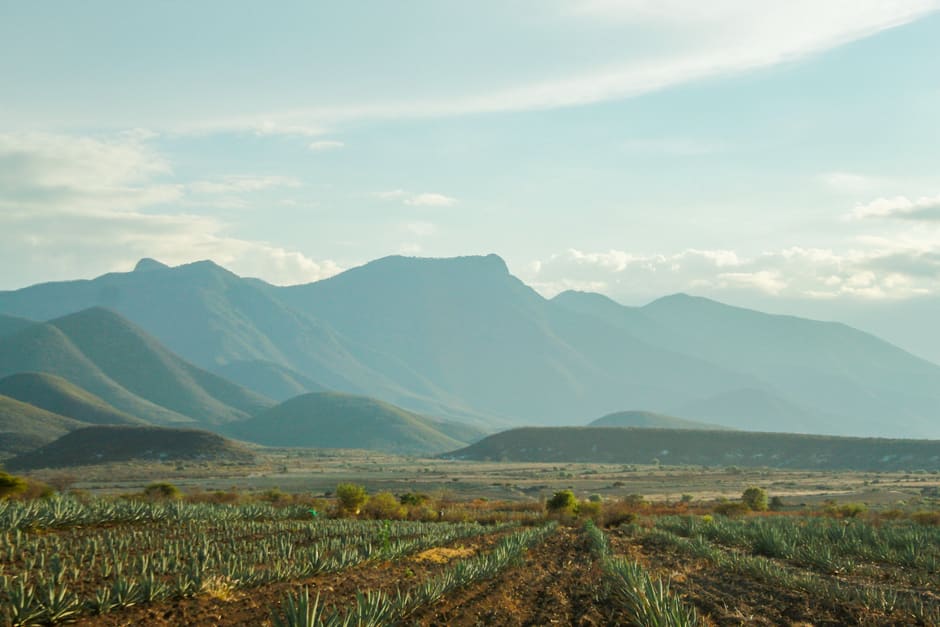
Below the village, the canyon slopes open slightly into terraces where apple trees grow in loose formations, branches bare in winter and weighted with fruit by late summer. The manzanas de Miquihuana are sold in makeshift stands along the road toward Ciudad Victoria, bagged in clear plastic, varieties I did not recognize — smaller than European supermarket apples, more tart, with a density suggesting they have grown slowly and under some duress. In the kitchen they appear in ways I did not anticipate: stirred into atole at the market stall near the parish, folded into empanadas de canela sold from a plastic tub by a woman who sets up near the presidencia municipal around eight in the morning and is usually sold out before ten. The gorditas here are mountain gorditas — thick masa, charred slightly on the comal, filled with frijoles and chile pasado that has been dried and rehydrated with a smokiness that coats the back of the throat. I ate two standing up in the cold and immediately wanted a third.
Stone Chapels and the Long Afternoon
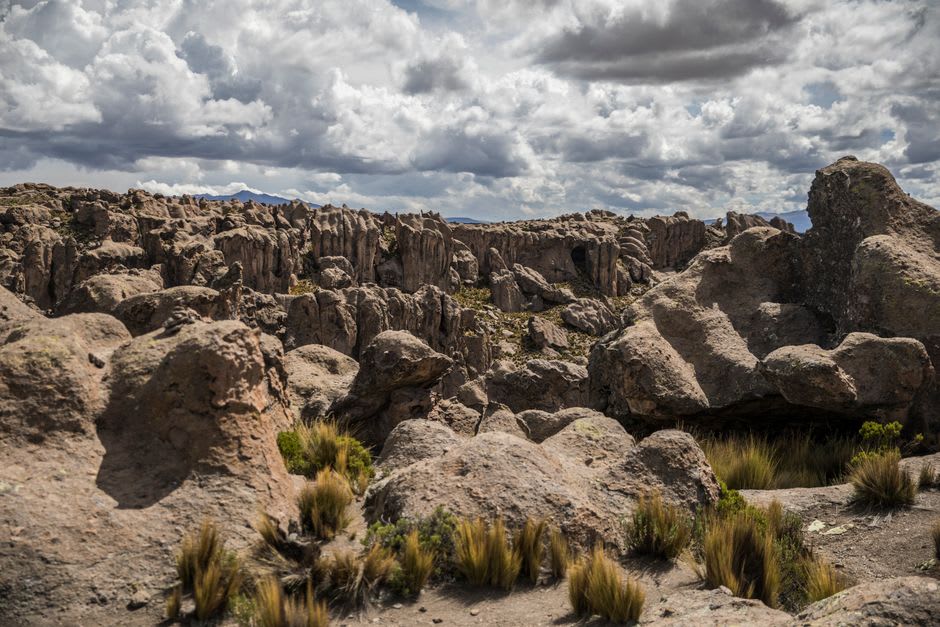
The Parroquia de San Bernabé anchors the plaza with the solidity that comes from having been rebuilt at least once after an earthquake and declining further persuasion. Inside, the air is cold even in summer — that permanent stone cold of colonial churches I find myself seeking in the afternoon, when the light through the altar window turns amber and there is nobody else around. The town’s isolation is not dramatic. There are no signs announcing it. It lives in the rhythm of the place: the lunch hour extending past three, the hardware store that sells rope and seed and also cider vinegar in unlabeled bottles, conversations on the portal that happen without urgency. I sat with a coffee at a table outside the single restaurant facing the square and watched a dog negotiate the stone steps with the authority of someone who has made this calculation ten thousand times and knows exactly where to place each foot.
Getting There
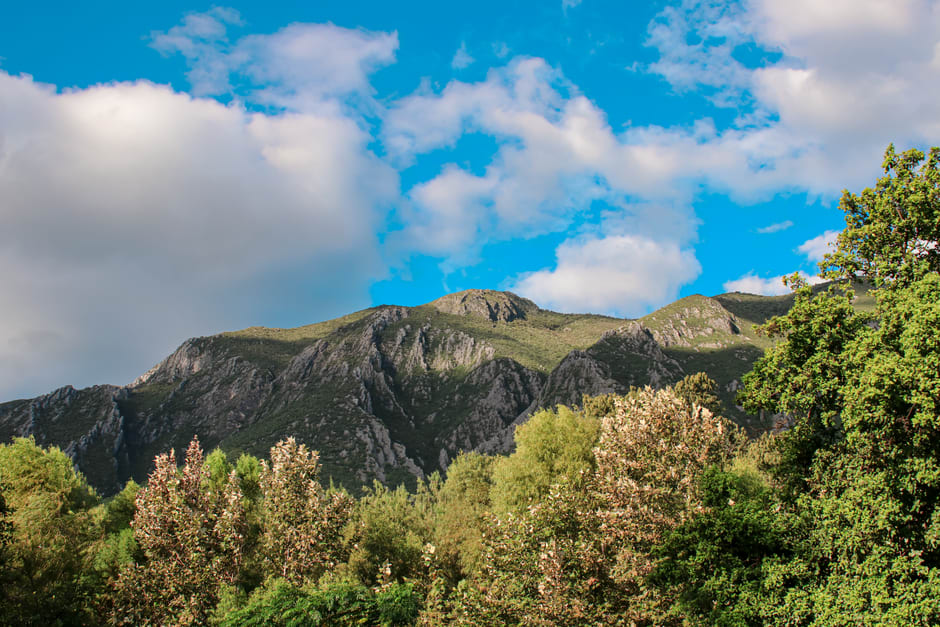
From Ciudad Victoria, Miquihuana is around 140 kilometers southwest — roughly three hours on Federal Highway 101 to Jaumave, then a mountain road that climbs through the Sierra Madre. The road is paved but narrow and demands attention in fog, which arrives without ceremony. Collective taxis run occasionally from Jaumave. Plan to stay at least one night: the drive back in darkness is not recommended, and the evenings in Miquihuana, once the woodsmoke settles and the temperature drops hard, are worth staying for.