
Matamoros
"People are surprised I went to Matamoros voluntarily. I am surprised they have not."
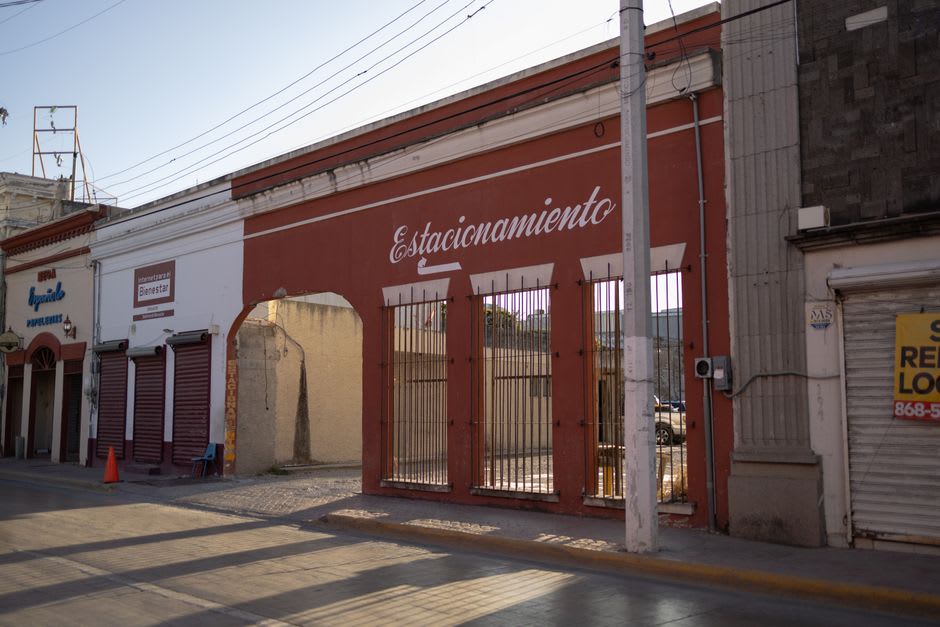
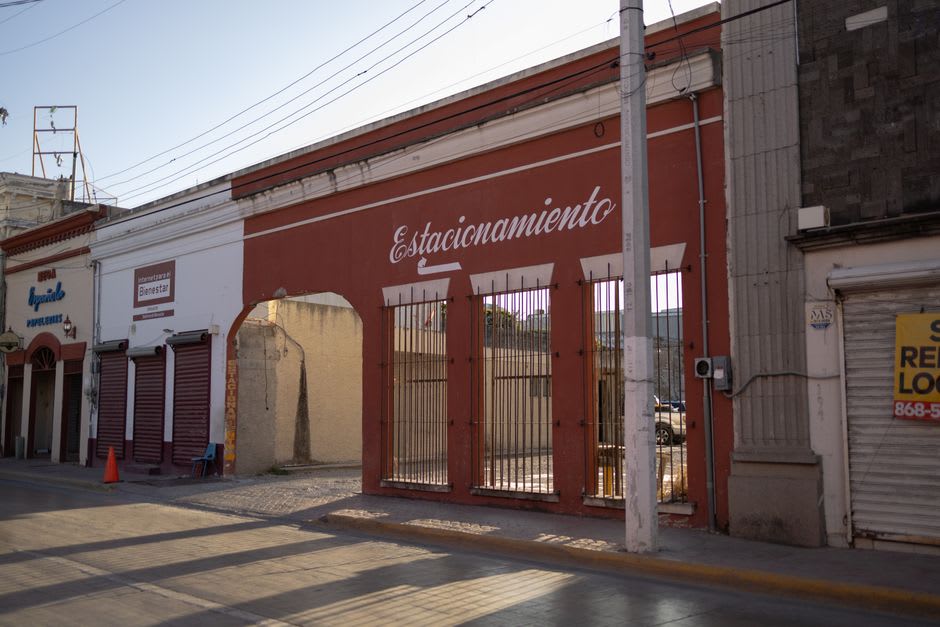
The taxi from the central de autobuses dropped me on Calle Abasolo as the morning light hit the facade of a building I could not immediately identify — art deco curves, carved stone, a dignity that cities do not accumulate by accident. I had booked one night. Matamoros does not have the kind of reputation that would suggest extending that stay; it has something closer to a reputation for being passed through, or avoided entirely. Both assessments miss the point. What the city actually has, tucked between its border-crossing urgency and the flat distance of the Río Bravo beyond, is one of the most coherent historic downtowns in northern Mexico.
A Downtown Built for Permanence
The Teatro de la Reforma sits on Plaza Hidalgo with the confidence of a building that knows it belongs. Inaugurated in 1909 and restored with a care that most Mexican border cities never bother with, it is genuinely handsome — neoclassical columns, a painted ceiling inside that you have to ask to see, the particular hush of a theater that is actually used. Around it, the old Zona Rosa extends through several blocks of wrought-iron balconies, tiled facades, and arcade-covered sidewalks where the light behaves differently in the afternoon than in any other city I can name along the northern border.
The market building on Abasolo — the old arcades — is where this architecture becomes livable rather than merely impressive. Vendors have been operating here for generations; the stalls sell herbs, textiles, and things that defy easy categorization, and the building itself, with its high vaulted ceilings and the way sound moves through it, rewards twenty minutes of wandering before you buy anything.
Matamoros had money in the early twentieth century, and it spent some of it on permanence. The evidence is still there.
The Pandería Problem
I say problem because once you find a good Tamaulipas pandería, the rest of your schedule becomes theoretical. The border region has its own baking tradition — shaped by Nuevo León, by Texas, by a century of flour over corn — and Matamoros executes it with a seriousness I did not expect. The pan dulce here is different from what you get in Oaxaca or the capital: heavier on butter, less aggressively sweet, with a preference for savory-adjacent pastries that work at any hour. There is a pandería on Calle 6 near the Zona Rosa that opens at six in the morning; I was there at six fifteen and the line was already forming.
Lunch pivots to carne asada territory, because Tamaulipas does not equivocate about its norteño cooking. The gorditas de la barda near the market are worth hunting down. The cabrito, when you find a place doing it seriously, is a reminder that this state has its own culinary logic — one that owes very little to whatever the rest of Mexico is doing and a great deal to the ranching country that surrounds it.

What to Do With the Time You Have
The honest advice: walk. Spend a morning in the four or five blocks radiating out from Plaza Hidalgo and you will understand the city’s bones. Go into the Teatro de la Reforma if it is open; ask at the box office whether anything is scheduled. Follow Calle Abasolo from the market toward the older residential streets where the balconies become more elaborate and the houses more faded. At some point, cross toward the malecón along the Río Bravo and sit with the fact that you are looking at Texas from Mexico, which never becomes entirely unremarkable.
Save the late afternoon for the Zona Rosa. The cafés are quiet, the light comes in at a low angle, and nobody is going to hurry you out.
Getting There
ADO and Omnibus de México both serve Matamoros from Monterrey (roughly four hours) and Reynosa (about two hours). From further south, most routes connect through Monterrey. The Gateway International Bridge handles foot crossings from Brownsville, Texas. The centro histórico is a short taxi ride from both the bus station and the bridge; the walk from the bridge, if the afternoon is cool, is manageable and instructive.