La Pesca
"I drove four hours on roads that Google Maps had quietly given up on and arrived to find the most beautiful nothing I had seen in months."
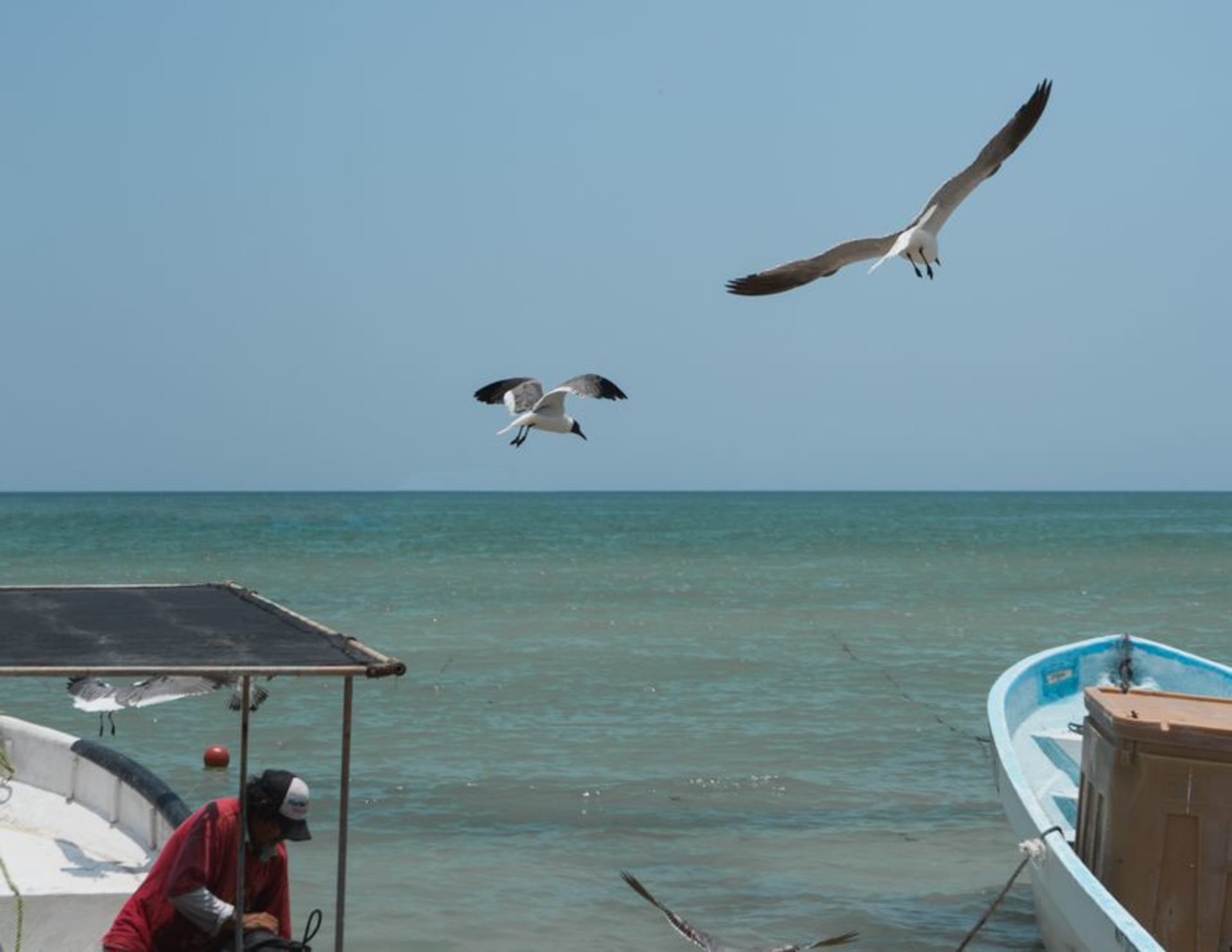
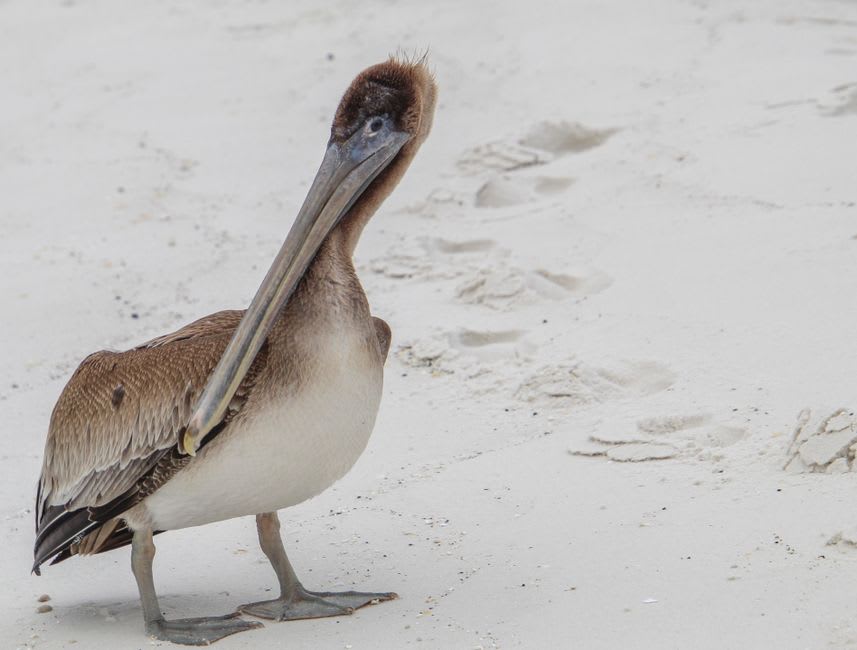
I had been told about La Pesca by a sport fisherman in Tampico who described it the way people say the name of a place they consider privately theirs — quietly, as if volume would ruin something. Four hours later, after a highway that softened into a state road that softened further into something my GPS had stopped annotating, I crossed a low concrete bridge over the Río Soto la Marina and the Gulf appeared in front of me: flat, pale, enormous, and entirely empty of other people. A pelican sat on a wooden post with the patience of someone who has nowhere else to be. I turned off the engine and stayed there a while. That seemed like the right response.
Where the River Meets the Sea
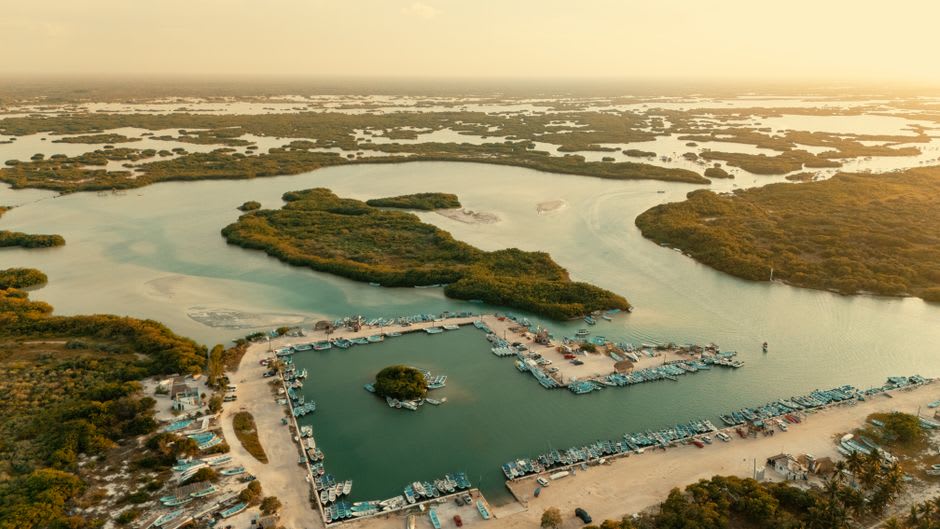
La Pesca exists, in its current form, because of the tarpon. Every October through December, the mouth of the Río Soto la Marina becomes one of the most productive sport-fishing points on the Gulf of Mexico, and Mexican anglers drive from Monterrey, Saltillo, Tampico — some from as far as Mexico City — with serious boats and serious rods and a certainty about the fish that I found quietly impressive. The tarpon here run large, sometimes over a hundred kilos, silver-sided and violent when hooked. I watched a man fight one for close to forty minutes from a wooden panga just beyond the river mouth, the guide holding the boat against the current with a small outboard, nobody speaking. When the fish finally broke the line, no one seemed particularly bothered. The thing about fishing culture, I have noticed all along the Mexican coast, is that the process is the point. The catch is almost incidental. There is a boat-rental operation near the bridge — ask at any of the palapa restaurants and someone will know whose phone to call.
Miles of Unpeopled Shore
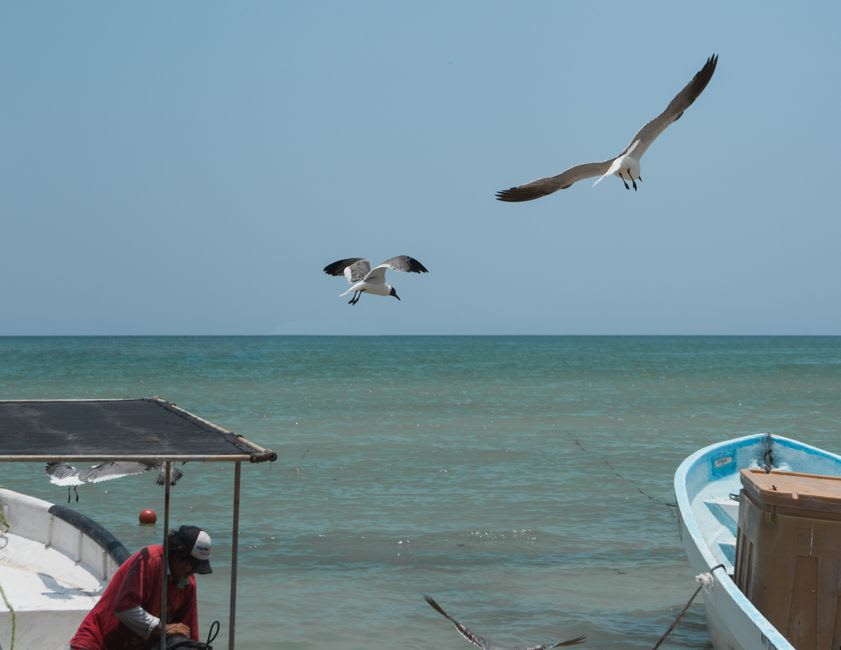
The beach north of the river mouth runs for something close to forever. No hotels. No beach clubs. No chairs for rent, no vendors, no speakers. In the afternoon, the light comes off the Gulf at an angle that turns wet sand a dull copper, and the only things moving are the surf and a constant, unhurried traffic of brown pelicans flying single file a meter above the water. I walked north for an hour and turned around without reaching anything — no structure, no person, no litter — which felt remarkable and slightly unreal. On the estuary side, the lagoon behind the dune fills at high tide with herons, egrets, and a population of roseate spoonbills that appeared around five in the evening like a delegation arriving unannounced. There is no interpretive signage. There is no visitor center. There is the light and the birds and the smell of salt and river mud, and if you have brought a hammock and a way to hang it between the few scrubby trees along the bank, you are already done.
The Palapas Near the Bridge
The eating options are two or three open-air restaurants clustered near the bridge, all of them serving essentially the same menu and all of them good at it. Mojarra frita — whole fried cichlid, crackling skin, soft white flesh — arrives with handmade tortillas and a salsa that is mostly árbol chile and tomato. Caldo de camarón came to my table in a clay pot still bubbling, deeply orange, with a rawness to the shrimp that made clear they had been in the Gulf that morning. Beer is cold. Coffee is Nescafé. Everything closes by eight in the evening, and the regulars — mostly fishermen from Tampico spending the weekend — do not seem to find this inconvenient at all.
Getting There
From Tampico, take Federal Highway 180 north toward Soto la Marina, then follow the signs east to La Pesca — the final stretch is roughly forty kilometers of two-lane road in variable condition. From Monterrey, allow four hours via Highway 40 east and then south through Soto la Marina town. There is no meaningful public transport. A working spare tire is not optional.