Jaumave
"The kind of landscape where you stop the car every ten minutes and just stand there in the middle of the road."
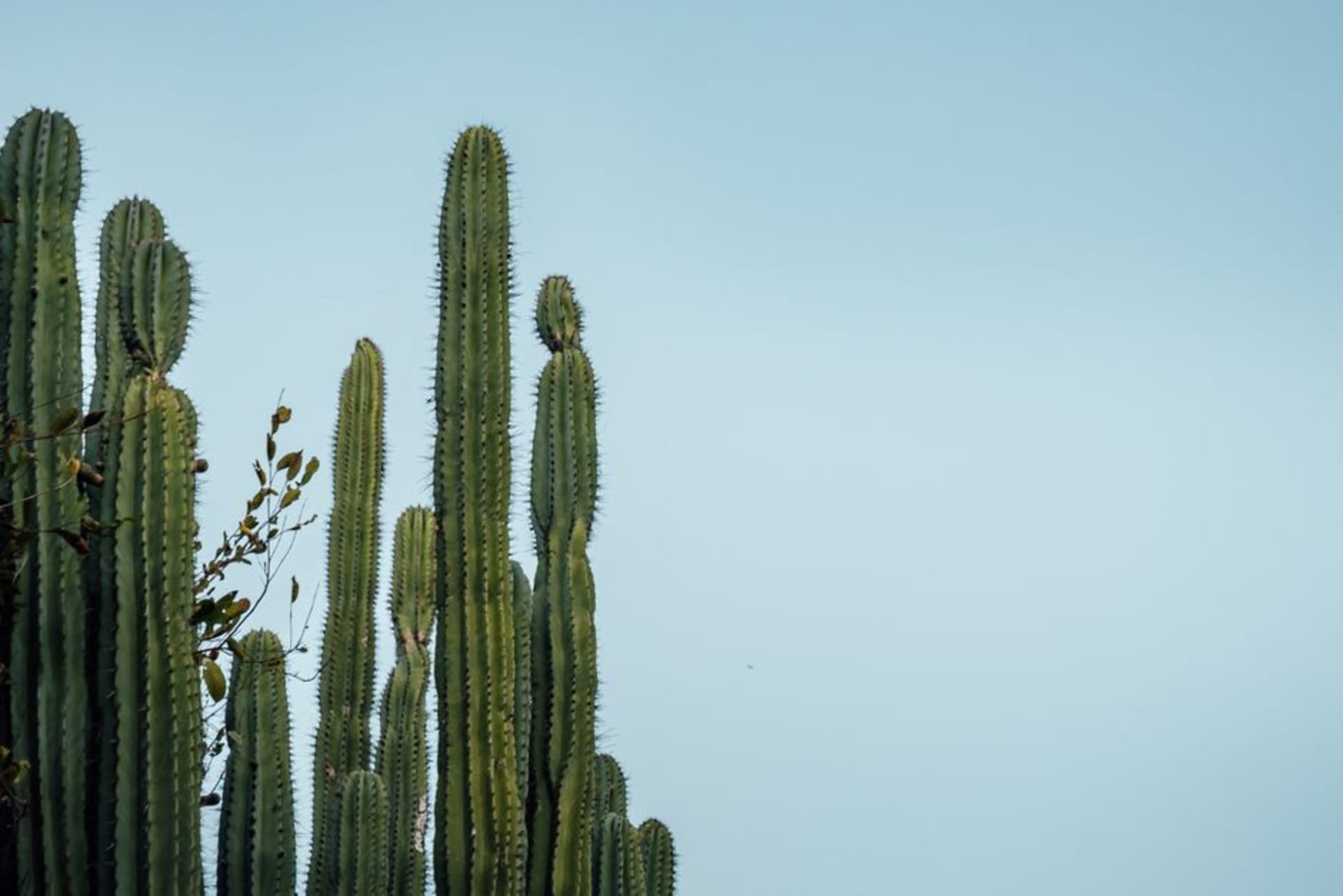
I pulled over for the fourth time somewhere between Ocampo and Jaumave, engine ticking in the silence, standing in the middle of Highway 101 because there was no one else on it and the cardón were doing something extraordinary in the late afternoon light. Each column stood maybe twelve meters tall, some of them forked twice, casting precise blue shadows across the pale limestone rubble. I had budgeted an hour for this stretch of road. It took nearly three.
A Desert That Rises With the Mountains
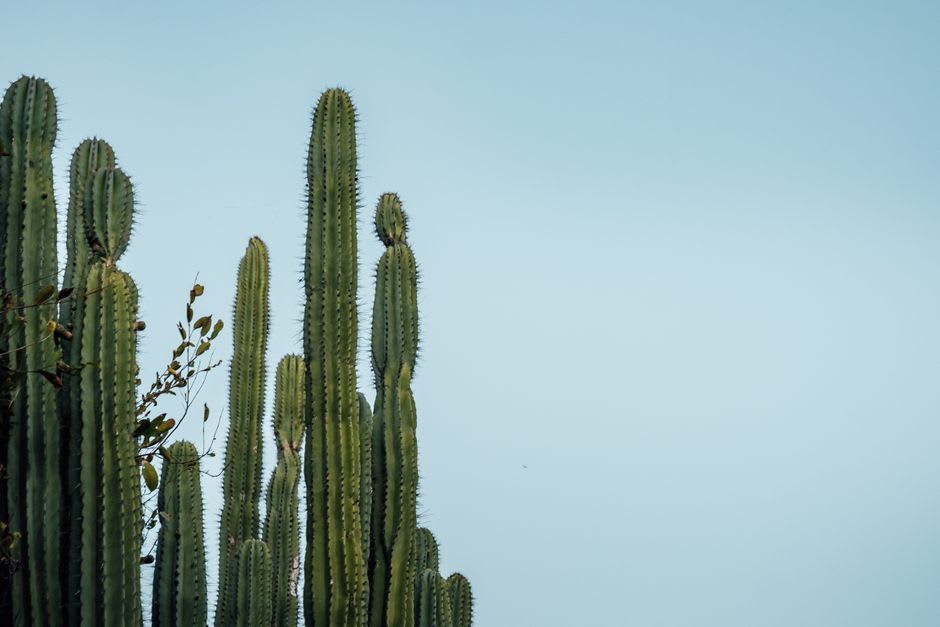
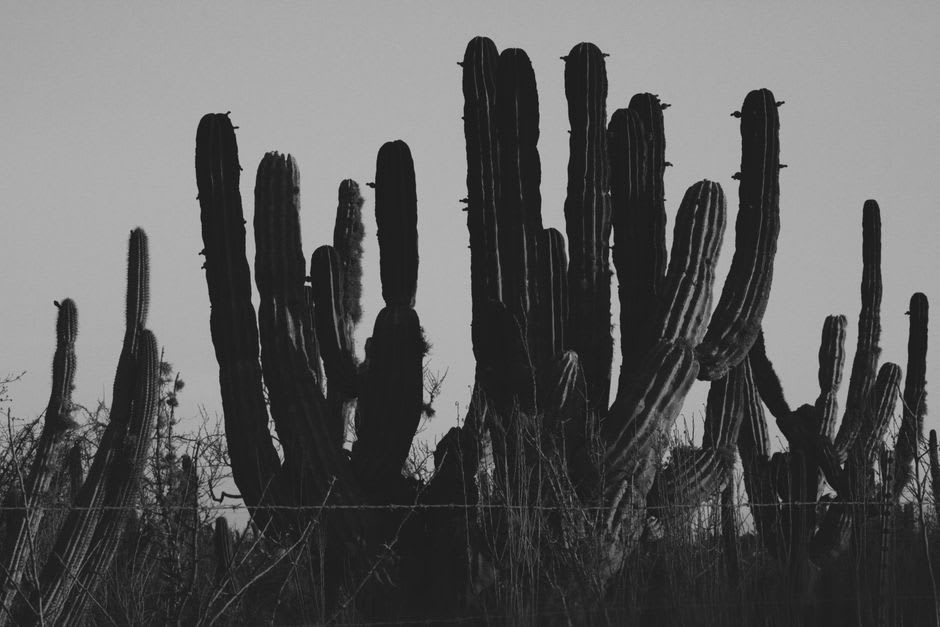
The approach from the east — Highway 101 out of Ciudad Victoria, through Ocampo — is the kind of drive that demands you accept you will be late. The Sierra Madre Oriental here does something geologically unusual: it folds into a high limestone valley that sits between 600 and 900 meters, warm enough for true desert ecology but cooled at night into something almost alpine. The result is a cactus landscape of near-absurd density. Organ pipe forests so thick the pale limestone beneath them nearly disappears. Cardón reaching fifteen meters, prickly pear sprawling between them like low green architecture, and occasional yellow-flowering agave stalks rising above everything else like exclamation marks.
From the viewpoints along the descent toward town, the valley opens below you in a way that takes a moment to process. It doesn’t look like the rest of Tamaulipas. There are days in January when the peaks around it carry snow, and the cacti stand against white hillsides in a combination I find slightly unreal every time I see it — like two different climates occupying the same frame.
The Mission and the Plaza
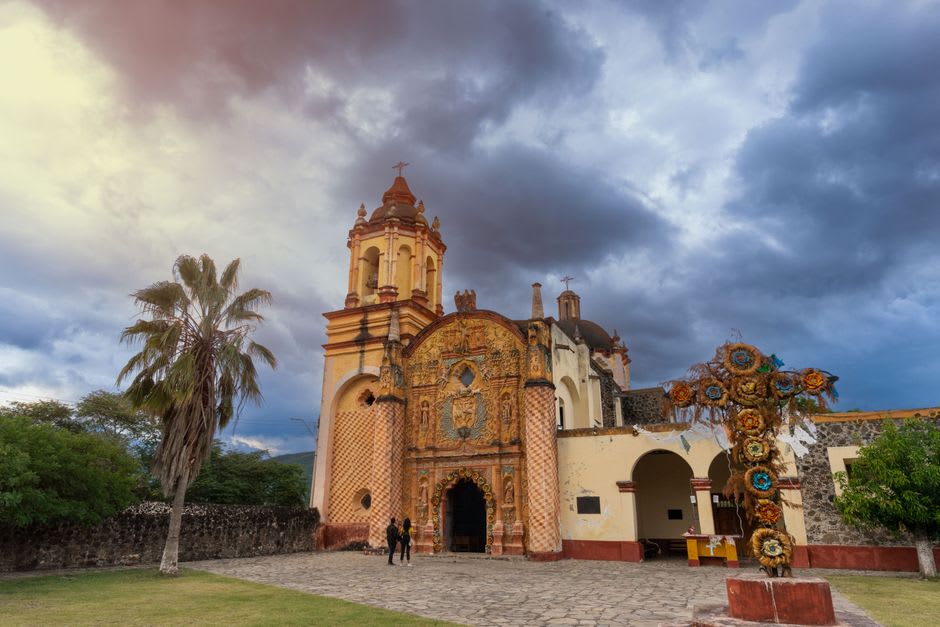
The town itself is quieter than the drive in suggests. Jaumave was established by Franciscan missionaries in the 18th century, working through what was then considered hostile Chichimec territory, and the mission church on the main plaza dates to around 1750 — though it has been rebuilt and patched enough times that reading its age requires some imagination. What it keeps is scale. The interior is unexpectedly large for a town this size, and the retablo at the altar, which the sacristan — an older man named Guadalupe who opened the side door for me without being asked — described as one of the older surviving ones in the region.
The plaza operates on tamaulipeco time, meaning slowly. On Saturday mornings a small market spreads across the north side: dried chiles in paper bags, cascabel and chile seco del norte, handmade cheese wrapped in cloth. A woman near the church entrance was selling gorditas de frijoles, dark and heavy and excellent, the kind of food that requires no context to appreciate. I ate two standing up and considered a third.
How to Use the Time
Jaumave is not a destination you arrive at with a fixed agenda. The cacti deserve a proper walk — dirt roads heading north out of town into the valley floor let you move between the organ pipes at close range and watch for curve-billed thrashers and roadrunners working the rocky margins. Bring more water than you think you need. The limestone heats quickly after 10am.
In the evenings the plaza fills and the taquería on the north side — the one with the plastic chairs that wobble on the cobblestones — serves birria de chivo in a clay bowl dark enough to suggest it has been cooking since sometime the day before. Order it with tortillas de harina. Stay long enough to warrant a second bowl.
Getting There
Jaumave is roughly 120 kilometers southwest of Ciudad Victoria via Highway 101 through Ocampo. The road is paved and in decent shape, though narrow in stretches. I found no bus service worth relying on — a rental from Victoria or your own vehicle is the only honest option. Plan two hours for the drive if you intend to stop and photograph. You will stop and photograph.