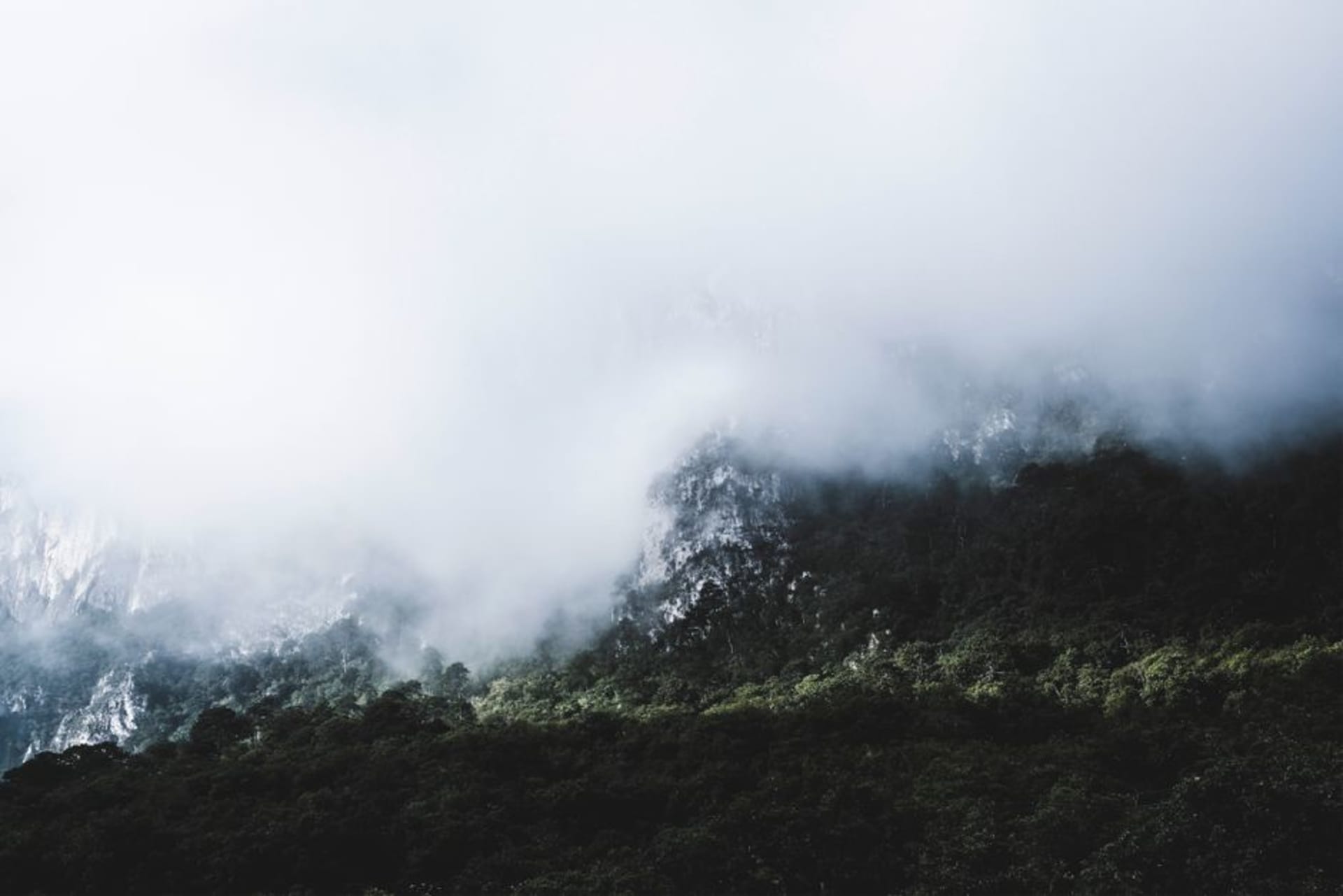
El Cielo
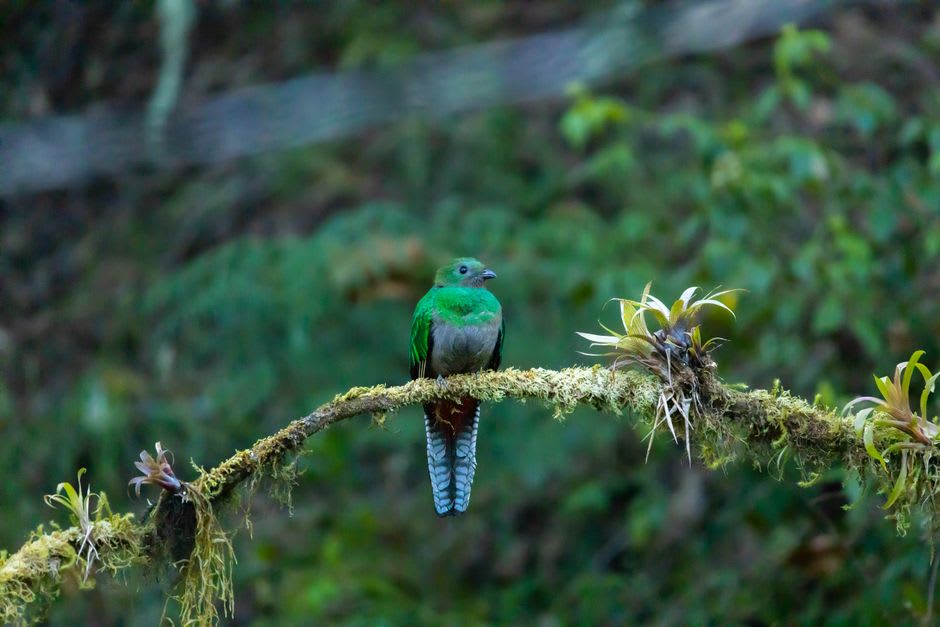
"A quetzal sighting in Tamaulipas. I had to explain to people why I was shaking."
I got the tip from a retired schoolteacher I met at a comedor in Ciudad Victoria — the kind of man who carries field notes in a spiral notebook and photographs birds with the focused patience of someone who has been doing this for decades. He showed me a photo on his phone: a resplendent quetzal, tail feathers trailing past a wet branch, taken two weeks earlier in the cloud forest above Alta Cima. Tamaulipas. I had to read the caption twice. Three days later I was on a colectivo to Gómez Farías with borrowed binoculars and a schedule I had quietly abandoned.
Four Worlds in One Sierra
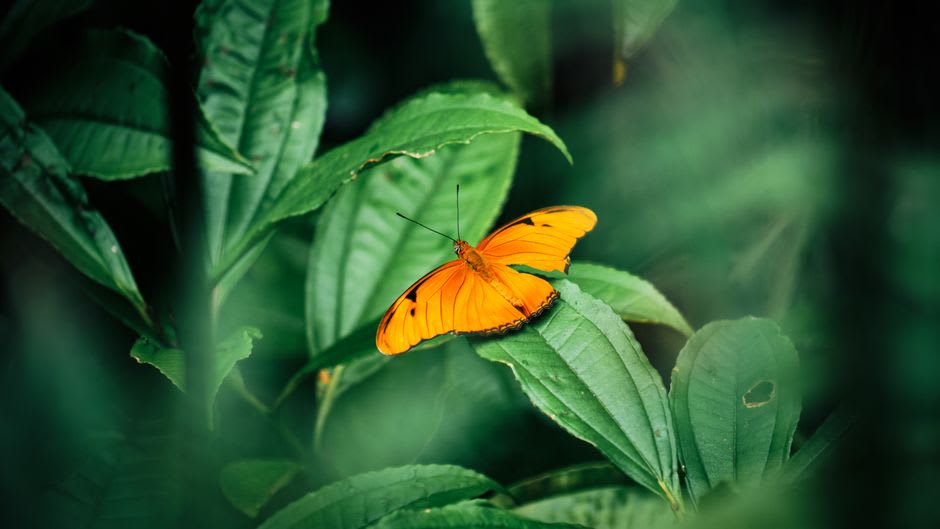
The reserve covers roughly 144,000 hectares of the Sierra de Guatemala, and what makes it genuinely disorienting is the vertical compression. You climb from the humid lowlands outside Gómez Farías — where the air smells of overripe fruit and the butterflies are cartoonishly large — through dry scrub, then subtropical forest, then cloud forest that pulls moisture directly out of the atmosphere and deposits it on every surface within reach. Pine-oak above that. The whole sequence in the space of an hour’s ascent.
Each zone has its own bird list, and the cloud forest around Alta Cima, at roughly 1,200 meters, is where things become serious. The quetzal is the headline, but there are also trogons, blue-crowned motmots, keel-billed toucans, and a density of warblers in season that a birder from Vermont told me was genuinely competitive with the best sites in Costa Rica. She had been coming every March for four years and had told almost no one. I understood the instinct.
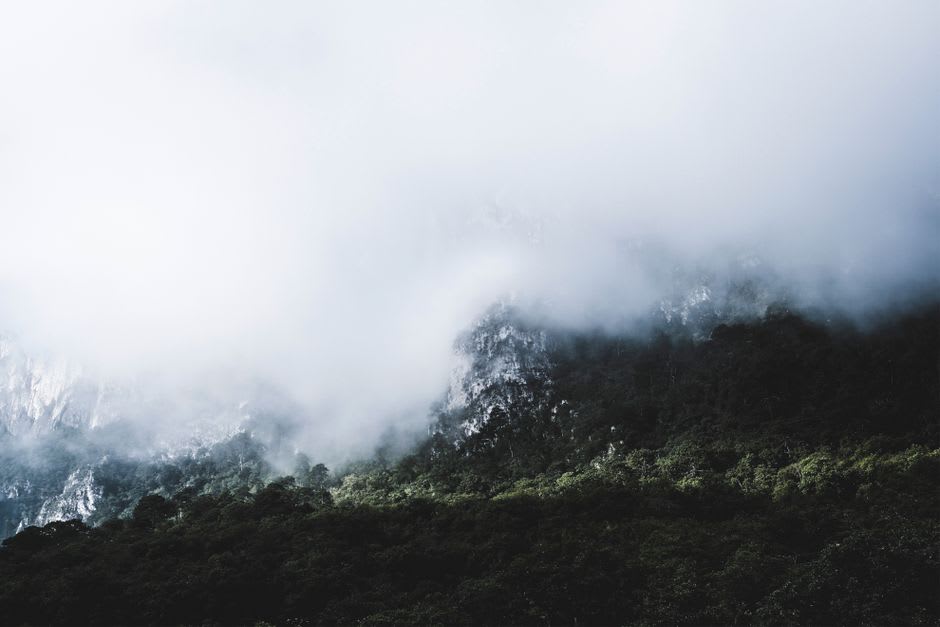
Alta Cima, Quietly
The community of Alta Cima is small — a few dozen families, an ejido guesthouse called the Albergue Ejidal that charges little for a bed and includes meals if you ask. My guide, a man named Rodrigo who had learned these trails before he learned to read, navigated by sound as much as sight. He stopped me once with a hand signal and we stood for four minutes listening to something shift in the cecropia canopy before a keel-billed toucan revealed itself at embarrassingly close range.
The food is simple and correct: black bean soup, eggs scrambled with epazote, fried plantains, tortillas from a wood-fired comal. Nothing written down, everything made that morning. Coffee comes from the lower ejido plots, grown on the sierra’s own slopes, brewed dark. The same families who harvest it take you into the forest at dawn.
What to Know Before You Go
Arrive in the dry season — November through March — which is also when quetzals tend to descend lower on the mountain. I visited in February and found the trails accessible without the full mud commitment that apparently defines rainy-season visits. Bring waterproofs regardless; the cloud forest is wet by definition. Nights are cold even when the lowlands are not. The birding window is five to nine in the morning, which means walking the Cerro de la Culebra trail before the village wakes, headlamp on, the pre-dawn soundscape doing things to your sense of scale that I am still processing.
Getting There
The gateway is Gómez Farías, roughly 80 kilometers southwest of Ciudad Victoria. Shared taxis run between Ciudad Victoria and Gómez Farías in about ninety minutes. From Gómez Farías, local trucks and ejido guides transport visitors up into the reserve — coordinate in advance through the reserve administration or the Albergue Ejidal directly. There is no direct bus service into the reserve itself.