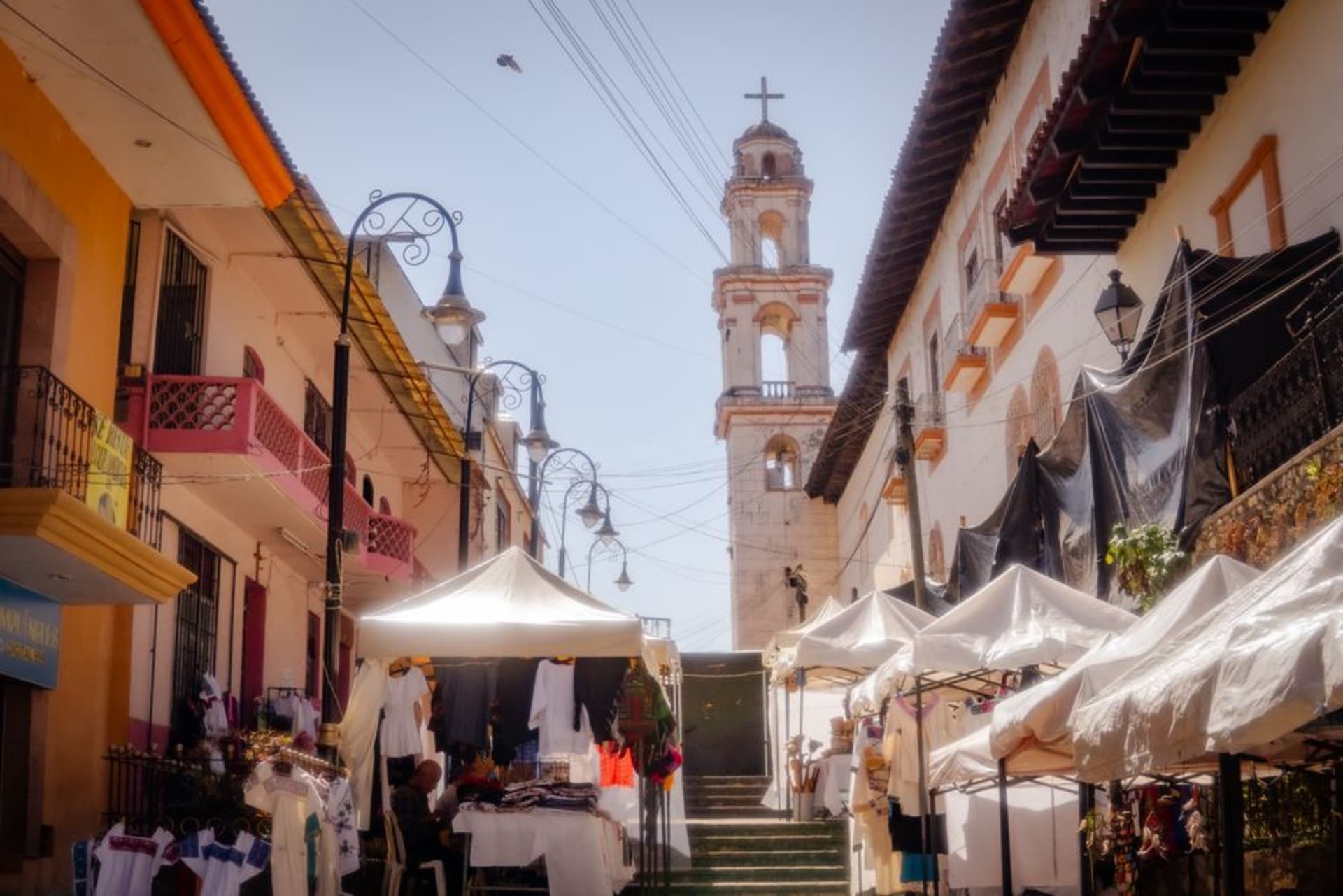
Antiguo Morelos
"A town that does not pretend to be a destination, which is exactly what makes it one."
I came through Antiguo Morelos on a Thursday, which is the wrong day by any practical measure. The market was four days gone, the streets were quiet past noon, and the only café open near the plaza served coffee that had been waiting too long for someone to order it. None of this bothered me. There is something particular about towns in the Tamaulipas lowlands that do not depend on their own arrival — where the orange groves run right up to the church wall, and the air carries something ripening that you cannot quite name.
The Slow Ascent to El Cielo
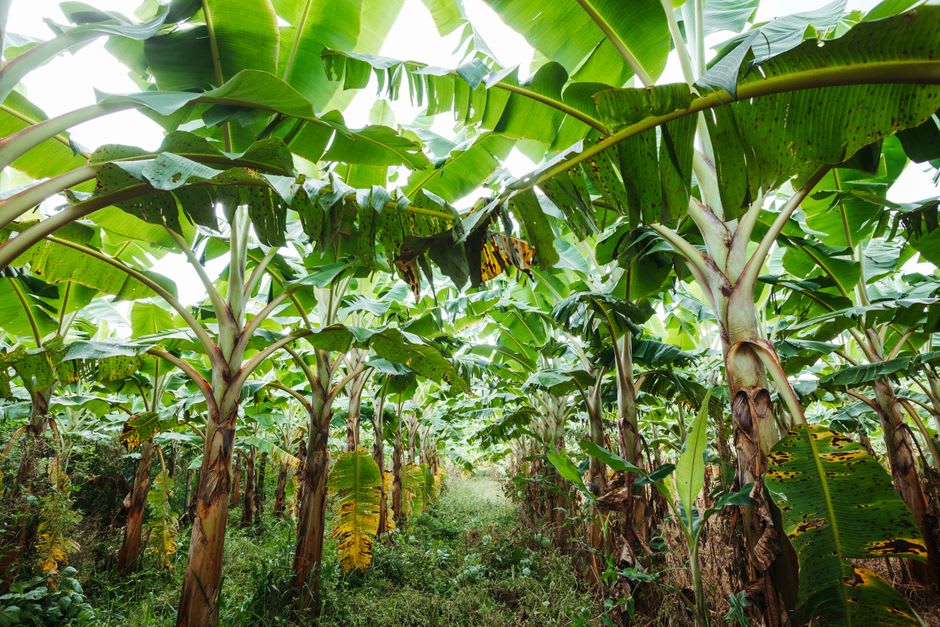
From Antiguo Morelos, the road into the Sierra Madre climbs through a landscape that changes almost too quickly to track. The lowland heat gives way within thirty minutes of driving, and the banana plantations thin into pine-oak forest before you reach the buffer zone of El Cielo — one of the few biosphere reserves in Mexico where four distinct vegetation types stack on top of each other in a single afternoon’s drive. The southern flank, accessed from here rather than from Gómez Farías to the north, stays quieter through most of the year.
I went up in the early morning, when mist was still sitting on the ridgeline, and came back down before the midday heat reasserted itself. There are no grand visitor centers, no laminated maps at the trailhead. What you get instead is a guide from the village of San José who knows the birding spots by the sound of water rather than GPS coordinate. El Cielo earned its UNESCO biosphere status for good reason. Seeing it from the southern approach feels like arriving before the rest of the signage has caught up.
What the Sunday Market Actually Sells
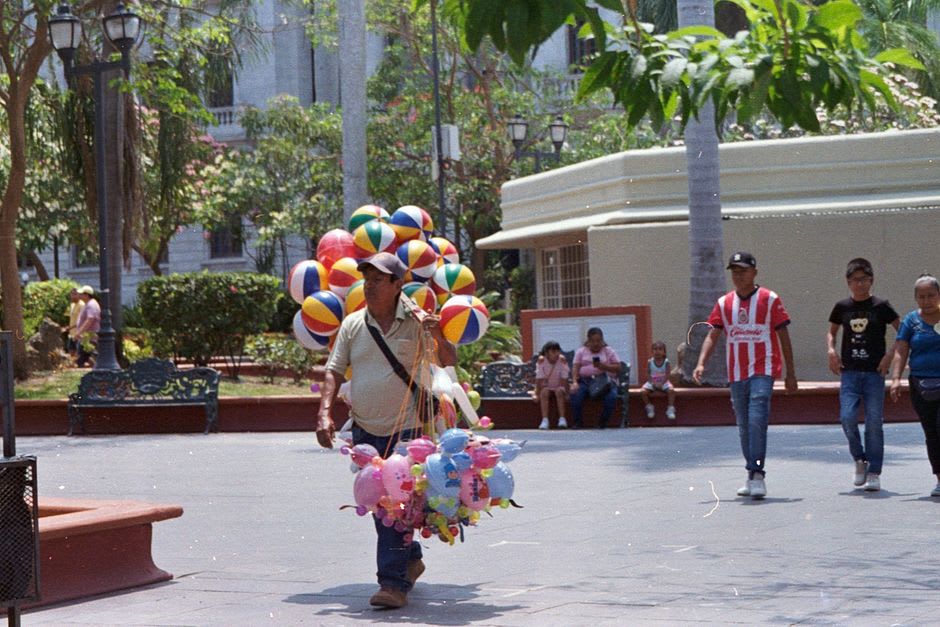
If you time it right, the Sunday market in Antiguo Morelos runs along the streets behind the parish church from around seven in the morning until things sell out — which, for the better vendors, is closer to nine. It is organized around what people in the surrounding ranchos have grown or made, not around what a visitor might want to photograph.
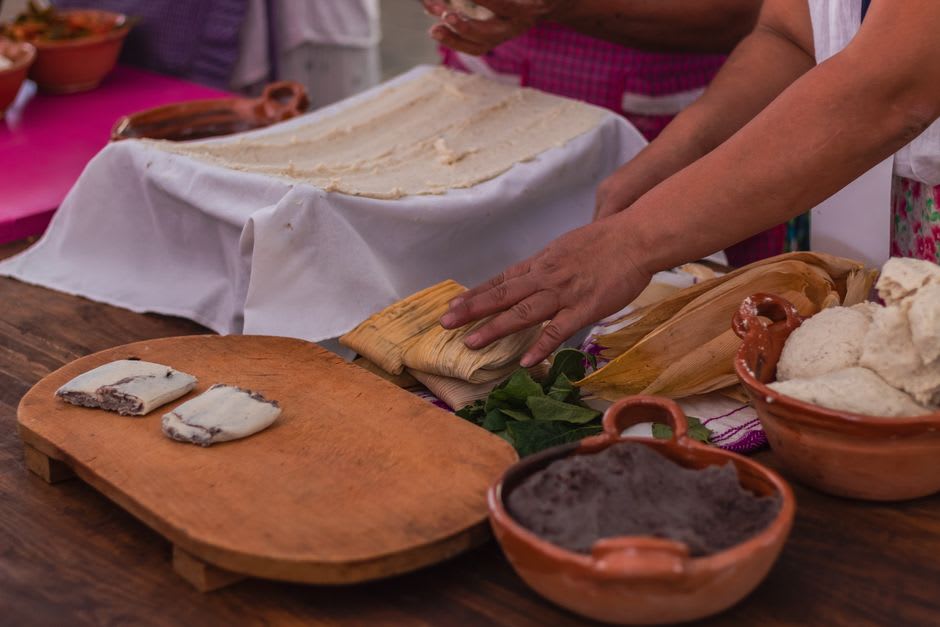
The tamales are a Huasteca-inflected version: masa slightly coarser than what you find further south, wrapped in banana leaf rather than corn husk, filled with a dark recado of chile ancho and achiote with chicken. They arrive still steaming, sold by a woman whose family has occupied the same spot on Calle Hidalgo for longer than anyone at the market can precisely remember. I ate two and bought two more for the road without much deliberation. There is also a good atole de guayaba if you arrive early enough to catch it.
An Afternoon in the Plaza
The Parroquia de San Francisco de Asís dates from the mid-18th century and is the architectural anchor of the town — not spectacular by the standards of Querétaro, but honest in the way colonial churches in agricultural towns tend to be. The interior stays cool even in July, the retablo is painted in the faded burnt ochre that this region favors, and the plaza has a pair of laurel trees old enough to create real shade by midday.
Arrive Saturday evening, walk the plaza after dark when the horchata and grilled corn carts appear, sleep somewhere local, and be at the market by seven-thirty Sunday. Drive up toward El Cielo before ten. That is a complete visit. Anything longer requires either a real affection for this particular kind of quiet, or a reason to return — which I think amounts to the same thing.
Getting There
Antiguo Morelos sits on Federal Highway 85, roughly two hours south of Ciudad Victoria and ninety minutes north of Ciudad Valles in San Luis Potosí. There is no bus terminal — second-class buses between those two cities pass through town on the highway and you flag them from the roadside. From Tampico, allow three hours by car. Basic accommodation exists in town; most travelers stay one night and use Antiguo Morelos as a base rather than a destination in itself.