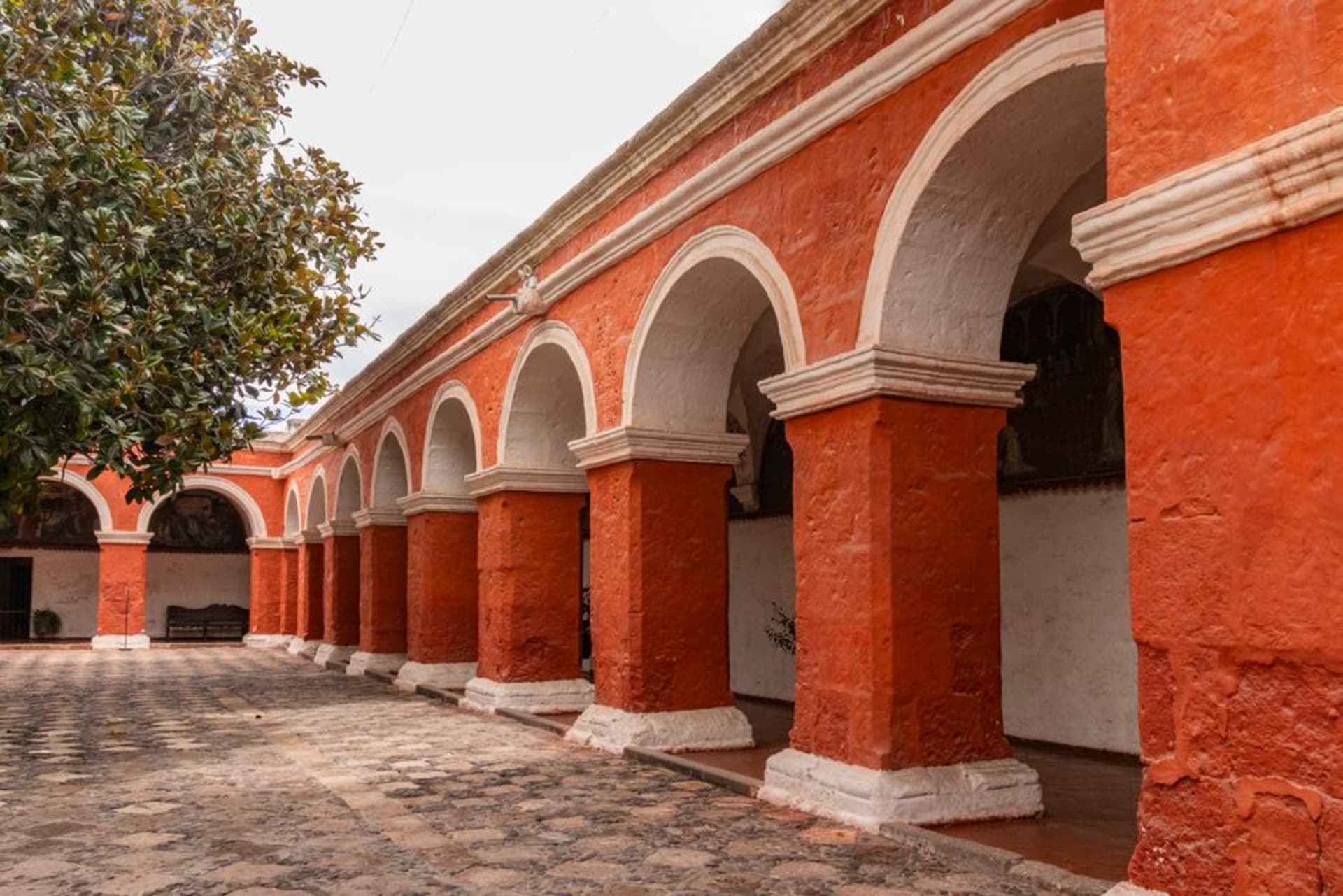
Yecapixtla
"The monastery at Yecapixtla was built to last forever and so far so good — the cecina being smoked outside it is, honestly, a world-class argument for Sunday travel."
I drove up from Cuernavaca on a Sunday morning mostly on a hunch — Yecapixtla was one of those names that kept appearing in the margins of other itineraries, never quite the destination, always the detour. The approach through the Valle de Morelos does little to prepare you: fields, a roadside tienda, a tope that nearly ended my front axle. Then the monastery appears above the town, massive and pale and entirely indifferent to the century, and everything recalibrates. By the time I found parking and registered what was being smoked in the streets around the market, I had already decided to cancel my afternoon.
A Fortress Built for the Long Game
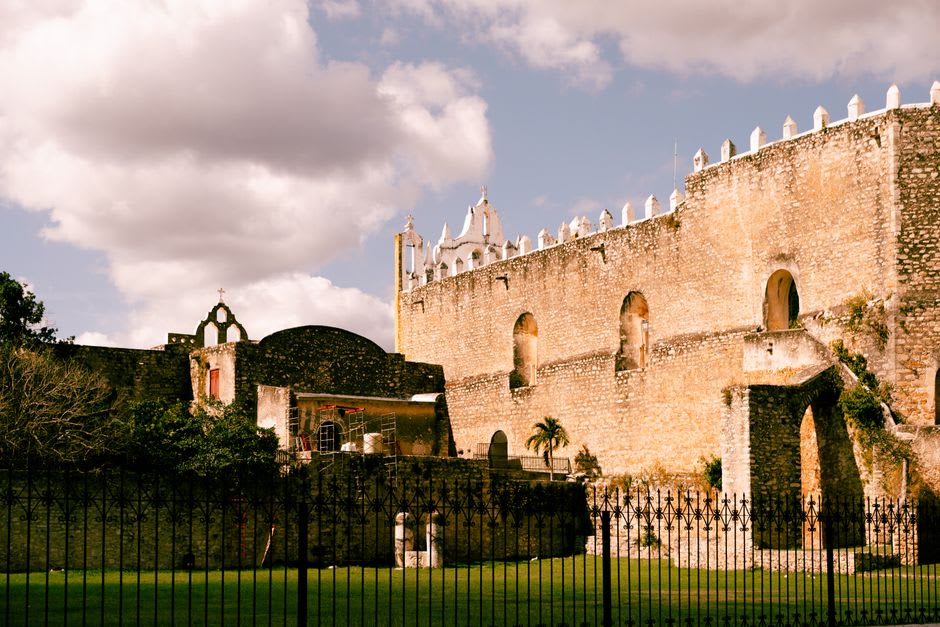
The Ex-Convento de San Juan Bautista was started in the 1530s by Augustinian friars who apparently expected some form of resistance — from weather, from time, or from something else entirely. The walls are thick enough to suggest military planning. The open chapel at the edge of the atrium was built for outdoor Mass when the newly converted population couldn’t fit inside, which tells you something about the speed and scale of the colonial enterprise. Yecapixtla’s monastery is one of sixteen Augustinian and Franciscan convents UNESCO grouped together as a single site — all of them built on the volcanic slopes of Popocatépetl, all of them sharing this quality of serene impregnability, architecture that knows it will outlast whoever is currently looking at it.
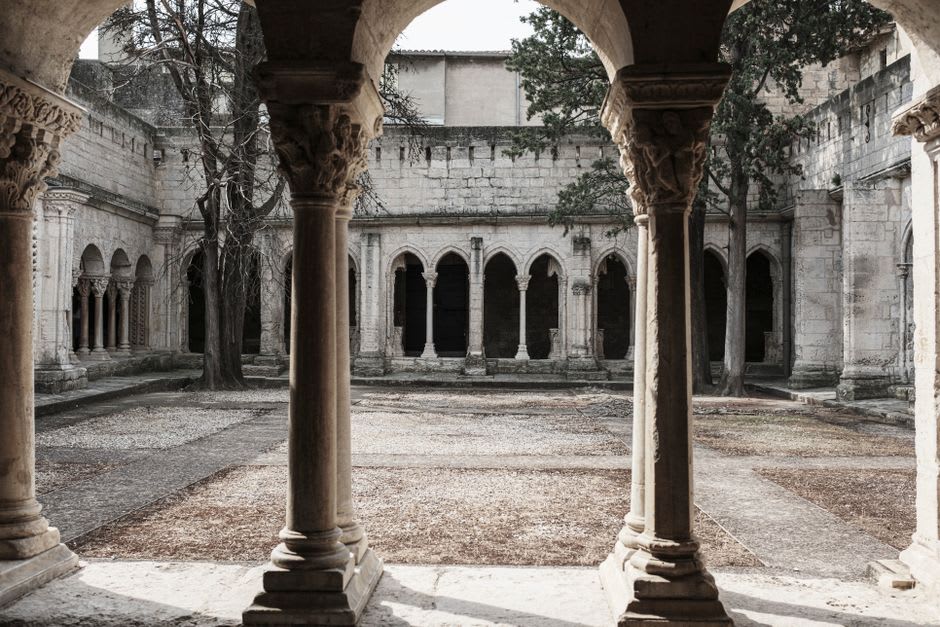
What strikes me standing in the atrium is the silence. Not a performed silence, but the kind that accumulates over centuries and becomes structural. The stone is volcanic, dark in places, orange-brown in others, rough where restoration was left to its good judgment. The crenellations along the roofline look genuinely defensive. The frescoes inside the cloister are still legible if you give your eyes a minute to adjust to the dim — geometric borders, devotional figures, the faded geometry of a place that expected to be inhabited for a very long time.
The Smoke Coming Off the Market
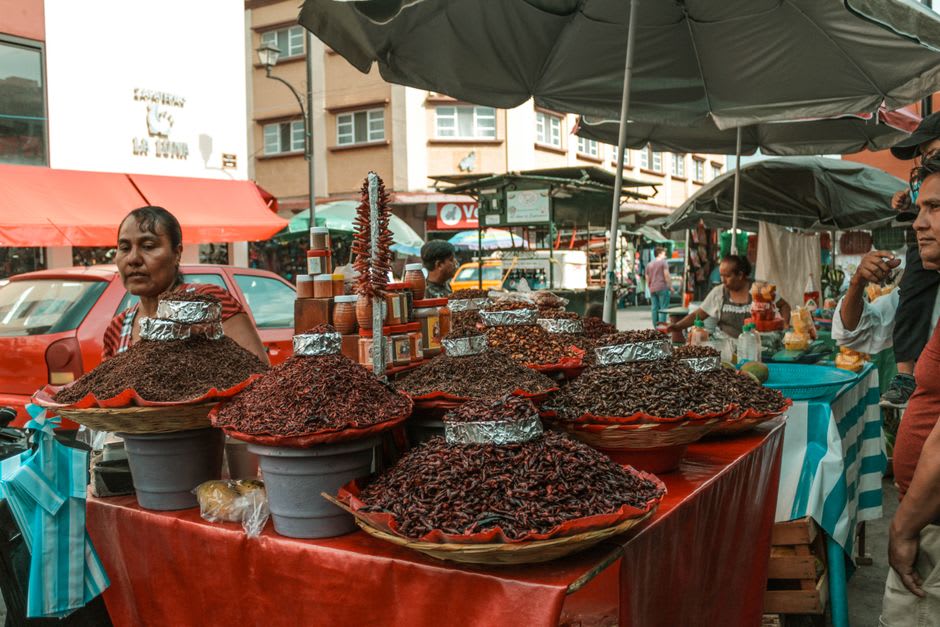
Yecapixtla’s cecina is not a local secret so much as a regional obsession. Morelos takes cured pork seriously across the board, but Yecapixtla is where that seriousness reaches its sharpest expression. On Sundays, stalls line every street approaching the monastery — which produces an unusual juxtaposition I find entirely appropriate: a UNESCO World Heritage site ringed with charcoal smoke, pork fat, and the sound of tortillas hitting a comal.
The cecina here comes in two forms. The plain version is thin-sliced, salt-cured beef or pork, grilled until the edges char. What makes Yecapixtla’s version worth driving for is the cecina enchilada — pork rubbed with chile and dried before grilling, which adds heat and something darker underneath. I ate mine in a taco from a woman whose stall was positioned directly in the shadow of the monastery’s west wall, with a salsa verde sharp enough with tomatillo to cut through the fat. Quesillo was melting over all of it, because restraint has its limits and mine had already been exceeded by the smell from the street.
What a Sunday Here Actually Looks Like
Arrive before ten. The market assembles from around eight, but by noon the best cecina stalls are running low and the atrium has lost the quality of quiet I mentioned. Spend a slow hour inside the monastery compound — the open chapel, the cloister corridor, the frescoes. Then eat. Then walk the streets behind the market where Yecapixtla is simply a town going about its Sunday: hardware stores, a woman selling elotes from a cart, a pharmacy with its shutters half-open. The town does not perform for visitors in the way that more heavily trafficked Pueblos Mágicos have learned to do. It is conducting its weekly business and you are welcome to wander through it.
Getting There
From Cuernavaca, Yecapixtla is around 45 minutes east — take the road toward Cuautla libre, pass through Tlaltizapán, and follow signs toward Atlatlahucan, then Yecapixtla. From Mexico City, allow roughly two hours via the autopista to Cuautla. No reliable direct bus runs from Cuernavaca; combis from Cuautla’s central bus station cover the last stretch. Sunday is the only day the market operates at full scale — on other days, the monastery is worth the trip on its own terms, but barely half the reason to come.