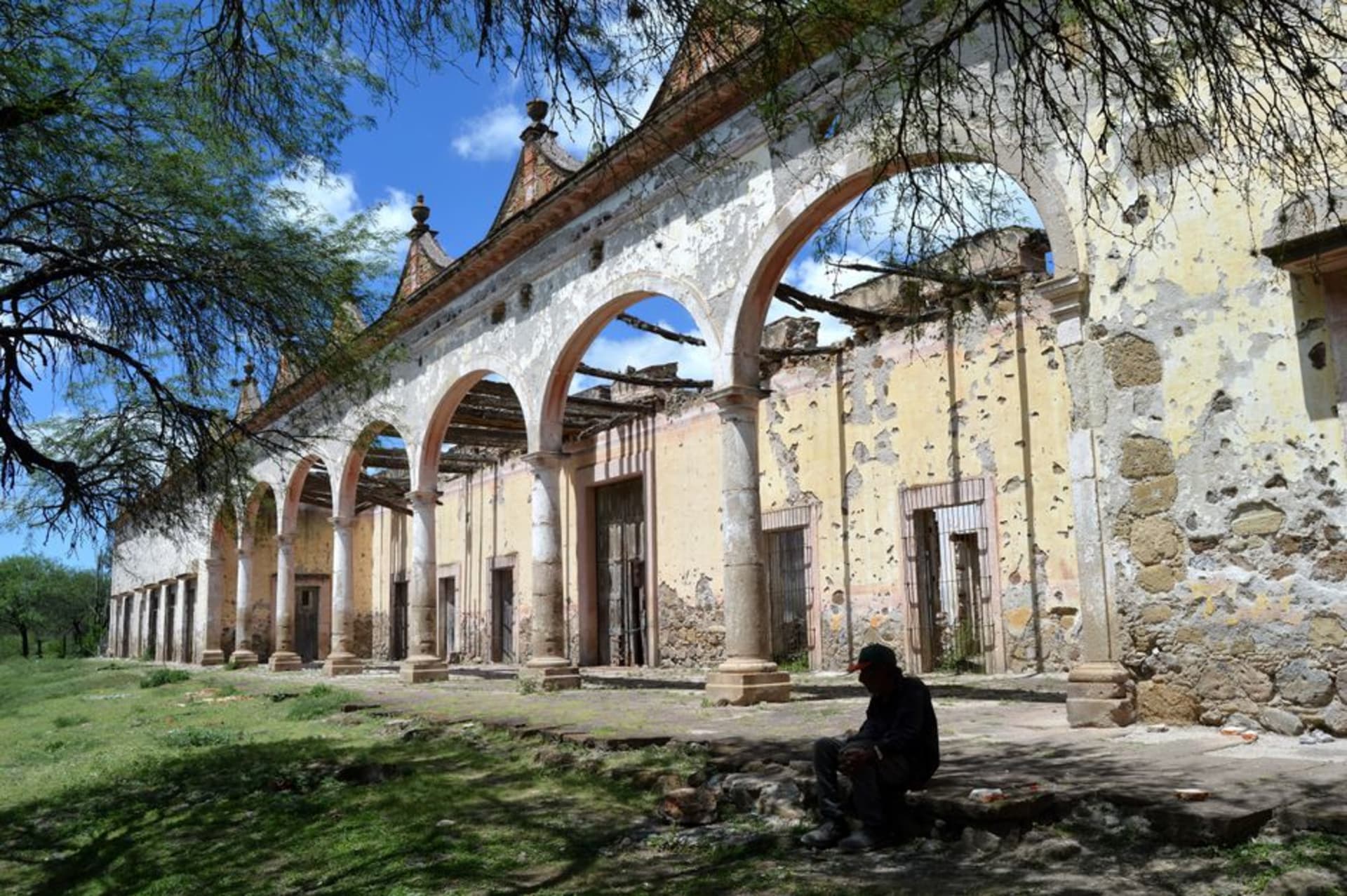
Tlaltizapán
"Zapata slept here. The hacienda walls are still standing. History has not moved on."
The bus from Cuernavaca drops you at the edge of the market, and the heat arrives before the dust does. Tlaltizapán does not perform for visitors — there are no souvenir stands near the hacienda, no audio guides, and the man at the museum entrance seemed mildly surprised to see me. It was eleven in the morning and already the kind of warm that slows thought. I had come because of Zapata, but I stayed because the town had a quality I find hard to name: the weight of something genuinely significant, worn smooth by decades of ordinary life continuing around it.
The Cuartel General
Between 1914 and 1918, Emiliano Zapata made the old sugar hacienda at the center of Tlaltizapán his cuartel general — his general headquarters. The Museo Regional de la Lucha Zapatista occupies those same rooms now, and the transition from colonial sugar mill to revolutionary command center to public museum has been handled with very little fanfare, which suits the place. You walk through corridors where Zapata met with agrarian delegates and military commanders, past the small room where he slept, past display cases holding handwritten correspondence and photographs from the years when zapatista land reform was being implemented — not just promised — across Morelos. The architecture is hacienda: thick walls, a central courtyard, stone arches that hold the heat. The walls are still standing, as the quote goes, and they feel proportional to what happened inside them. Give it two hours at minimum. There are details here — about how zapatista territory functioned, how land was actually redistributed — that most accounts of the Revolution quietly compress.
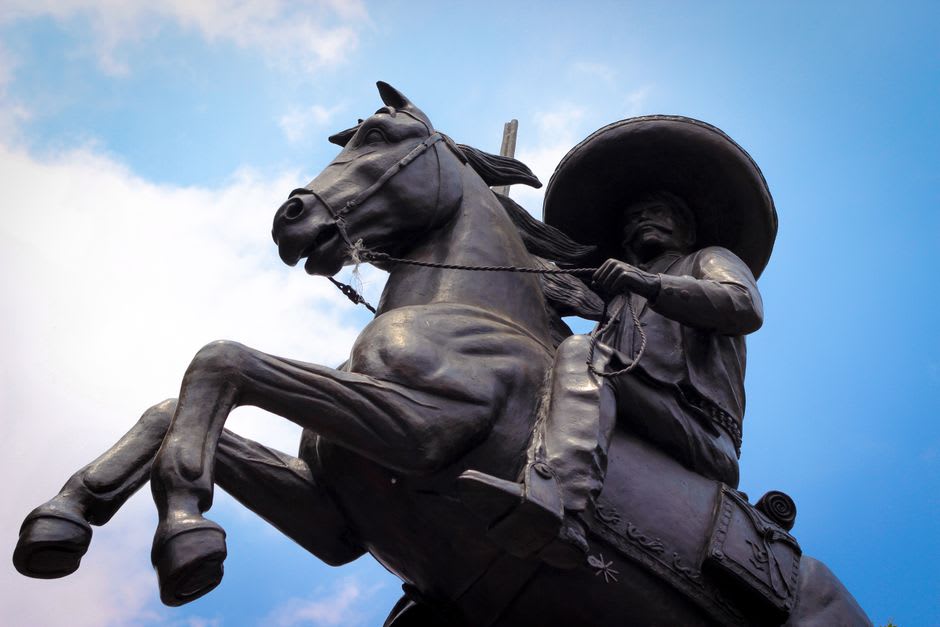
Tierra Caliente Hours
The name earns itself by noon. By early afternoon in Tlaltizapán, the street dogs have found every patch of shade and the market vendors are working at a deliberate, heat-adjusted pace. I ate at one of the comedores just off the main plaza — no printed menu, just a woman telling me what she had: arroz rojo, frijoles negros, cecina from somewhere nearby in Morelos, and tortillas made to order. The cecina here is drier and saltier than what I was used to in Oaxaca, almost jerky-like, and it worked well against the beans. The market itself is small — produce, cleaning supplies, a few clothing stalls — but the side streets off the plaza have the easy rhythm that only exists in towns where tourism has not arrived as an organizing principle. The church on the main square is modest and well-maintained. The square itself fills briefly around seven in the evening when the heat finally backs off.
What the Day Asks of You
I would not try to do Tlaltizapán as a quick stop between other things. The museum deserves proper attention, and the town deserves at least one meal and a slow walk. If you are coming from Cuernavaca, arrive before noon — the museum gets airless as the day progresses — spend two hours in the hacienda, eat at the market, and find somewhere to sit in the shade until the afternoon softens. There is no rush in this town. That quality, which can feel like inconvenience in other contexts, is exactly right for a place where the defining events happened more than a century ago and have not been tidied into something photogenic.
Getting There
From Cuernavaca’s bus terminal, colectivos and second-class buses run to Tlaltizapán — roughly 45 minutes to an hour depending on stops, a few pesos. There is no direct service from Mexico City; Cuernavaca is the natural staging point. The town has no accommodation worth mentioning, which makes this a day trip and nothing more complicated than that.