Tetecala
"I found the river by following the sound. I found the mangoes by following my nose."
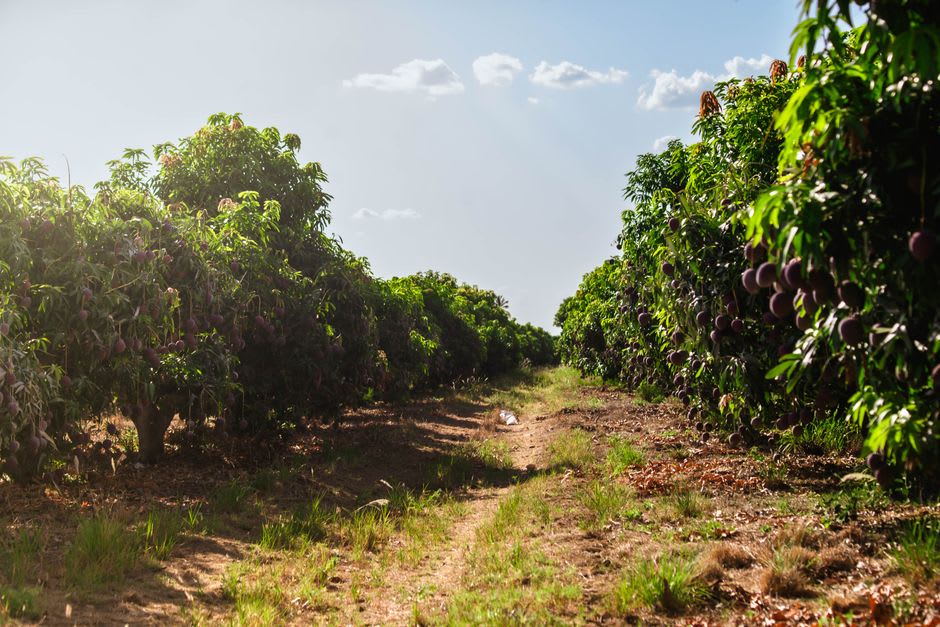
I came to Tetecala on a Sunday in May, the precise week the mangoes were peaking. The combi from Cuernavaca took forty minutes along a road that descended steadily from pine-cooled highlands into something altogether warmer — the air thickening by degrees, roadside trees switching from fir to flamboyán to mango, the light going more golden and horizontal. The driver let me off at the plaza and that was it: the smell hit first, sweet and faintly fermented, drifting from orchards that begin where the last painted wall ends. I had planned to stay two nights. I stayed four.
The River Below Town
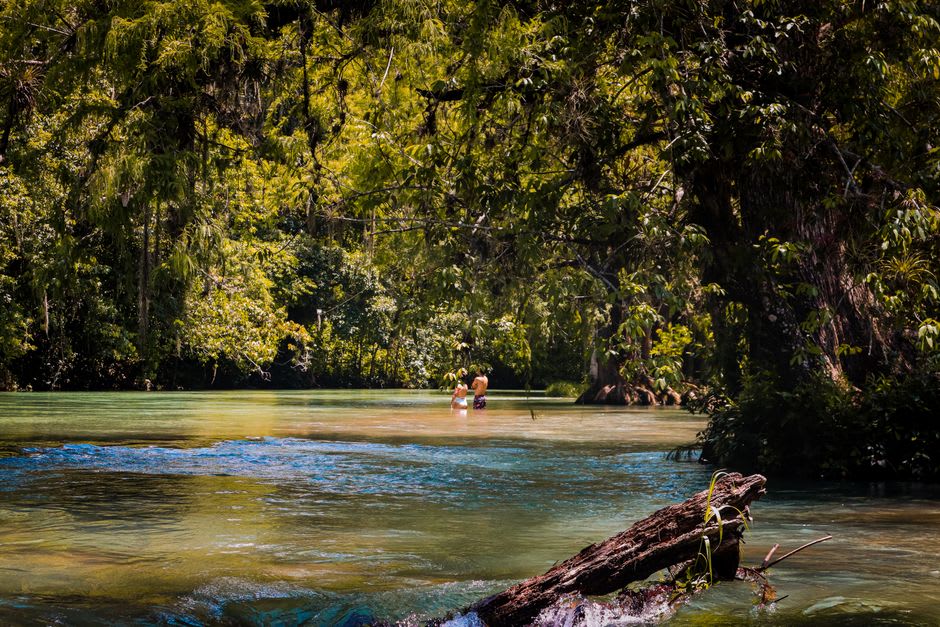
I found it by following the sound — water over rock, audible from the edge of town if you walk south past the cemetery and down a dirt path that descends through mango trees. Locals call it a balneario, though that word oversells the infrastructure: no ticket booth, no chlorine, no concrete. Just the river bending around a wide flat rock, clear enough to see the bottom, cold enough that the first step makes you inhale sharply. On weekdays I had it nearly to myself — a couple of kids, a woman washing clothes upstream, a dog belonging to nobody in particular. On Sunday it filled with families from the municipio: grandmothers setting up folding chairs in the shallows, teenagers doing handstands off the biggest rock, someone’s uncle grilling ears of corn under the trees. I went back twice. The second time I brought a manila mango from the market and ate it in the water, cutting it with a pocket knife, watching the pit drift downstream. I’ve paid more for worse afternoons.
Mango Season
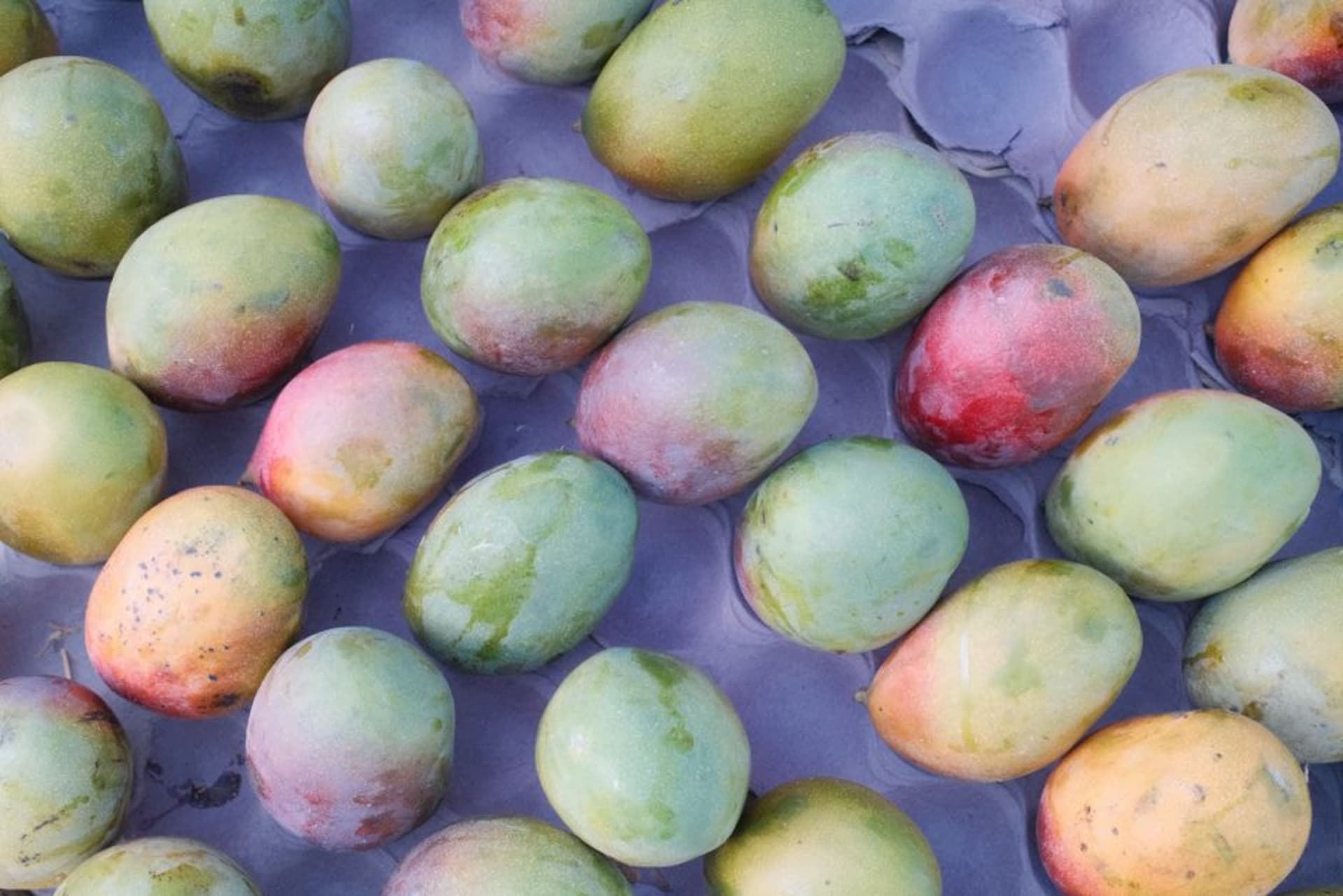
Tetecala produces mangoes the way some towns produce anxiety — abundantly, inevitably, and with a sense that everyone around you made peace with it long ago. The main varieties here are manila and petacón: the manila sweet and fiberless, the petacón larger and more assertive, both peaking somewhere between late April and June depending on the year. The Sunday tianguis sets up along the main street off the plaza, and you can buy a kilo of manila for about twenty pesos from a woman who will also hand you a bag of tajín and a lime wedge without being asked. I ate mango in every available form: fresh off the seed, dried, in agua fresca at the comedor three doors from the church, and once — memorably — folded into a quesadilla with Oaxacan cheese by a vendor who clearly understood something I didn’t. She was right.
The Plaza at Six O’Clock
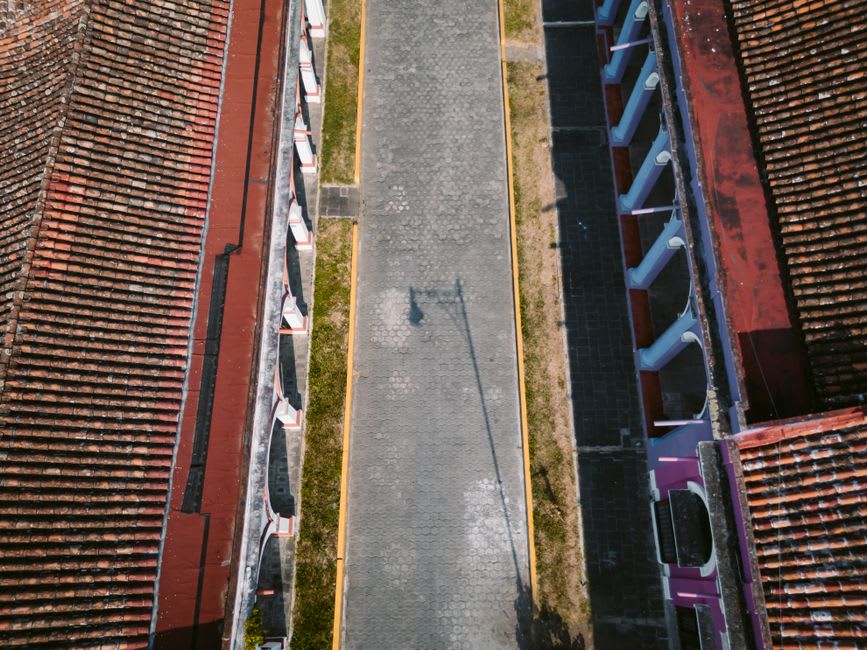
The church of the Asunción faces the plaza the way colonial churches always do — with absolute confidence that it was built in the right place. At dusk the swallows appear, hundreds of them wheeling around the bell tower while the square below fills at its own pace: kids on scooters, two abuelos on the same bench every evening, a food cart selling elotes and esquites that opens at six and runs out of corn around eight. Nobody is performing leisure here. There are no artisanal mezcal bars, no hostels with rooftop terraces. There is a cantina with wooden chairs that faces the street and appears to have changed nothing since 1987, including the price of the beer. I sat there both evenings and watched the plaza empty slowly, without drama, the way small Mexican towns have been ending their days for a very long time.
Getting There
From Cuernavaca, take a combi or colectivo toward Miacatlán — they run regularly from the area near the Central de Autobuses and Tetecala is a stop along the route, roughly forty to fifty minutes out. From Mexico City, take a first-class bus to Cuernavaca and connect there. Tetecala has no real tourist accommodation; ask around the plaza about casas de huéspedes, or come as a day trip from Cuernavaca.