Oaxtepec
"The resort buses obscure what Oaxtepec actually is: the oldest botanical garden in the Americas, still producing heat, still growing things."
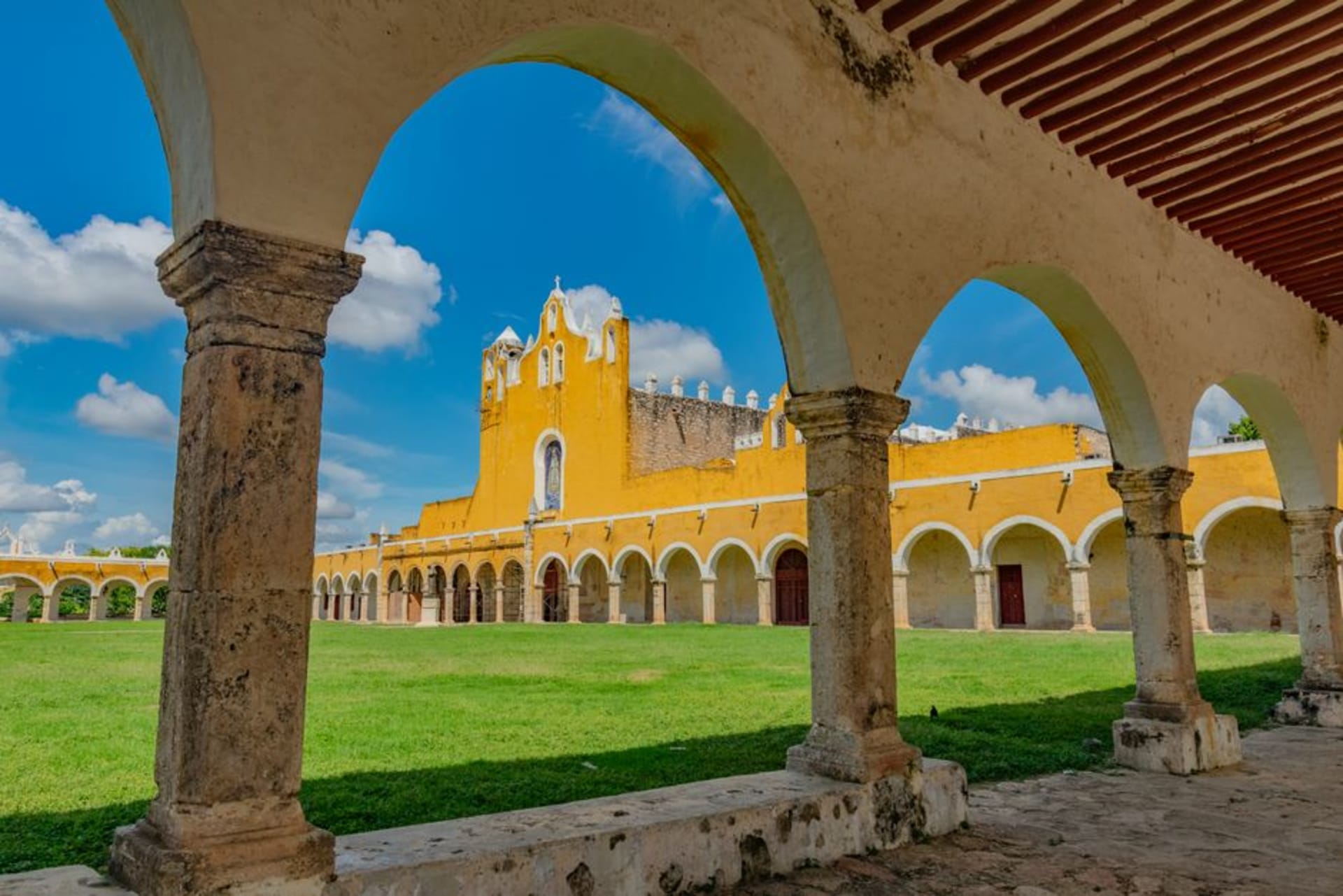
The bus from Cuautla sets you down at a roundabout where the first visible thing is a sign for the IMSS Centro Vacacional. The complex is enormous — federal, utilitarian, calibrated for families from the capital who want pools and shade in a hot valley. For about ninety seconds you wonder if you’ve wasted the morning. Then you walk the perimeter, follow the old stone wall past the parking lot, and find the sixteenth-century Dominican convent standing in the heat exactly where it has always been. A woman has spread a cloth on the grass and is eating something from a container. A pigeon is doing what pigeons do in bell towers. The scale of the place shifts completely.
The Oldest Botanical Garden in the Americas
This is the thing the resort obscures: Oaxtepec was a garden before it was anything else. In the 1440s, Motecuhzoma I ordered the construction of a royal botanical garden here — not a decorative one, but a scientific and ceremonial collection, fed by the thermal springs and stocked with plants imported from across the empire. Vanilla from Veracruz. Cacao from the Gulf. Medicinal plants from as far south as Guatemala. It was, by any reasonable measure, the oldest botanical garden in the Americas, predating the great European collections by a century.
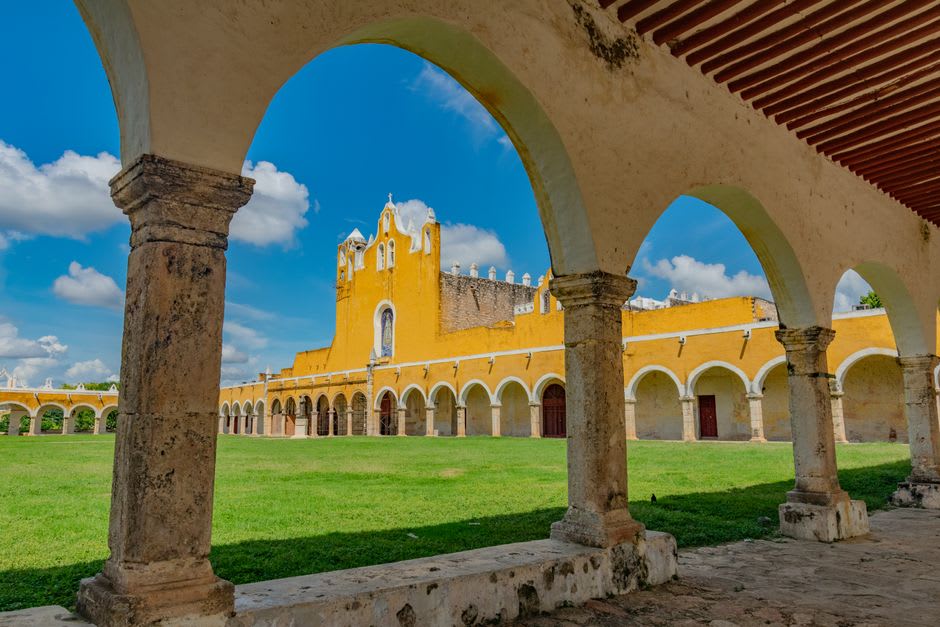
The Dominicans arrived in the 1550s and built their convent directly over the Aztec garden. Whether this was deliberate erasure or pragmatic reuse of good agricultural land depends on who you ask. What remains is the convent’s cloister — open to visitors, mostly empty in the late morning — with its thick walls and interior courtyard where something is always growing in the heat. The continuity is strange and worth sitting with. You can stand in an archway and look at the courtyard and understand, more than abstractly, what five hundred years of layered intention looks like in a single place.
The Springs Are Still Running
The thermal springs that made this valley worth a royal garden are still active, channeled now into the pools of the IMSS resort. Non-IMSS members can buy day passes at the entrance — the fee is modest, the water genuinely warm, and the crowds depend entirely on whether it’s a holiday weekend. On a Tuesday in January I had a section of the thermal pool almost to myself, which felt like an unlikely windfall given that the whole complex is built to accommodate several thousand people at once.
The architecture of the resort is not the point. The point is that the water is the same water, rising from the same source, that Motecuhzoma’s gardeners used to irrigate vanilla and cacao five centuries ago. That continuity is easier to feel standing waist-deep in a warm pool than reading about it on a placard — which is, I think, an argument for actually getting in.
Before You Leave
Yecapixtla is twenty minutes east by combi, and the Sunday market there is worth the trip alone. The town is famous across Morelos for its cecina — thin sheets of dried and smoked beef, sold by the kilo from wooden tables. Tacos are assembled on the spot with salsa verde and raw white onion. Aguas de Jamaica come in foam cups larger than seems reasonable. If you arrive on a weekday, the vendors outside the resort entrance sell gorditas and atole in the early morning. Eat before you walk the convent; the heat in the valley climbs fast after ten o’clock.
Getting There
Cuautla is the nearest hub, twenty minutes by combi from the market area on Calle Guerrero. From Cuernavaca, count on forty-five minutes; from Mexico City, roughly two hours on the autopista south. The dry months — November through April — are the right time to come. The valley is warm without the summer humidity, and the resort crowds thin considerably outside holiday weekends.