Mazatepec
"The thermal pool at the ex-hacienda was the temperature of a very confident bath, the mangoes on the trees next to it were ready to fall, and I had nowhere to be until the following week — Mazatepec rewarded this condition generously."
I came to Mazatepec on a Wednesday in April because I had run out of reasons to stay in Cuernavaca and a taxi driver had mentioned, somewhat offhandedly, that there was a hacienda with hot springs twenty minutes west. That was sufficient. The town proper is small enough that I walked its main street in under ten minutes, past a church the color of burnt clay, a tianguis selling mangoes by the kilo, and a woman frying quesotes on a comal outside her house. By noon I had not yet made any decisions, which turned out to be exactly the right approach.
The Ex-Hacienda and Its Thermal Pools
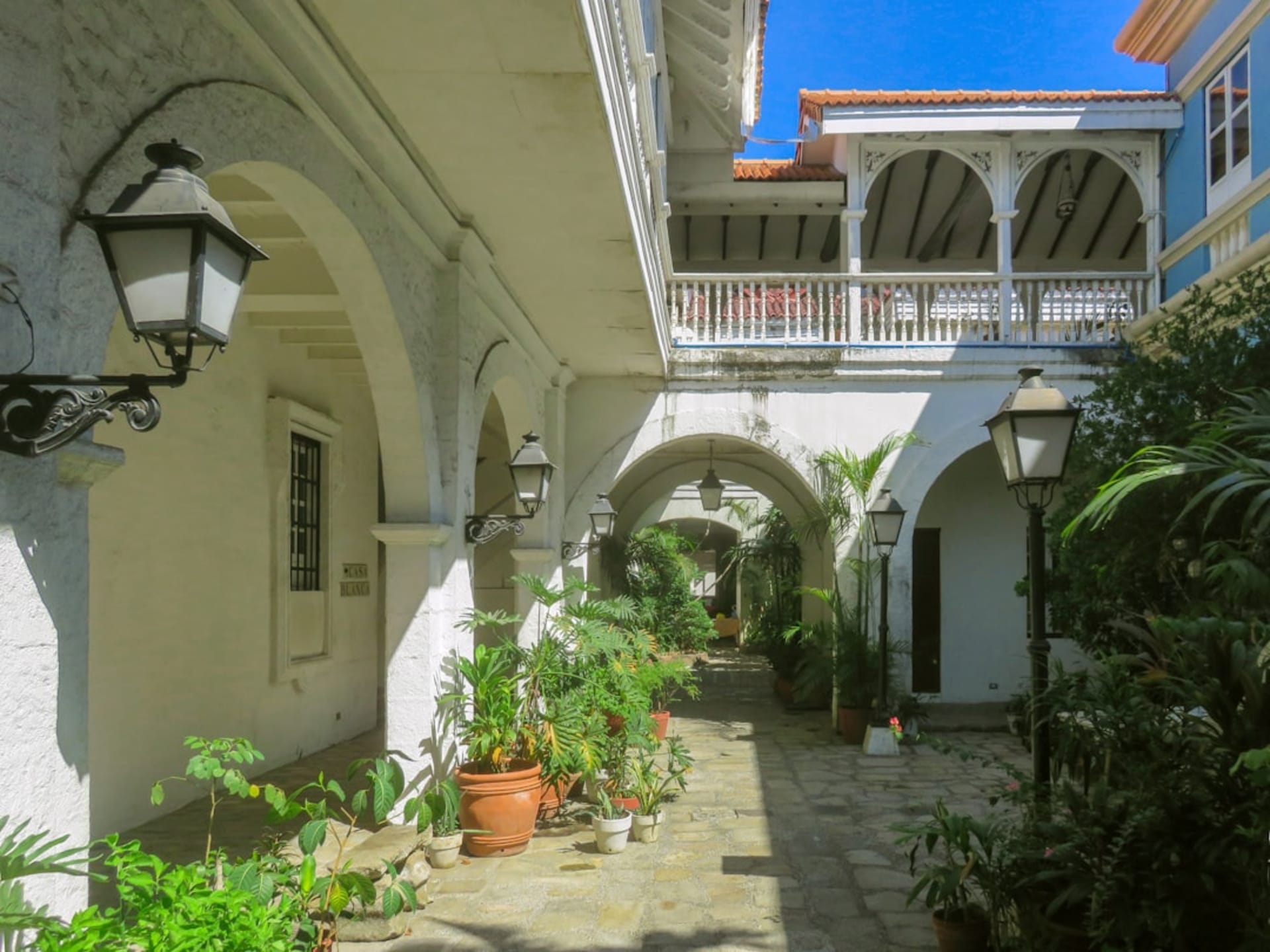
What makes Mazatepec worth the detour is the Hacienda de Temixco — or more precisely, its successor property in the area, one of several former sugar estates in western Morelos that converted to tourism when cane stopped paying. The one I ended up at had kept its colonial bones intact: wide stone corridors, clay-tile floors, a central courtyard where bougainvillea had been allowed to do as it pleased for what looked like several decades. The thermal pools were fed from a spring on the property, and the water held at a temperature warm enough to make your muscles forget they had opinions. I spent most of Thursday afternoon in one of them, watching a pair of grackles argue over a mango pit. Lunch at the hacienda comedor was straightforward — arroz rojo, frijoles de olla, pollo en adobo — and better for being uncomplicated.
Orchards and the Village Rhythm
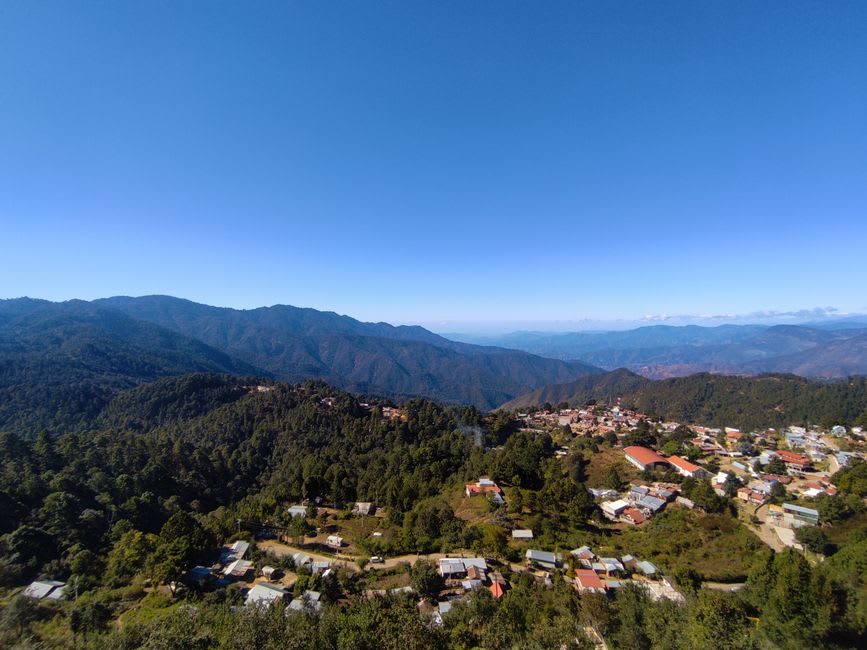
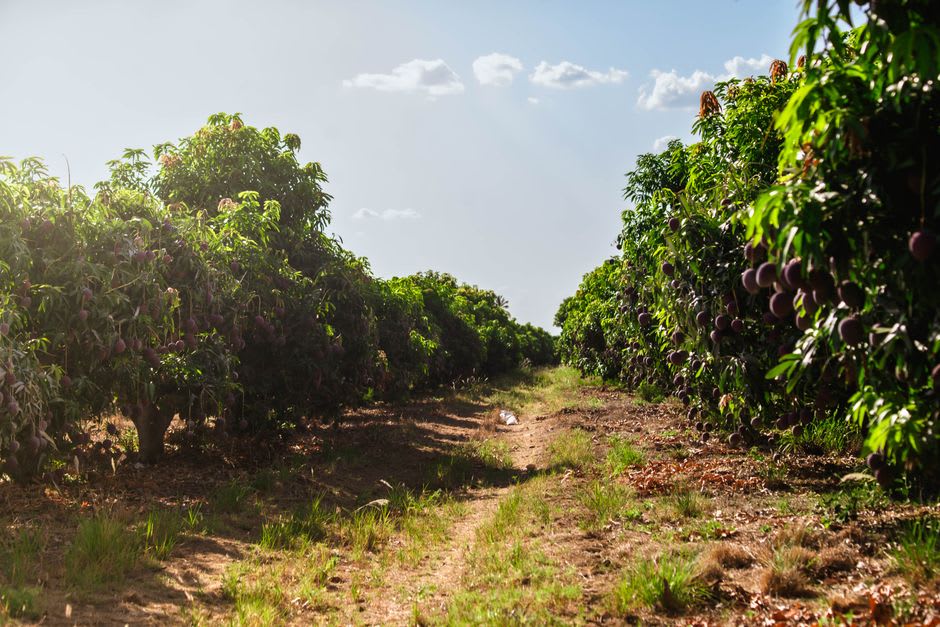
Outside the hacienda walls, Mazatepec is farming country. The lowland climate — warmer and more humid than the altiplano an hour north — suits mango, guava, and tamarind, and in April the orchards along the road toward Miacatlán were heavy with fruit. A family outside the village sold bags of manila mangoes from a roadside table; I bought more than I could reasonably eat and ate most of them anyway, standing in the shade. The village market on Saturday mornings is where the practical business happens: bundles of epazote, dried chiles from Guerrero, blocks of panela the color of caramel. Nobody is selling artisanal anything. The thing nobody tells you about these lowland Morelos towns is how genuinely unhurried they are — not performatively slow the way some colonial towns have learned to seem, but actually indifferent to urgency.
Colonial Sugar Country
The hacienda landscape of western Morelos is the region’s other story. Mazatepec sits in a corridor of former sugar estates — Miacatlán, Temixco, Coahuixtla — most of them built between the seventeenth and nineteenth centuries on the labor of enslaved and indentured workers. The architecture that remains is beautiful and historically loaded, and it is worth understanding both things at once. A short drive or long walk brings you to ruins that no tourism infrastructure has touched, which is either a gift or a problem depending on your disposition. I found it clarifying.
Getting There
From Cuernavaca, take a combi from the Central de Autobuses toward Miacatlán — they run frequently and drop you in Mazatepec in roughly thirty minutes. From Mexico City, buses to Cuernavaca leave from Taxqueña terminal; from there, transfer to the Miacatlán combi. Having your own car makes the hacienda circuit considerably easier.