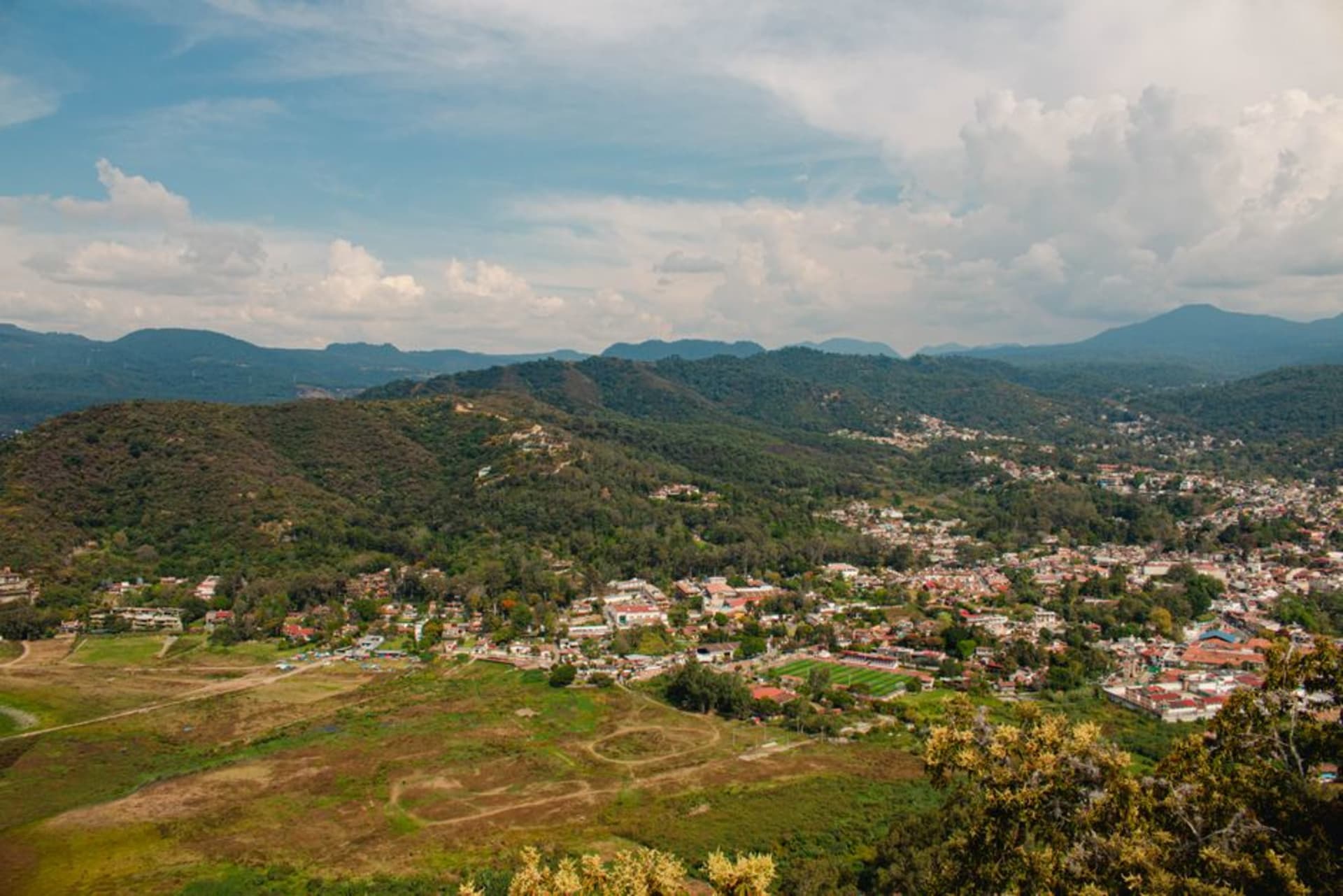
Jojutla
"Hot, loud, and completely uninterested in tourism. That is exactly why I liked it."
I arrived in Jojutla at eleven in the morning and the heat was already doing something aggressive. The bus from Cuernavaca drops you near the central plaza, and within thirty seconds of stepping off I understood why the locals move the way they do — unhurried, deliberate, conserving something. A man was selling aguas frescas from a cooler on the corner of Calle Morelos. I bought a tamarindo, found a patch of shade near the kiosk, and decided to stay longer than I had planned. This happens to me more often than it should.
The Market That Feeds the Lowlands
The Mercado Municipal de Jojutla is not beautiful in any obvious way. It is dense and loud and hot and smells of raw meat, cilantro, and overripe mango in a ratio that shifts every ten steps. What it is, is serious. This market serves the whole lowland basin of southern Morelos — Tlaquiltenango, Tlaltizapán, Puente de Ixtla — and the vendors know their clientele. I watched a woman in her sixties negotiate the price of a kilogram of chiles poblanos with the calm authority of someone who has been doing exactly this for forty years. She probably has.
The food stalls toward the back are where I spent most of my time. A woman named Doña Lupita — at least three people called her that — runs a cazuela operation near the east entrance: arroz rojo, frijoles de olla, mole verde over chicken, and a stack of tortillas wrapped in cloth that she replenished twice while I watched. I ate there twice.
The Rice Everyone in Morelos Knows About
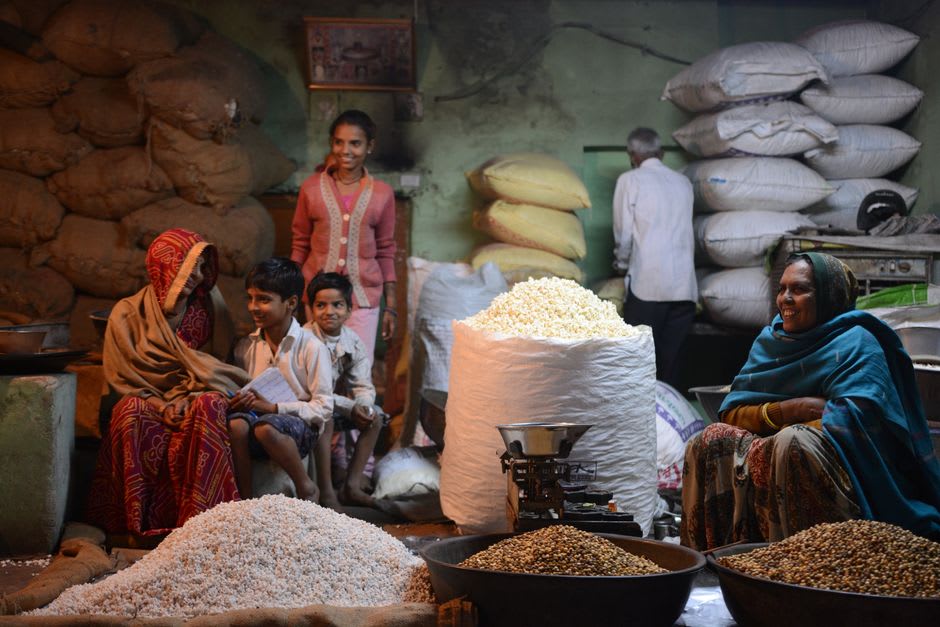
The thing nobody tells you — unless you ask, specifically, someone who has spent real time in Morelos — is that the rice from this corner of the state is different. Arroz de Jojutla has been grown in the irrigated lowlands here for generations, and what comes out of those fields is shorter, starchier, and more intensely flavored than the long-grain rice that turns up everywhere else in Mexico. Cooked properly, it absorbs the tomato and garlic base into something almost creamy. Restaurants in Cuernavaca specify it on their menus as a selling point. In Jojutla itself it just appears on the plate without ceremony, the way good things tend to when they are simply part of daily life and nobody has thought to brand them yet. I bought a bag at the market, wrapped in a brown paper twist, and it made it back to Puerto Escondido more or less intact.
Palm Weavers Who Are Not Selling to You
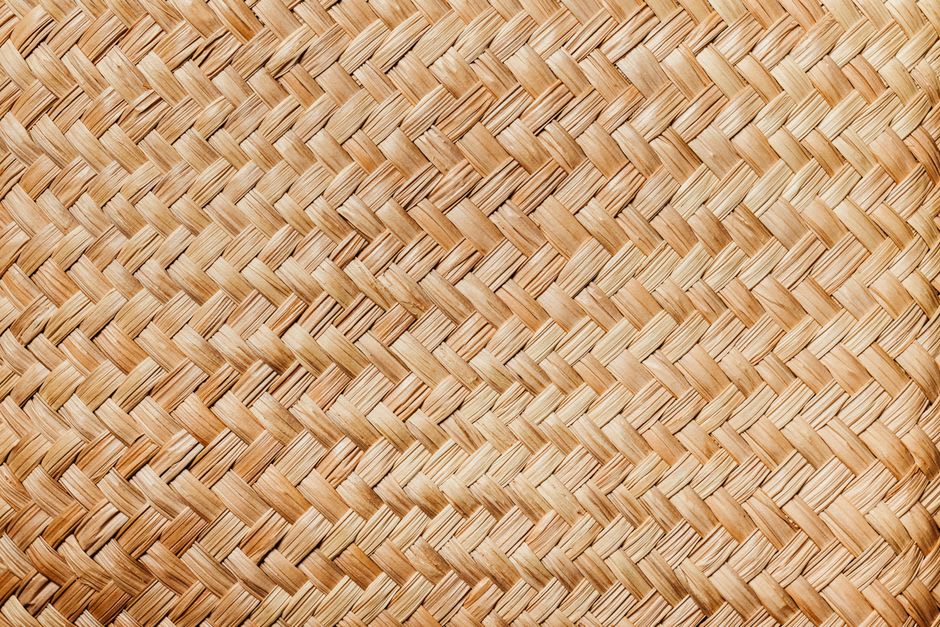
In the covered section near the market’s western edge, a handful of vendors sell hand-woven palm goods: petate sleeping mats, shallow baskets, small round trays used for drying chiles. The craftsmanship here is not decorative — these are functional objects made by people who still use them daily, and the prices reflect that. The palm leaves come from the surrounding lowland vegetation, dried and split and woven tight enough that the finished mat has a slight give but holds its structure for years. Jojutla’s palm weavers are not selling to tourists. They are selling to households, and the distinction shows. I bought a small basket for a hundred and twenty pesos. The vendor looked faintly surprised I had noticed what she was selling at all. It now holds onions in my kitchen in Puerto Escondido. That feels correct.
Getting There
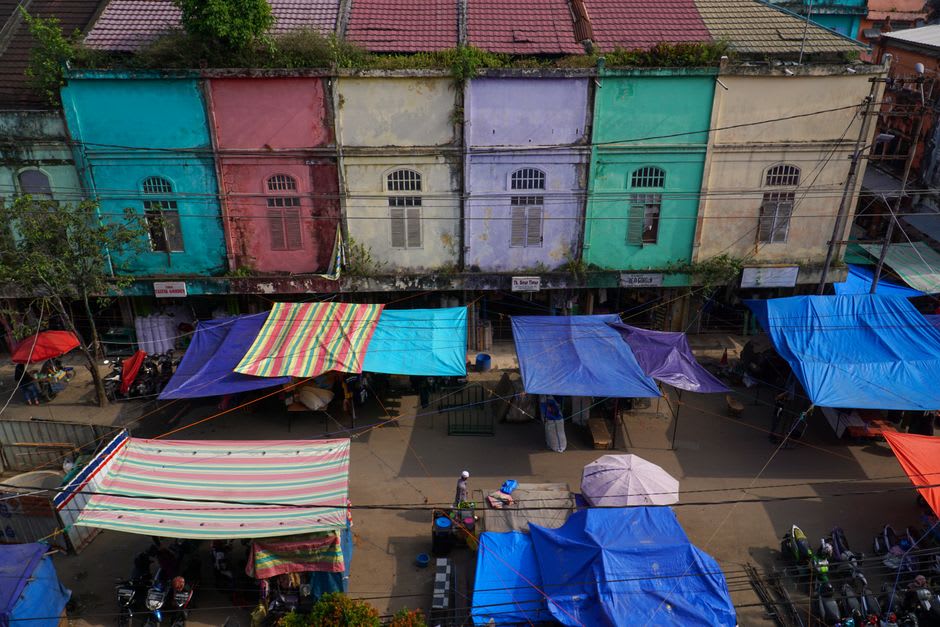
Jojutla is reachable from Cuernavaca by direct bus — Pullman de Morelos and several local omnibus lines run this route regularly, with journey times around one hour. From Mexico City, connect through Cuernavaca. There is no train and no tourist infrastructure to speak of. Bring cash, wear something lightweight, and do not arrive at midday in high summer unless you have already made peace with the heat.