Coatlán del Río
"It was thirty-four degrees and the water came out of the ground cold. That is the whole appeal, and it is enough."
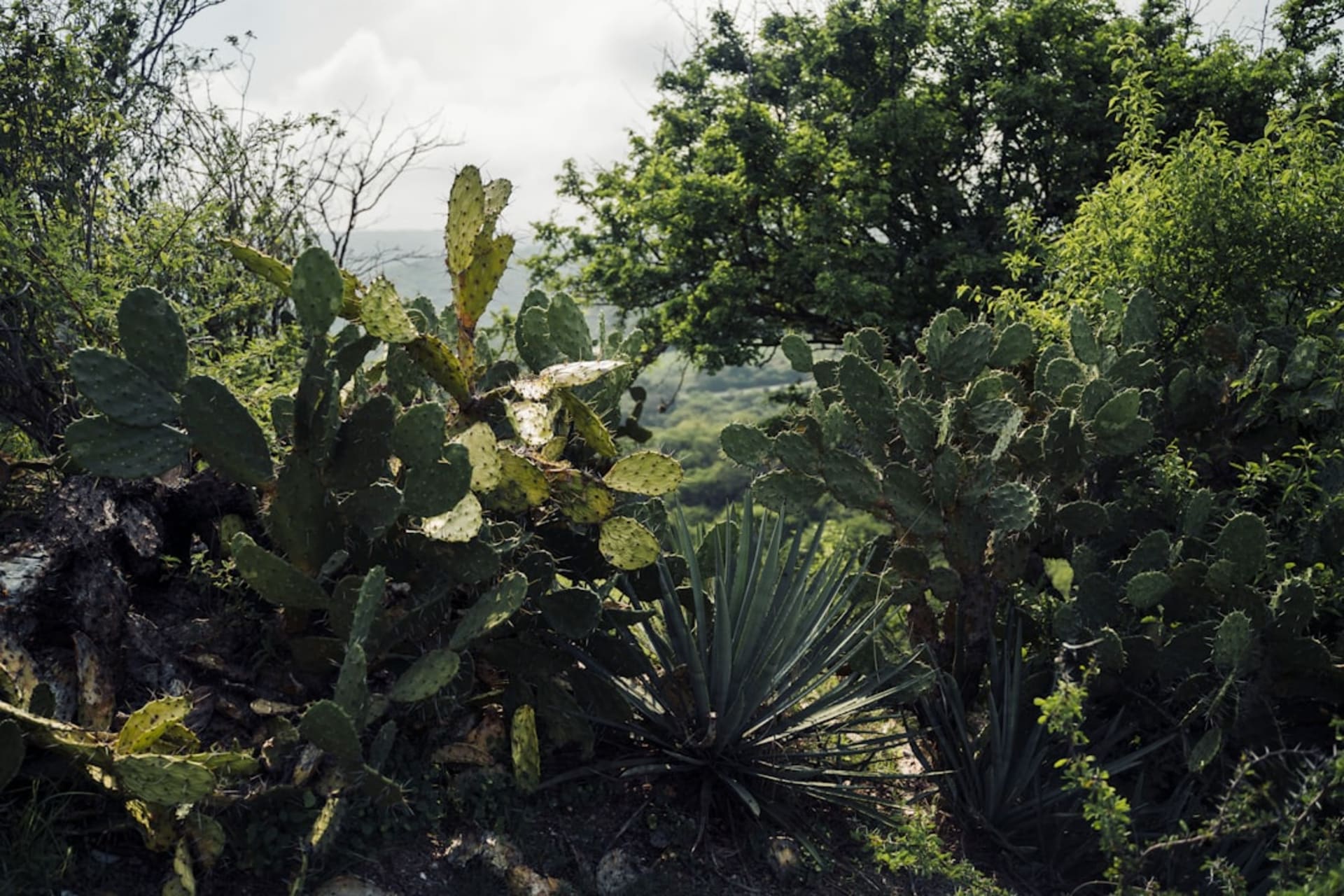
I came to Coatlán del Río to get in the water. It was the tail end of the dry season, the whole southwest of Morelos shimmering in the heat, and someone in Cuernavaca had told me that down in the river valley there were balnearios fed by springs that ran cold no matter how hot the day. That is a specific and powerful promise in this part of Mexico, and I drove down the winding road out of the highlands to test it. The valley opened up green and warm and slow, sugarcane on both sides, and I understood before I even found the water that I had dropped into the tropical lowland version of Morelos.
The Water
The balnearios are the reason people know Coatlán del Río. This is spring country — clear water rising cold out of the ground and channeled into pools and swimming holes shaded by big trees — and on a hot afternoon there is very little in the world better. I paid a small entrance fee at one of them, changed, and lowered myself into water that was genuinely, shockingly cold against the heat of the air, and then floated there feeling every degree of the difference.
Around me were families doing exactly the same thing: kids launching themselves off the edges, grandparents in the shallows, coolers and radios and the whole apparatus of a Mexican day at the water. These places are not built for tourists; they are built for the region, and being the only foreigner in a balneario full of local families on a Sunday is one of the more relaxed forms of being an outsider I know.
Cane, Fruit, and Heat
Out of the water, the valley is all agriculture and warmth. Sugarcane is the dominant crop — tall green walls of it along the roads, cut and hauled in season, the sweetness of it somewhere in the air — and around it grow the fruit trees that the lowland heat and the river together make possible: mango, and others heavy on the branch when the timing is right. The land here is generous in the uncomplicated way of warm river valleys everywhere.
I stopped at a roadside stand for mangoes and ate one leaning against the car, juice to the elbow, watching a truck stacked with cut cane grind past. There is nothing to do with a place like this except let it set your pace. The heat enforces a certain unhurriedness — you move slowly, you seek shade, you plan your day around the hottest hours — and after a while that rhythm stops feeling like a limitation and starts feeling like the point.
The Town’s Easy Pace
Coatlán del Río the town is small and easygoing, arranged around a plaza where the tempo is set by the temperature. In the mornings and evenings, when the heat relents, the streets fill a little — people out for the cool hours — and in the middle of the day the town more or less retreats into shade. The food is warm-country Morelos food, hearty and unfussy, and the comedores around the center will feed you well without ceremony.
What I like about the place is exactly its lack of ambition to be anything other than what it is: a green, hot, comfortable river town where the great local luxury is cold water on a hot day. I have been back more than once, always for the same reason, and it has never once disappointed the simple thing I ask of it.
Getting There
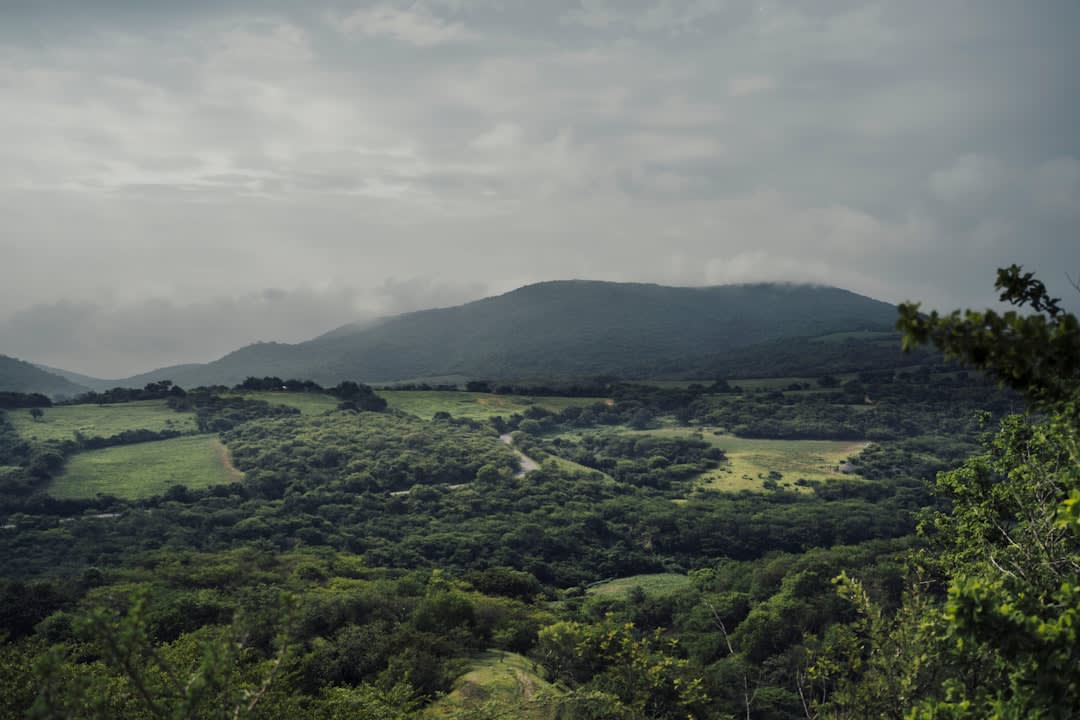
Coatlán del Río sits in the warm southwestern corner of Morelos, reached by car from Cuernavaca in around an hour along the winding road that drops from the highlands into the river valley. Buses run from Cuernavaca toward this corner of the state, though a car gives you the freedom to move between the balnearios, which are scattered around the valley rather than concentrated in the town.
Come prepared for real heat, especially from March into the early summer — sun protection, water, and swimming gear are the essentials. Weekends bring local families out to the balnearios, which is part of the pleasure but means the water parks are livelier; a weekday visit gives you the cold springs in near solitude. Either way, plan your day around shade and the water, and let the valley slow you down.