Amacuzac
"By noon the whole town has moved into the shade, and the only thing still working hard is the river."
The first time I came to Amacuzac I was really only passing through — driving south out of Cuernavaca toward the Guerrero coast, watching the thermometer climb every few kilometers as the road dropped out of the temperate highlands into the hot lowlands. I stopped because I was thirsty and because a hand-painted sign promised an balneario with spring water. I stayed the afternoon, then found a room and stayed the night. The heat here does something to your sense of urgency. It dissolves it.
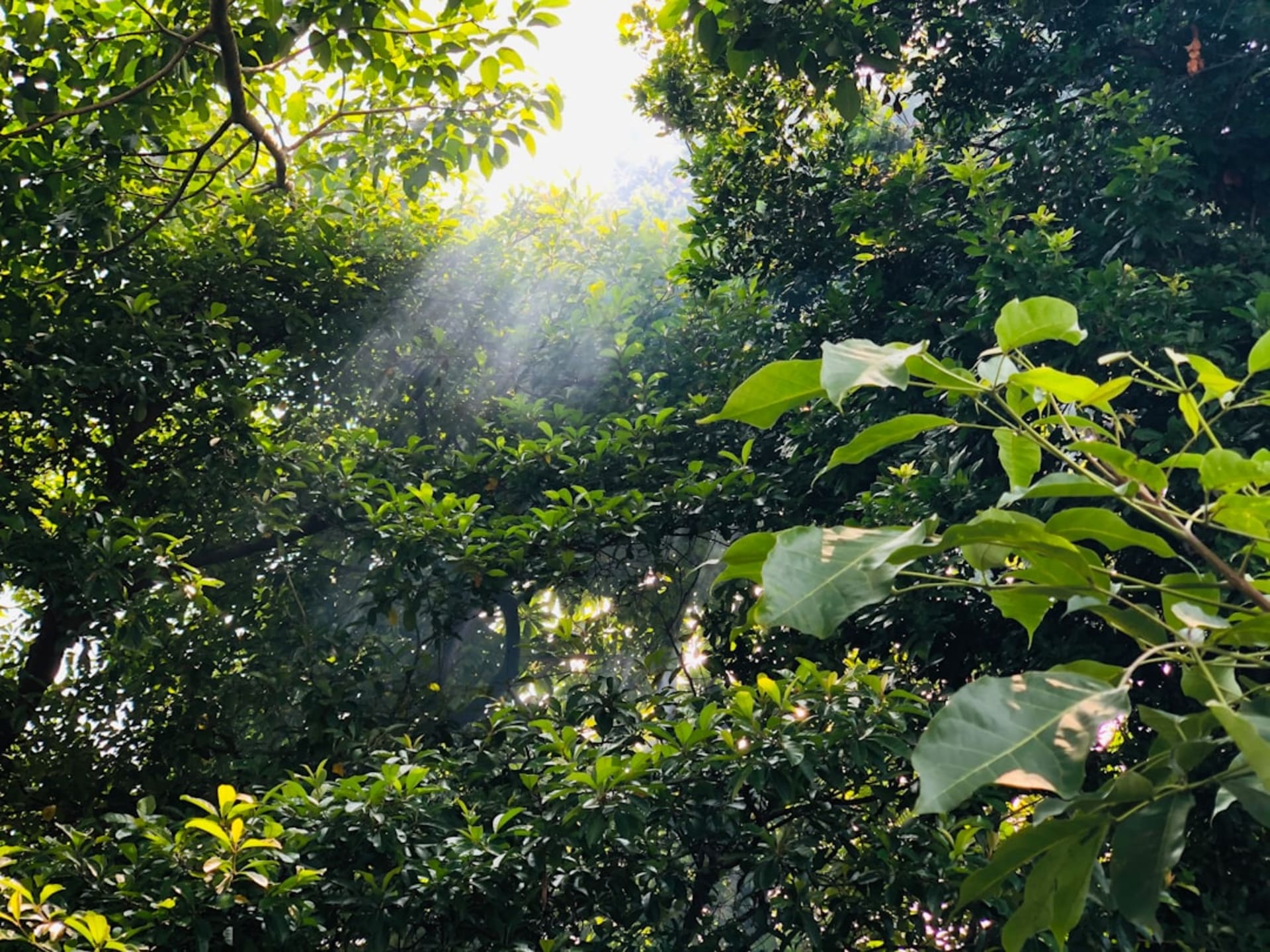
Amacuzac sits in that far southwestern corner of Morelos where the state runs out and Guerrero begins, in a broad green valley the Amacuzac river has been carving for a very long time. This is tierra caliente — hot country — and everything about the town is organized around that fact: the deep shade of the mango trees in the plaza, the shutters closed against the midday sun, the way life shifts to the early morning and the long slow evening.
The River and the Springs
The river gives the town its name and its reason for being. The Amacuzac runs clear and green through the lowlands, fed along its length by springs that push cool water up out of the limestone even in the hottest months. That combination — hot air, cold water — is the whole appeal.
Locals have their spots, and if you ask around you’ll be pointed toward one of the spring-fed swimming areas where the water stays cool and startlingly clear. Some are simple, just a bend in the river with a rope and a shade tree; others have been lightly built up into balnearios with concrete edges and a woman selling tostadas and cold aguas under a palm roof. I have no loyalty. On a day when the heat sits on you like a wet blanket, any of them is paradise.
Hot-Country Rhythm
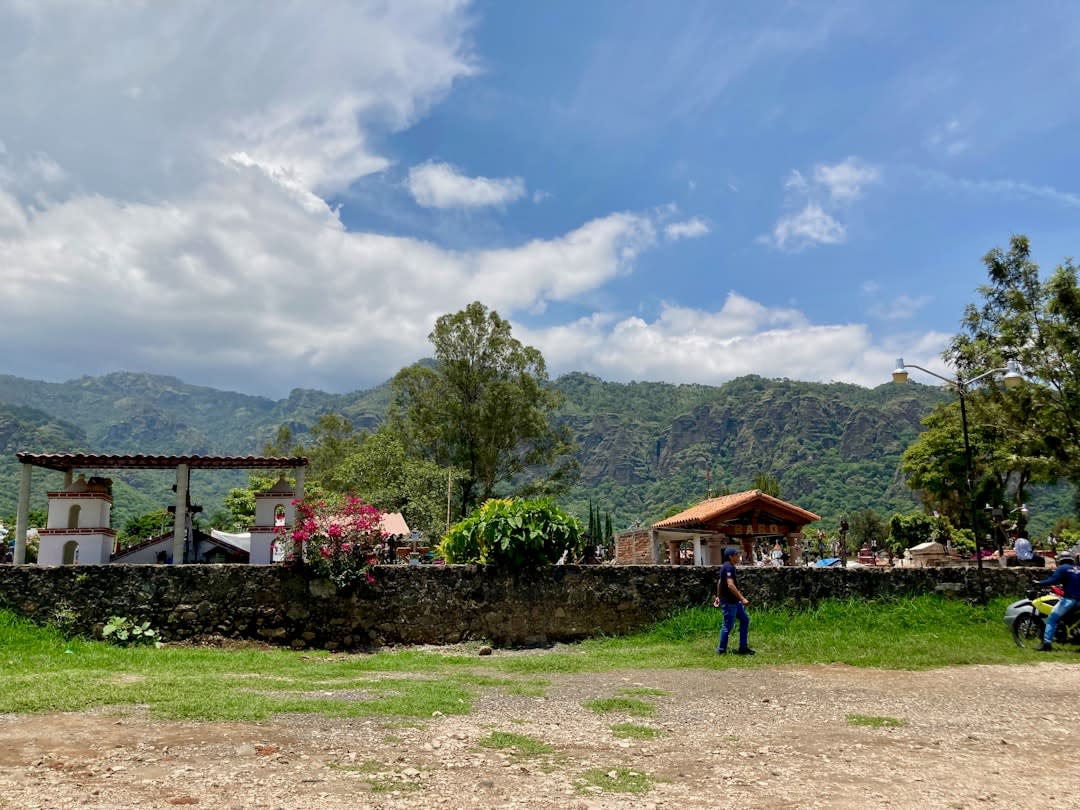
There isn’t a checklist here, and that’s the point. Amacuzac is a working agricultural town, green with sugarcane and fruit, and its rhythm belongs to the land and the heat rather than to visitors.
Mornings are the good hours — the light comes in low and gold, the birds are loud, and the market stalls are busy before the sun gets serious. I like to walk the streets then, before the town retreats indoors. By early afternoon the plaza empties and the whole place seems to hold its breath in the shade until the heat breaks. Then, around six, everyone comes back out: kids on bikes, families on the benches, the smell of something grilling. Sit long enough with a cold drink and someone will start talking to you. That’s how I’ve learned most of what I know about this valley — not from a guide, from a plastic chair.

Gateway to Warmer Ground
Amacuzac has always been a threshold. It sits right where Morelos hands off to Guerrero, on the old route down toward the coast, and there’s a frontier feeling to it — the last comfortable place before the road commits to the deeper heat and longer distances of the south.
I’ve come to value it precisely as a pause. On the way to the coast it’s the spot to shed the highland pace and let the tierra caliente recalibrate you. On the way back north it’s where you take one last cool swim before climbing into the mountains. The green lowland here, the fruit and the sugarcane and the wide slow river, feels like a country of its own, distinct from the postcard Morelos of Tepoztlán and the haciendas.
Getting There
Amacuzac is easy to reach from Cuernavaca — under an hour south by car on the highway toward Taxco and Iguala, dropping steadily into the warmer lowlands as you go. Colectivos and second-class buses run the route regularly from Cuernavaca’s terminals, and the town sits close enough to the main road that connections toward Guerrero are frequent. Come with light clothes and a swimsuit near the top of your bag; the heat announces itself the moment you step out, and the river is never far.