A furnace of a river city where French Sudan once had its capital, and where the heat teaches you humility fast.
I’d read the warnings before we even booked the bus from Bamako, but nothing quite prepares you for Kayes’ heat. We arrived in December, supposedly the “cool” season, and I still remember stepping off the bus at midday and feeling the air press against me like a hand. Lia laughed at how fast I retreated to the nearest patch of shade. Kayes is regularly cited as one of the hottest cities on the entire continent, and even in the mild months you feel why — the sun here doesn’t just shine, it works on you.
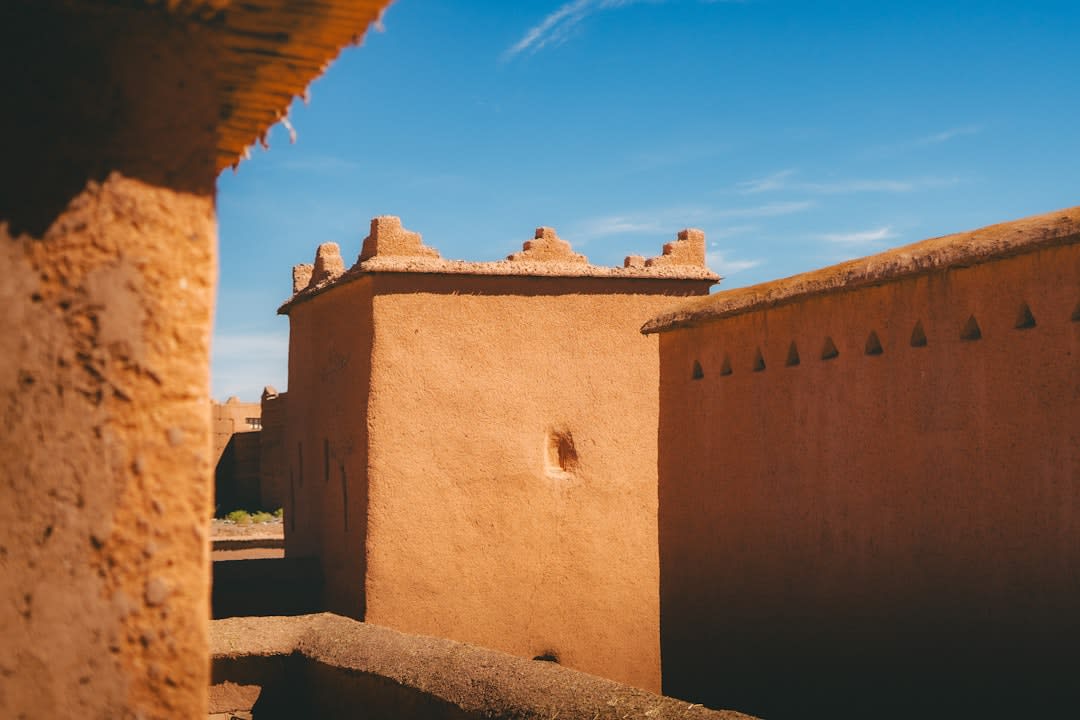
What struck me most, once we’d found a rooftop with decent shade and mint tea, was how much history sits quietly in a place most travelers skip entirely. Kayes was the capital of French Sudan from 1892 until 1899, before Bamako took over that role, and you can feel the ghost of that administrative weight in the old riverside buildings, half-crumbling, half-repurposed. We spent an afternoon at the Fort de Médine, a short trip along the Senegal River, and standing inside those thick colonial walls with the water moving slowly below, I felt none of the tourist-brochure romance — just a heavy, complicated silence that Lia and I didn’t talk much through.
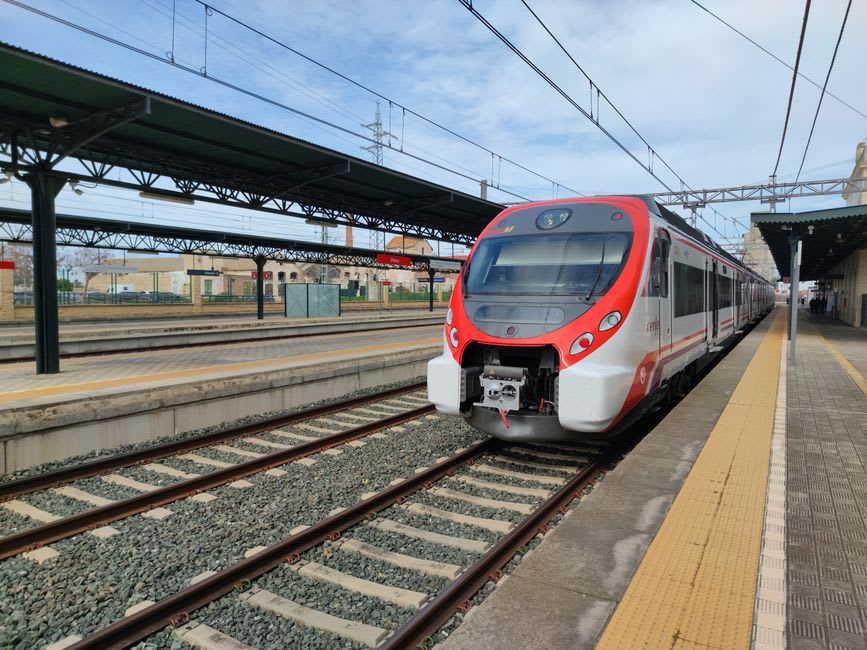
The rail line is what got under my skin the most, though. Kayes is still a junction point on the old Dakar-Niger railway, built in stages over decades in the early twentieth century, and one evening we walked down to the station just to watch a train being loaded. An old conductor, noticing my curiosity, told me in French about relatives who’d worked the line generations back — carrying goods, carrying people, carrying the whole colonial economy on iron rails through this brutal heat. I ate grilled fish by the tracks that night, sweat-soaked and strangely content, watching sparks from a welder’s torch on a stalled railcar.
By our third day we’d adjusted our whole rhythm to the sun — up before dawn, dead still by 1pm, back out after 5. Lia said Kayes felt like a place that demands you meet it on its own terms, and she wasn’t wrong. It’s not a comfortable city, but it’s an honest one.
When to go: Aim for November through February, when temperatures ease off just enough to actually walk around at midday — outside that window, Kayes’ heat is not something to underestimate.
Keep exploring
More from Mali
 mali
mali Mopti
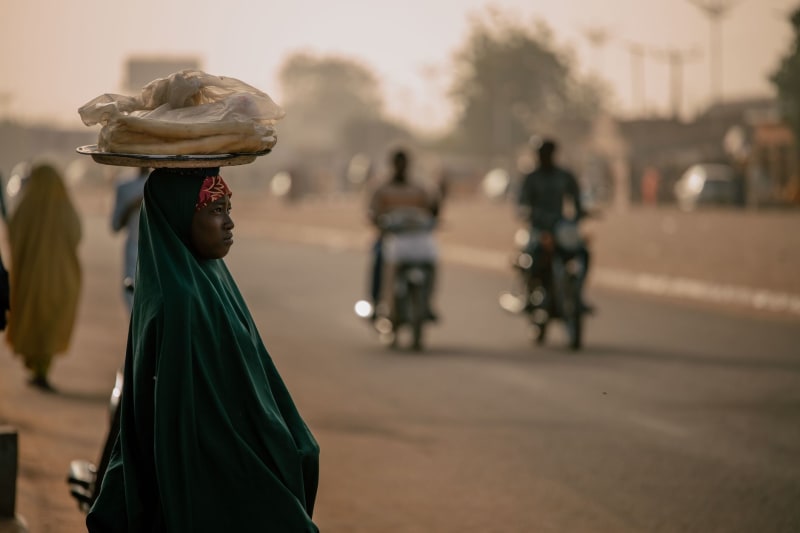
Where the Niger meets the Bani and the whole Inland Delta converges in a port that smells of dried fish and moves to its own river logic.
Explore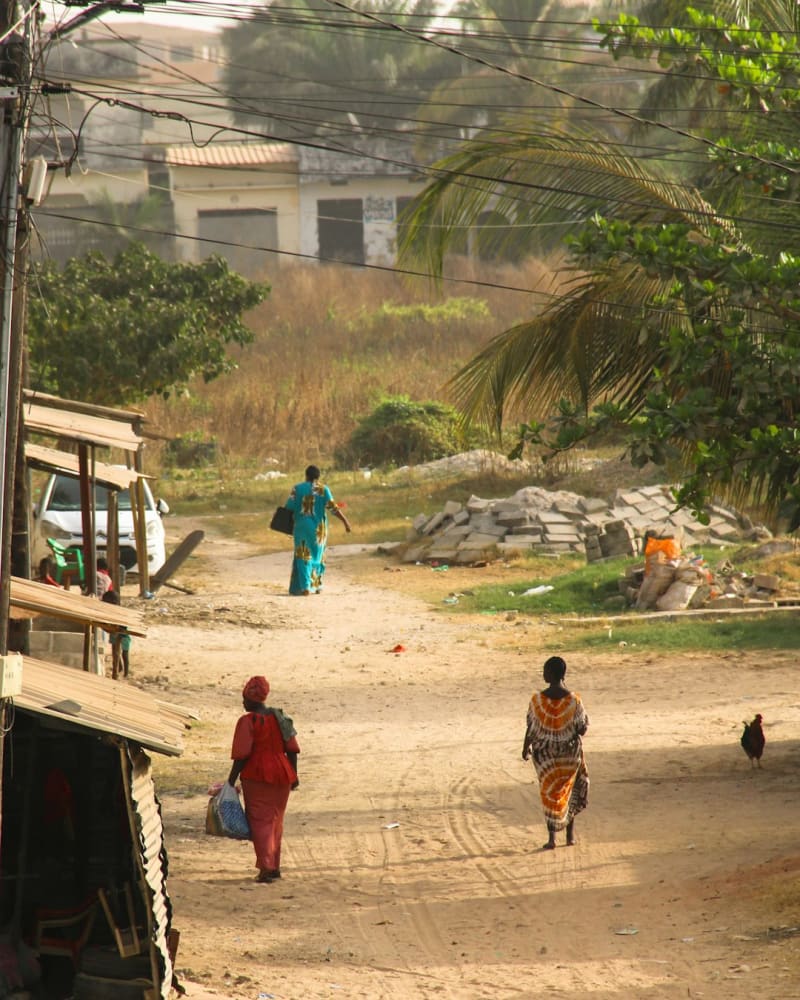 mali
mali Niafunké
A dusty river town on the Niger where Ali Farka Touré's desert blues still seems to hum in the walls and the water.
Explore mali
mali Ségou
A former empire capital on the Niger where indigo-stained hands still work the cloth and the river festival fills the water with color each February.
Explore mali
mali Siby
A Mandé village sixty kilometers from Bamako where a natural stone arch frames the valley and the hills hold the memory of an empire's founding.
Explore mali
mali Sikasso
Mali's green southern capital, where the ruined earthen ramparts of a 19th-century kingdom encircle a hill swallowed by mango trees.
Explore mali
mali Timbuktu
The city that became a myth before the world stopped visiting — manuscripts, mosques, and sand advancing on three sides.
Explore