
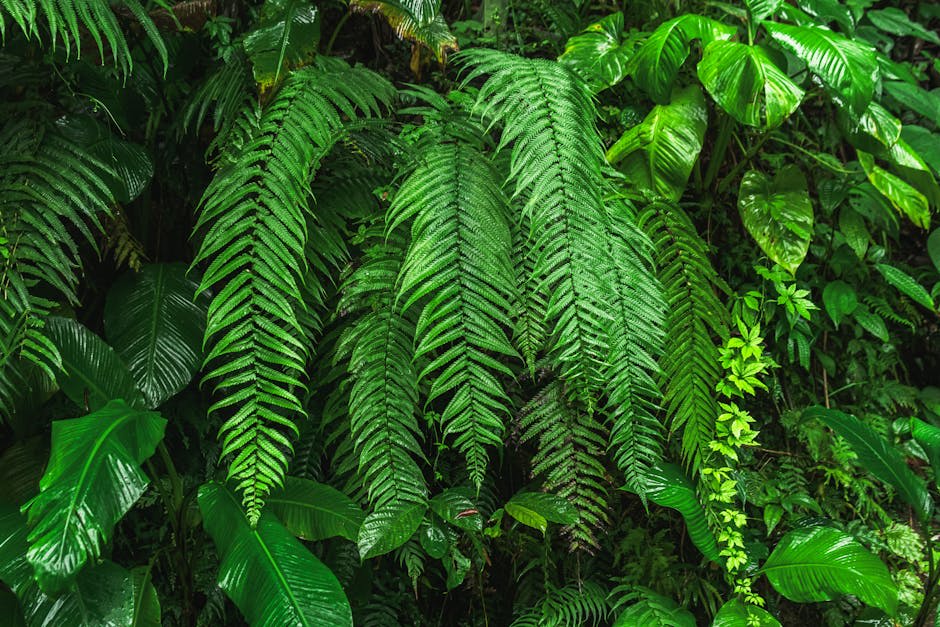
Taman Negara is 130 million years old — older than the Amazon, older than the Congo, old enough that its trees were ancient when dinosaurs walked beneath them. I had read that fact before arriving and thought I understood it. I did not. Understanding comes when you stand beneath the canopy and feel the weight of time pressing down through every layer of green — the emergent trees reaching for light fifty metres above, the understorey thick with palms and ferns, the forest floor dark and damp and crawling with things that have been doing exactly this for longer than our species has existed.
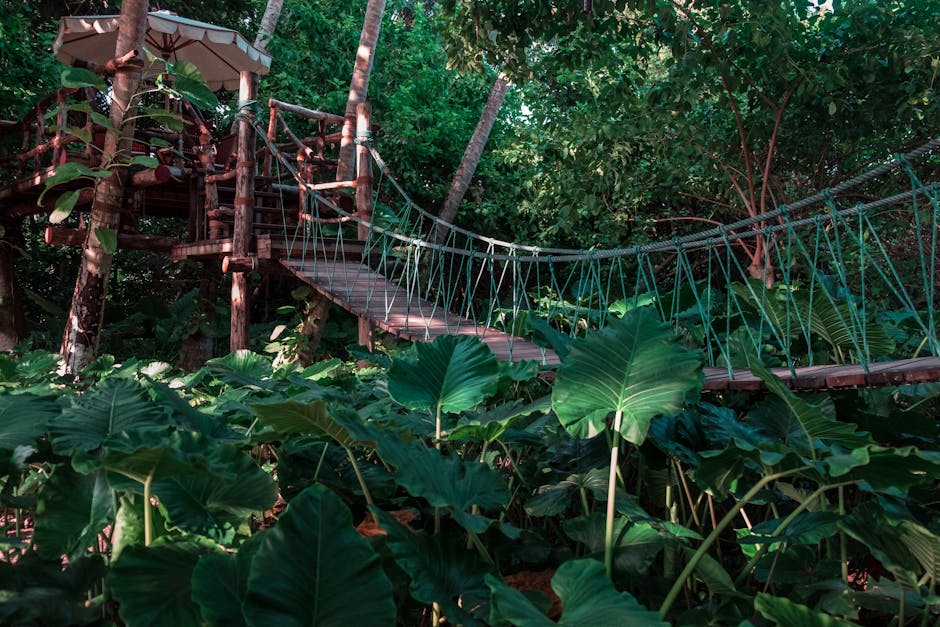
The canopy walkway is the park’s signature experience, and it earns the reputation. Suspended 40 metres above the forest floor on cables strung between giant tualang trees, the walkway sways gently as you cross — a sensation that is thrilling at first and meditative by the third span. Looking down, the forest operates without any input from you: ants carry leaf fragments along branch highways, squirrels leap between trees with trajectories that seem to violate physics, and somewhere below, something large moves through the undergrowth with the confidence of ownership. Looking up, the canopy closes overhead like a green cathedral ceiling, the light filtering through in shifting patterns that painters spend lifetimes trying to capture.
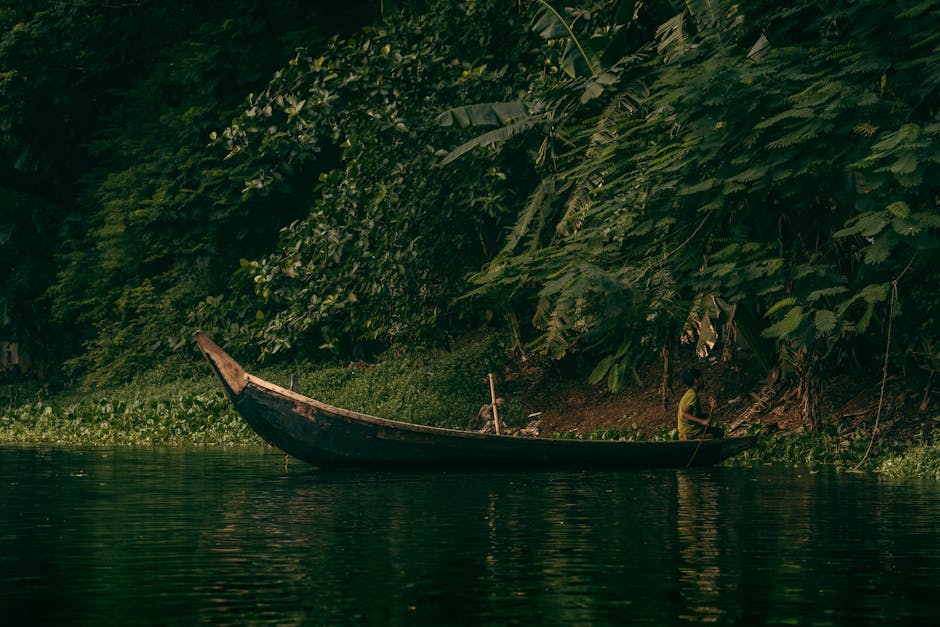
We took a longboat up the Tembeling River to reach the park, passing Orang Asli villages and limestone cliffs draped in ferns. The three-hour journey from Kuala Tahan is part of the experience — the river narrows as you travel upstream, the jungle closes in on both banks, and the engine noise fades into the background until the only things you hear are water and birds and the occasional splash of something entering the river ahead of the boat. The Orang Asli — the indigenous peoples of Peninsular Malaysia — have lived in and around this forest for thousands of years, and the villages along the riverbank exist in a relationship with the jungle that makes our concept of “visiting nature” feel embarrassingly recent.
Night walks revealed a different forest entirely. Our guide carried a torch that picked out the eyes of spiders reflecting like scattered diamonds across the forest floor — hundreds of them, an entire plane of light at ankle height that was invisible by day. We saw a slow loris — huge eyes, deliberate movements, the kind of animal that makes you hold your breath involuntarily. A Malayan giant frog sat on a rock beside the trail, so large and so still that I mistook it for a stone until our guide pointed out its eyes blinking. The night jungle operates on different rules — different species, different sounds, different rhythms — and walking through it with nothing but a torch and a guide who knows what he is looking for feels like being admitted to a version of the world that normally operates behind closed doors.
We fished for kelah in the rapids — the mahseer of Southeast Asia, a river fish prized by anglers and protected within the park. We did not catch one. We did not mind. The rapids themselves were reason enough: clear water rushing over smooth stones, the jungle towering on both banks, and the quiet company of a guide who had been fishing these rivers since boyhood and who treated the forest with the unsentimental respect of someone who knows it well enough to know it does not need his admiration.
One night we stayed at a jungle hide — a wooden platform elevated above a salt lick, where animals come at night to lick mineral deposits from the earth. We waited in darkness for two hours, the sounds of the forest building around us, before a sambar deer appeared, then another, their forms materializing from the black like a developing photograph. The tapir that appeared at midnight — squat, prehistoric, absurdly endearing with its truncated trunk — was worth every mosquito bite.
When to go: February to September is drier and best for trekking. The river journey is most scenic from March to August when water levels are optimal. Leeches are year-round — embrace them as part of the experience, and wear long socks tucked into your trousers.